

So, you're thinking about upgrading your car's wheels, maybe adding some spacers, or just want a bit more security when you're putting things back together. You've probably heard about wheel studs, and maybe you're wondering if they're really worth the fuss over the standard lug bolts most cars come with. It's not just about looks, though that can be a part of it. We're going to break down why swapping to wheel studs could be a smart move for your ride, making things safer and a whole lot easier when it's time to swap out a tire or just give your wheels a clean.
Key Takeaways
- Wheel studs replace lug bolts and help keep your wheels securely attached, reducing the risk of them coming loose, especially after multiple wheel changes.
- Installing wheels is generally easier with studs because the wheel can rest on the studs while you thread on the lug nuts, unlike lug bolts which need to be aligned.
- Using wheel studs makes it simpler to fit aftermarket wheels and wheel spacers, as they often require longer hardware than standard lug bolts.
- Stud conversion kits are available for many cars, especially European models that typically use lug bolts, and they convert the fastening system to use studs and nuts.
- High-strength materials like titanium can be used for wheel studs, offering benefits like lighter weight, increased strength, and better resistance to heat and corrosion, while also looking pretty sharp.
Why Bother With Wheel Studs? They're Not Just For Show!
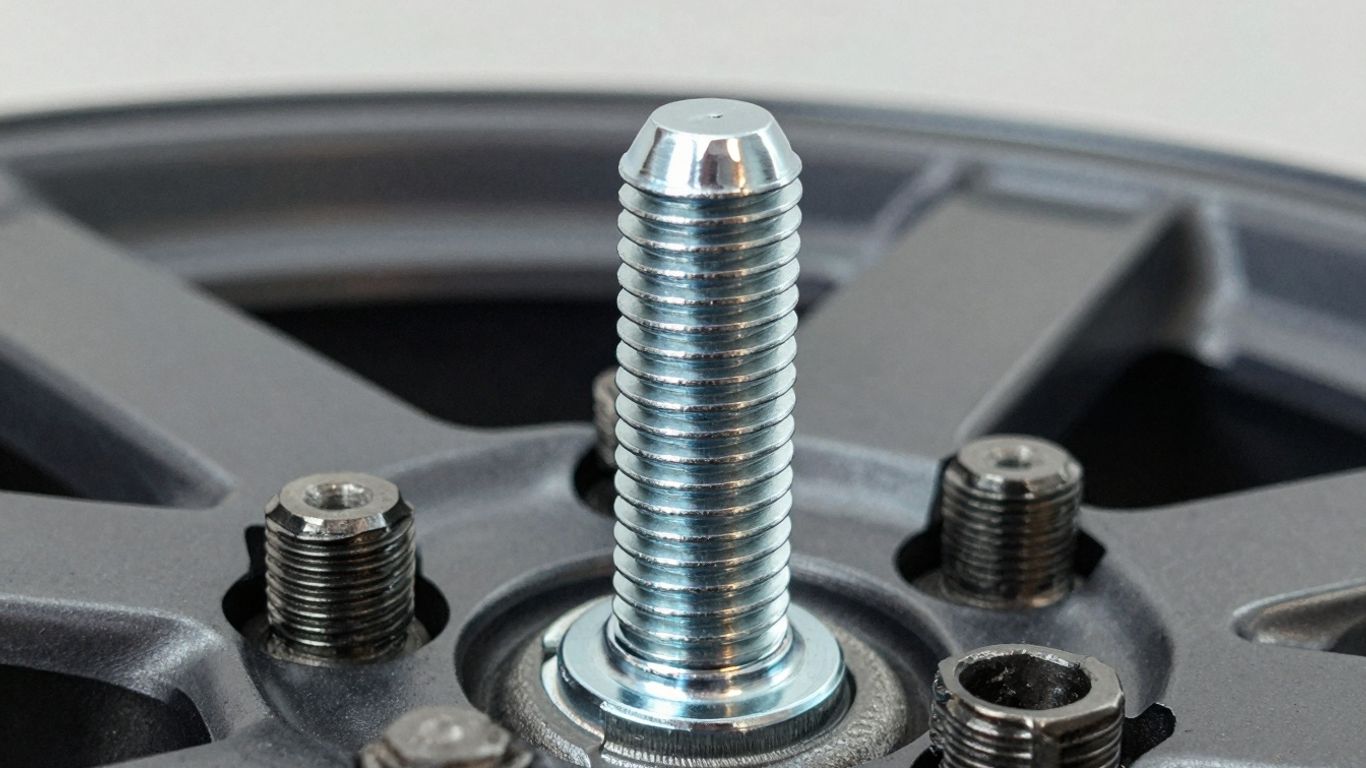
Okay, let's talk about wheel studs. You might be thinking, "Are these just some fancy bits for ricers to show off?" Nope. While they can look pretty slick, especially the fancy titanium ones, their main job isn't to win any beauty contests. They're actually a pretty big deal when it comes to keeping your wheels attached to your car, which, you know, is kind of important.
Say Goodbye To Wobbly Wheels
Ever felt that little shimmy in your steering wheel that just doesn't feel right? Sometimes, that's your lug bolts giving you a subtle (or not-so-subtle) hint that they're not happy. Lug bolts, the kind most cars come with from the factory, screw directly into your hub. Every time you take a wheel off and put it back on, you're threading and unthreading those bolts. Over time, or if you've ever had to really crank on them, the threads in the hub can get a bit… stressed. This can lead to uneven seating of the wheel, and bam! Wobbly wheels. Wheel studs, on the other hand, are permanently threaded into the hub. Your wheel then slides onto the stud, and a lug nut holds it in place. This setup is generally more robust and less prone to the kind of wear that causes wobbles. It's a simple change that can make a big difference in how your car feels on the road.
The 'Hold My Beer' Wheel Installation Method
We've all been there, right? Trying to line up a wheel with the bolt holes while simultaneously holding the wheel up and fumbling with lug bolts. It's a wrestling match, especially if you're doing it alone. You end up doing that awkward dance, trying to get one bolt started, then another, all while the wheel is trying to escape. Wheel studs change this game entirely. Once the studs are in, the wheel just slides right on. Then you just thread on the lug nuts. It's way easier to align, and honestly, it makes the whole process less of a headache. You can even get a better grip on the wheel without it trying to fall off. It’s less about needing a buddy to hold things and more about just getting the job done smoothly.
When Your Lug Bolts Just Can't Hack It Anymore
Factory lug bolts are fine for daily driving and the occasional tire rotation. But if you're adding aftermarket wheels, especially wider ones, or using wheel spacers, those stock bolts might not be long enough. You need enough thread engagement for safety. Trying to make do with bolts that are too short is a recipe for disaster. Wheel studs, especially when paired with the right lug nuts, offer more flexibility. They often come in various lengths and can accommodate spacers more easily than trying to find the perfect extended lug bolt. Think of it like this: lug bolts are like regular shoes, fine for walking around. Wheel studs are more like specialized climbing shoes – they give you a better, more secure connection when you need it most, like during spirited driving or when you're pushing your car's setup a bit further. For serious performance applications, you might even look into axle spikes for added security, though that's a whole other level of modification.
The Glorious Benefits Of Swapping To Wheel Studs
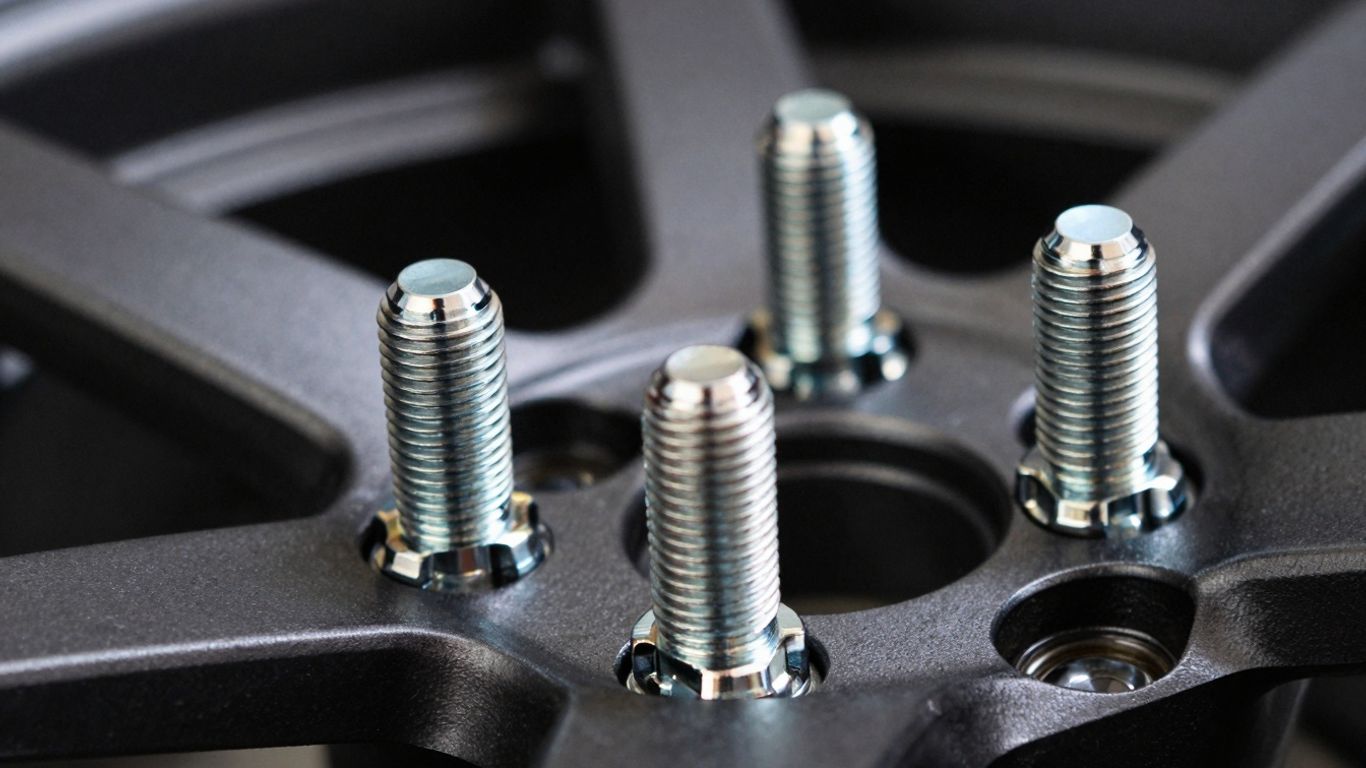
Okay, so you're thinking about ditching those factory lug bolts for some fancy wheel studs. Smart move, my friend. It's not just about looking cool (though, let's be honest, that's a perk). Swapping to studs brings some serious advantages to the table, making your life easier and your car a whole lot safer. Think of it as upgrading from dial-up internet to fiber optic – a massive leap forward.
Safety First, Then Maybe That Second Taco
Let's get the most important thing out of the way: safety. When your wheels are attached with studs, they're generally more secure. Factory lug bolts can sometimes get a bit wonky if you're constantly taking your wheels on and off, especially if you're not super careful with alignment. This can lead to threads getting stripped or bolts getting damaged, which is a recipe for disaster. Wheel studs, on the other hand, are threaded directly into your hub and stay put. This means you're less likely to have issues with improper torque or loose wheels, which, trust me, you really don't want happening when you're cruising down the highway. A properly installed wheel stud and nut combo is a much more robust connection.
Wheel Changes: From 'Ugh' To 'Aha!'
Remember the last time you had to swap a tire or put on those sweet new rims? If you used lug bolts, you probably recall the awkward dance of trying to hold the wheel in place while fumbling with the bolts. It's like trying to thread a needle while riding a unicycle. With wheel studs, that whole ordeal becomes way simpler. The studs stick out, giving you something to easily line up the wheel onto. You just slide the wheel onto the studs, and then thread on the lug nuts. It's a small change, but it makes a big difference, especially if you're doing this more than once a year. It turns a frustrating job into something that's actually manageable, maybe even... dare I say it... easy?
Making Friends With Aftermarket Wheels And Spacers
Got a hankering for some wider wheels or maybe a set of spacers to get that perfect stance? Lug bolts can be a real pain in this department. Often, you'll need special extended bolts to make sure you have enough thread engagement with the hub. Wheel studs simplify this whole process. Because they typically come in longer lengths and you're using lug nuts, you have more flexibility. You can often use the same studs with different wheel thicknesses or spacers without needing to buy a whole new set of bolts. It's like having a universal adapter for your wheel setup, making it way easier to mix and match parts without stressing about compatibility.
The real beauty of wheel studs is how they simplify the entire wheel mounting process. No more wrestling with wheels trying to line up bolt holes. Just slide it on and tighten.
| Benefit Category | Specific Advantage |
|---|---|
| Safety | More secure wheel attachment, reduced risk of loose wheels. |
| Installation Ease | Simplified wheel mounting, less fumbling with bolts. |
| Customization | Better compatibility with aftermarket wheels and spacers. |
Are Wheel Studs The Right Choice For Your Ride?
So, you're thinking about ditching those factory lug bolts for some fancy wheel studs. Smart move, maybe. But before you go all-in and start dreaming of perfectly aligned wheels every single time, let's figure out if this upgrade actually makes sense for your car. It's not like slapping on a spoiler; this is about how your wheels actually attach to the car, so we gotta get it right.
Decoding Your Car's Lug Pattern Like A Pro
First things first, you need to know what you're working with. Your car's lug pattern, often called the bolt pattern, is basically the blueprint for how your wheels bolt on. It's usually written as a number followed by an 'x' and then another number, like 5x114.3. The first number is how many lug holes you have, and the second is the diameter of the circle those holes make. Why does this matter? Because wheel studs and lug nuts have to match this pattern. You can't just grab any old studs; they need to fit your car's hub. Most common patterns are 4x100, 5x100, 5x114.3, and 5x120, but there are tons of variations out there. A quick Google search for '[Your Car Make Model Year] bolt pattern' should tell you everything you need to know. Don't guess on this; it's like trying to put a square peg in a round hole, except, you know, with your wheels.
Finding The Perfect Wheel Studs For Your Four-Wheeled Friend
Once you know your lug pattern, you can start looking for studs. The main things to consider are the thread pitch (the size and spacing of the threads on the stud and the lug nut) and the length. You'll usually find this info in your car's manual or on forums dedicated to your specific vehicle. If you're planning on running spacers, you'll definitely need longer studs. Think of it this way: the stud needs to go through the wheel, the spacer (if you have one), and still have enough thread engagement with the hub. Too short, and you won't get enough grip, which is a big no-no. Too long, and you might have issues with the lug nut bottoming out or hitting something it shouldn't. It's a bit of a balancing act.
Here's a quick rundown of what to look for:
- Thread Pitch: This has to match your car's hub threads and your chosen lug nuts. Common ones are M12x1.5 and M14x1.5.
- Stud Length: Measure how much thread engagement you have with your current setup and add the thickness of any spacers you plan to use. Add a little extra for safety.
- Material: Most studs are made of steel, which is strong and affordable. For the truly baller, there's titanium, which is lighter and super strong, but also way more expensive. We'll get to that later.
Remember, the goal is to have the stud securely threaded into the hub and the lug nut properly seated on the stud. It's not rocket science, but it does require a bit of attention to detail. Getting this wrong could lead to a wobbly wheel, or worse.
From Beemers To Supras: We've Got Your Studs Covered
No matter what you drive, there's probably a wheel stud kit out there for you. European cars like BMWs and Audis often come with lug bolts from the factory, making them prime candidates for a stud conversion. Japanese performance cars, like the Supra, or even older classics, can also benefit. The key is finding a kit that's designed for your specific vehicle's hub and lug pattern. Some kits are universal, but it's always best to go with something vehicle-specific if you can. This ensures the best fit and the highest level of safety. So, whether you're cruising in a luxury sedan or tearing up the track in a sports car, there's a stud upgrade waiting to make your wheel changes a little less of a headache and a lot more secure.
The Nitty-Gritty Of Stud Conversion Kits
So, you're thinking about ditching those pesky lug bolts for the glory of wheel studs. Smart move. But what exactly are you getting into with a stud conversion kit? Let's break it down, no fancy car talk required.
What Exactly Is A Stud Conversion Kit, Anyway?
Basically, a stud conversion kit swaps out your car's factory lug bolts for a set of studs that are permanently threaded into your wheel hub. Think of it like this: instead of a bolt going through the wheel and into the hub, you have a stud sticking out of the hub. Then, you use a lug nut to thread onto that stud and hold the wheel in place. It’s a simple change that makes a surprisingly big difference. Most European cars, like BMWs and Audis, roll off the assembly line with lug bolts. While they work fine, they can be a bit fiddly, especially when you're trying to line up a heavy wheel while also juggling a bolt. Studs make this whole process way smoother.
Are These Studs Safe? Let's Not Lose A Wheel Over It
This is the big question, right? Nobody wants their wheel deciding to go on a solo adventure. The good news is, when done correctly, stud conversions are super safe. In fact, many people find them safer because the stud is permanently fixed to the hub. This means you're less likely to mess up the threading in the hub, which can happen with lug bolts if you're not careful. Plus, the studs themselves are usually made from strong stuff, like forged steel or even titanium, designed to handle way more abuse than your average bolt.
Here’s a quick rundown of why they’re considered safe:
- Fixed Installation: The stud stays put in the hub, reducing the chance of cross-threading or damaging the hub threads.
- Strong Materials: Kits often use high-strength steel or titanium alloys that are built to last.
- Proper Torque: You still use a torque wrench on the lug nuts, just like you would with bolts, to ensure everything is snug.
The main thing to remember is that the stud itself is only half the equation. You still need to torque your lug nuts correctly. Don't get lazy with the torque wrench just because the stud is already in the hub. That's how you end up with a story nobody wants to hear.
The Magic Of Threaded Ends And Lug Nuts
So, what's the actual deal with these threaded ends and lug nuts? The studs have threads on both ends. One end screws into your hub (usually with a special tool or Allen key, and often with some thread locker for good measure). The other end sticks out, ready for a lug nut. This setup is great because:
- Wheel Alignment: It’s way easier to just slide the wheel onto the studs than trying to hold it up and line up bolt holes.
- Aftermarket Wheels & Spacers: If you're running spacers or aftermarket wheels with different depths, studs give you more flexibility. You can often use longer lug nuts to get the right amount of thread engagement without needing special extended bolts.
- Aesthetics: Let's be honest, they look pretty cool too. Those exposed studs can give your car a sportier, more aggressive vibe.
| Stud Type | Material Example | Common Use Case |
|---|---|---|
| Standard | Forged Steel | Daily drivers, track cars |
| Performance | Titanium Alloy | High-performance street, track |
Choosing the right kit depends on your car and what you plan to do with it. But generally, going from bolts to studs is a solid upgrade for ease of use and peace of mind.
Level Up Your Wheel Game With These Fancy Studs
Titanium: Because Regular Steel Is So Last Century
Look, we all love a good deal, but sometimes, you just gotta treat your ride. If you're tired of the same old, same old, and want something that screams 'I've got my life together' (even if you don't), then titanium wheel studs are where it's at. These aren't your grandpa's lug bolts. We're talking about aerospace-grade bling for your wheels. They're super light, which, okay, might not make a huge difference in your 0-60 time, but it sounds cool, right? Plus, they look pretty darn sharp.
Strength That Could Crush A Walnut (Or A Track Day)
Don't let the fancy material fool you; titanium studs are no joke when it comes to strength. They're built to handle some serious abuse, whether you're carving corners on a track day or just dealing with the daily grind. They've got this amazing resistance to stretching and breaking, even when things get hot. Think of them as the tiny, but mighty, superheroes holding your wheels on.
Here's a little peek at what makes them tough:
- Tensile Strength: We're talking over 1,080 MPa. That's a lot of force before they even think about giving up.
- Ultimate Tensile Load: Over 138,800 Newtons. That's like trying to pull apart a really, really stubborn piece of gum.
- Corrosion Resistance: They form a natural protective layer, so rust is basically a non-issue. Your studs will look good for ages.
Looking Good While Staying Safe: The Shiny Stud Effect
Let's be honest, a big part of upgrading is making your car look cooler. Shiny titanium studs definitely tick that box. They have this awesome polished finish that catches the light, making your wheels pop. It's a subtle detail, but it makes a difference. You get that extra bit of visual flair, and hey, if looking good means you're more likely to double-check your torque, then it's a win-win.
Upgrading to fancy studs isn't just about bragging rights; it's about adding a layer of reliability and style that factory parts just can't match. Plus, they make changing wheels a breeze, which is always a bonus when you're covered in brake dust.
Want your wheels to look their best? Keeping your wheel studs clean is a simple way to make a big difference. A clean stud means a better fit and a sharper look for your ride. Ready to give your wheels the shine they deserve? Visit our website today to find the best tools for the job!
So, Are They Worth It?
Look, nobody wants their wheel to decide it's had enough and go on a solo road trip. If you're the type who's always fiddling with your wheels, swapping them out, or just generally being a bit of a gearhead, then yeah, upgrading to aftermarket studs is probably a good idea. It makes life easier, and hey, it might just keep your car from looking like a tricycle on the highway. If you're just driving to the grocery store and back, maybe stick with what you've got. But for everyone else who likes their wheels to stay put, consider it. Your lug nuts will thank you, and so will your chiropractor.
Frequently Asked Questions
Why should I consider upgrading my car's wheel studs?
Upgrading to wheel studs can make changing your tires a lot easier because the studs stay in the car's hub. This means you don't have to hold the wheel in place while trying to screw in lug bolts. Plus, they help make sure your wheels are securely attached, which is super important for safety, especially if you take your wheels off often.
Are wheel studs safer than regular lug bolts?
Yes, wheel studs can be safer. Lug bolts can get damaged or stripped if you take your wheels off a lot. Since studs are fixed in the hub, they help prevent issues with the threads that could lead to a wheel not being tightened properly. This reduces the risk of your wheel coming loose.
Can wheel studs help with aftermarket wheels or spacers?
Definitely! Wheel studs are great when you want to use special aftermarket wheels or add wheel spacers. Regular lug bolts might not be long enough or the right type for these additions. Studs make it much simpler to fit these parts correctly and safely onto your car.
What is a stud conversion kit?
A stud conversion kit basically changes how your wheels attach. Instead of using lug bolts that screw directly into your car's hub, you use studs that stick out. Then, you use lug nuts to hold the wheel onto these studs. It's a neat trick that makes installing wheels easier and can give your car a cool, sporty look.
Are stud conversion kits safe to use?
When installed correctly and made from good materials, stud conversion kits are safe. They are designed to be strong and reliable. It's important to get kits that meet safety standards and to make sure they are the right fit for your car. Using them properly helps keep your wheels securely attached.
What are titanium wheel studs?
Titanium wheel studs are a high-end option made from strong, lightweight titanium. They are super tough and can handle high temperatures without losing their strength, making them great for performance driving. They also look really cool and shiny, adding a special touch to your car's appearance while keeping things safe.


