

So, you've been out shooting, and now it's time to clean up. But what's the best way to get that barrel looking good again? We're going to break down two popular methods: the chemical approach with Stud Kleen and the old-school wire brush. Think of it like a boxing match for your gun's insides. We'll go round by round to see which one comes out on top.
Key Takeaways
- When it comes to cleaning your barrel, Stud Kleen is often seen as a gentler, yet effective, option compared to aggressive wire brushing.
- Wire brushes, especially steel ones, can potentially damage the rifling in your barrel, which is a big concern for accuracy.
- Bronze brushes are a bit safer than steel but can still be rough on barrels if used too aggressively.
- The idea of 'clean enough' is subjective and depends on your shooting goals; sometimes, less cleaning means more shooting time.
- For most situations, a good chemical cleaner like Stud Kleen, used with proper technique, is a safer bet for maintaining your barrel's integrity and performance.
The Great Barrel Debate: Stud Kleen vs. The Bristly Menace
Round 1: The Initial Assault - What's Your Weapon?
Alright, let's talk about getting that barrel spick-and-span. You've just finished a session, and now it's time for the post-game cleanup. Two main contenders usually step into the ring: the fancy chemical concoctions like Stud Kleen, and the old-school, no-nonsense wire brush. It's like choosing between a spa day for your rifle or a wrestling match with a badger. Both have their fans, and both can get the job done, but they go about it in wildly different ways. The real question is, which one is right for your barrel and your sanity?
Round 2: The Carbon Ring Conundrum
Ah, the carbon ring. That stubborn buildup right where the case neck meets the rifling. It's the bane of many a shooter's existence, and it can sneak up on you. Some folks swear by letting a good solvent like Bore Tech C4 soak overnight, treating it like a fancy overnight facial for your bore. Others grab their trusty wire brush, ready to scrub away the offending gunk. But here's the rub: aggressive scrubbing, especially with steel brushes, can sometimes do more harm than good, potentially damaging your precious rifling. It's a delicate balance between brute force and chemical persuasion.
Round 3: The 'Is It Clean Yet?' Existential Crisis
This is where things get philosophical. How clean is clean enough? Some people are happy when the patches come out mostly clean, while others need that mirror finish, obsessing over every last speck of carbon or copper. It's a spectrum, really. You might be shooting a rifle that's perfectly accurate with 95% of the fouling gone, but your inner neat freak demands that last 5%. It's a personal battle, and sometimes, you just have to decide if you want to spend more time cleaning or more time shooting. Remember, a little bit of wear and tear is normal, and worrying too much about every tiny imperfection could lead to unnecessary barrel damage.
Here's a quick look at the general approaches:
- Chemical Cleaners (like Stud Kleen):
- Soak and wipe.
- Generally gentler on the barrel.
- Can require more time (soaking).
- Wire Brushes:
- Scrub and wipe.
- Can be effective for tough buildup.
- Risk of damaging rifling if used improperly or if too aggressive.
The goal is a functional barrel, not necessarily a museum piece. Over-cleaning or using the wrong tools can introduce problems that weren't there to begin with. Finding that sweet spot between clean and excessively scrubbed is key.
Stud Kleen: The Gentle Giant of Gun Cleaning
A Fan-Boy's Ode to Bore Tech C4
Alright, let's talk about Stud Kleen, or more specifically, Bore Tech C4, because that's the real magic potion in this scenario. Forget those harsh chemicals that make you feel like you're performing a science experiment gone wrong. This stuff is like a spa day for your barrel. You know how some people just love to scrub and scrub, convinced that more elbow grease equals more clean? Well, Stud Kleen says, "Hold my beer." It's designed to do the heavy lifting for you, gently coaxing out the gunk without you having to channel your inner lumberjack.
When Soaking Overnight Becomes a Spa Day
This is where Stud Kleen really shines. Instead of frantically scrubbing away at stubborn carbon rings, you can actually let this stuff do the work. The recommended method often involves plugging one end of the barrel (a simple foam plug works wonders, folks) and letting the C4 solution soak in. We're talking a couple of hours, maybe even overnight if you're feeling particularly lazy or have a really stubborn barrel. It's like tucking your rifle in for a nice, long nap. When you wake it up, the fouling has supposedly surrendered without a fight. It’s a pretty sweet deal, especially if you’re not a fan of spending your weekend wrestling with your firearm.
Where to Snag This Magical Elixir?
Finding this liquid gold isn't usually a wild goose chase. Most reputable online gun retailers will carry Bore Tech C4. You might also find it at larger sporting goods stores, though sometimes specialty shops have the best selection. It's worth checking out the Bore Tech website directly too; they often have a store locator or direct sales. Just remember, while it's a "gentle giant," it's still a cleaning solvent, so handle it with the usual care. Keep it away from your eyes, don't drink it (seriously, don't), and store it properly. Happy cleaning, or rather, happy not cleaning!
The Wire Brush Brouhaha: A Cautionary Tale
Alright, let's talk about the wire brush. You know, that bristly thing that looks like it could scrub the rust off a battleship? It’s the go-to for some folks, a quick and dirty solution to a dirty bore. But here’s the thing: your barrel’s rifling is a delicate ecosystem, not a cast iron skillet.
Steel Tornadoes: The Barrel's Worst Nightmare?
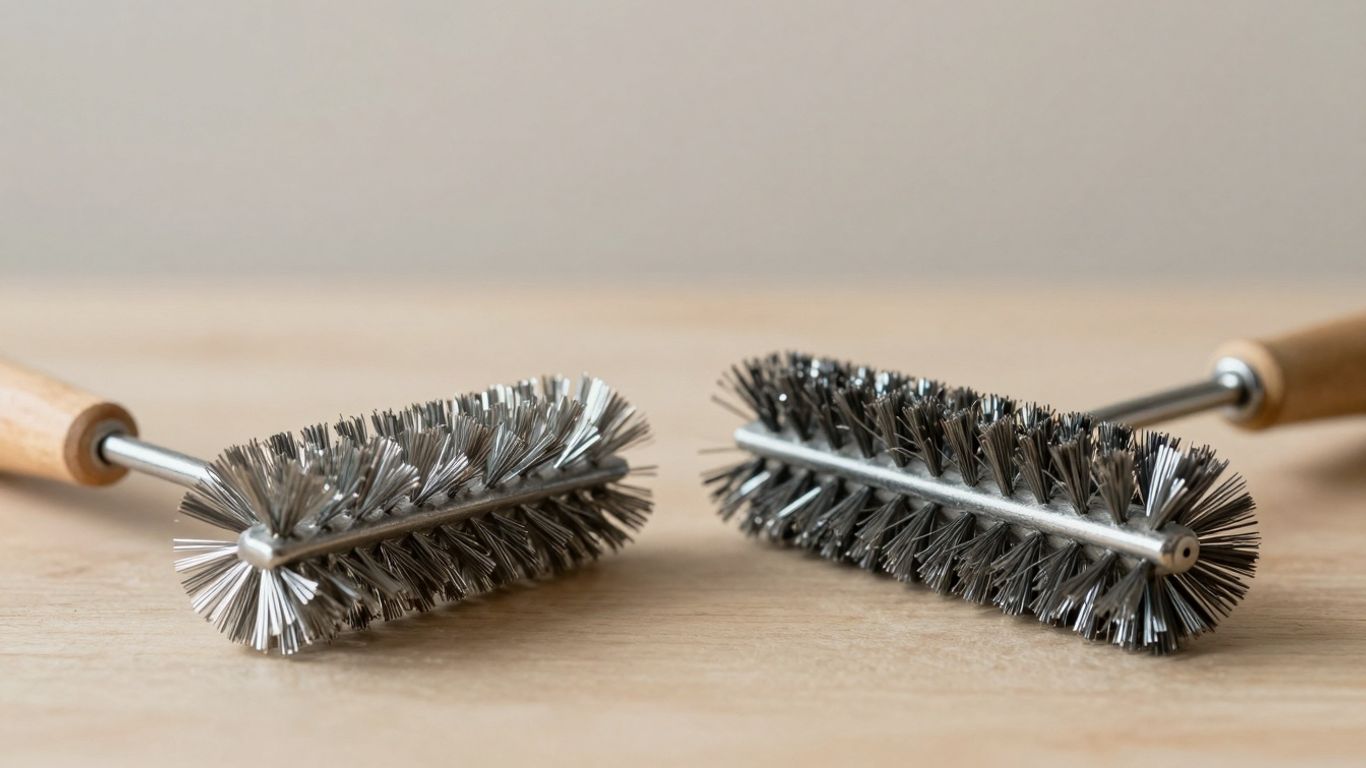
Picture this: you’re aggressively scrubbing away at your bore with a steel brush. You might think you’re getting it cleaner, but what you’re likely doing is giving those precisely cut rifling grooves a good, hard scratch. It’s like using sandpaper on a baby’s bottom – not a good look. Some folks swear by these "tornado" brushes, especially for shotguns where there’s no rifling to worry about. But for a rifle? It’s generally a big no-no. You’re essentially inviting premature wear and tear, and nobody wants that.
Bronze Brushes: A Gorilla's Grip on Your Rifling
Okay, so maybe steel is too much. What about bronze? Bronze brushes are a bit softer, which is a step in the right direction. They’re less likely to cause immediate, catastrophic damage. However, they can still be pretty aggressive, especially if you’re using them with a lot of force or for extended periods. Think of it as a slightly less angry gorilla. It can still do some damage if it gets worked up. The key here is gentleness. If you opt for bronze, use it with a good solvent and a light touch. Don't go all Hulk Smash on your bore.
Shotgun Barrels: Where Brushes Can Roam Free
Now, for shotguns, things are a little different. Most shotgun barrels are smoothbores, meaning they don't have those delicate rifling grooves. This makes them a bit more forgiving when it comes to cleaning tools. So, if you’re cleaning a shotgun, a wire brush (steel or bronze) is generally a safer bet. You can be a bit more vigorous without worrying about messing up the accuracy-enhancing rifling. It’s like letting a kid loose in a candy store – they can have their fun without breaking anything important.
The biggest mistake people make with wire brushes is thinking "more scrubbing equals cleaner." While that might be true for a greasy pan, it's a recipe for disaster in a precision firearm barrel. Aggression isn't always the answer when it comes to cleaning.
Here’s a quick rundown:
- Steel Brushes: Generally avoid in rifled barrels. Think of them as the nuclear option – use only if you absolutely have to and understand the risks.
- Bronze Brushes: Better, but still require a gentle hand. Good for tougher fouling when used with solvent.
- Nylon Brushes: The safest bet for most routine cleaning. Less aggressive, but still effective with the right cleaner.
- Shotgun Barrels: More forgiving. Wire brushes are usually okay here.
The 'Clean Enough' Conundrum: A Matter of Opinion (and OCD)
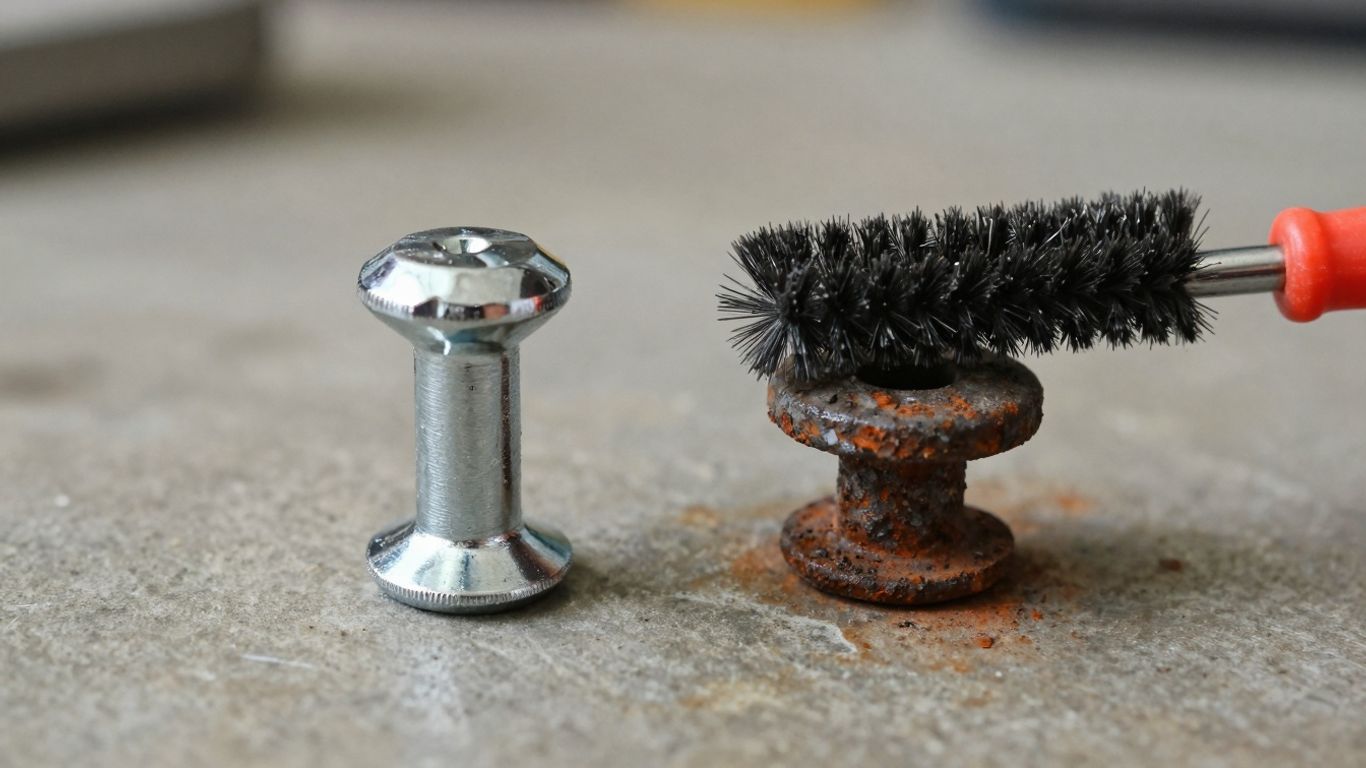
So, we've scrubbed, we've soaked, and maybe we've even cursed a little. Now comes the million-dollar question: when is your barrel actually clean? This is where things get a bit fuzzy, like trying to see through a dirty scope. Some folks treat cleaning like a religious ritual, while others are more like, 'Eh, it'll be fine.' It really boils down to how much you care about that last speck of carbon or copper.
Accuracy vs. Pristine Polish: What's Your Poison?
Look, if your rifle is still putting bullets exactly where you aim them, does it really matter if there's a whisper of fouling left? For competitive shooters, maybe. They're often chasing microscopic gains and might clean after every few hundred rounds. For the rest of us, who are just trying to hit that deer or paper target, a slight drop in accuracy might not even be noticeable until you've fired a lot of rounds. It's a trade-off: spend hours making it spotless, or spend that time actually shooting.
The 95% Rule: When Good Enough is Great
Honestly, most of us probably don't need a mirror-shiny bore. If you've gotten rid of the big chunks of carbon and copper, and the rifling edges still look sharp, you're likely in a good spot. Think of it like this:
- Major Fouling Gone: The obvious gunk is out.
- Minor Traces Remain: A little bit of carbon or copper might be hanging around, especially in the microscopic imperfections of the barrel.
- Sharp Rifling: The edges of your lands and grooves are still well-defined.
If you're hitting your mark, that's probably 'clean enough.' Trying to get to 100% might be more work than it's worth, and frankly, could even be detrimental if you're using harsh methods.
Less Cleaning, More Shooting: The Zen Approach
There's a whole philosophy around this. Some people find a rhythm with their cleaning, doing it just often enough to keep things running smoothly without obsessing. They might clean after a specific number of rounds, or maybe just when they notice a change in how the gun shoots. The goal here is simple: spend less time with patches and solvents, and more time enjoying the range or the field. It’s about finding that sweet spot where your rifle performs well, and you don't feel like you're neglecting it.
The truth is, for most firearms and most shooters, a perfectly spotless barrel isn't the end-all-be-all. A barrel that's mostly clean and still shoots accurately is often the best outcome. Over-cleaning can sometimes do more harm than good, especially if you're using aggressive techniques or tools that can wear down your rifling over time. It's a balance, and sometimes, 'good enough' really is good enough.
The Final Tally: Who Reigns Supreme?
When Stud Kleen Becomes Your Barrel's Best Friend
Alright, folks, we've gone the distance, five rounds of grime and glory. It's time to call it. If you're looking for a cleaning solution that's tough on carbon but gentle on your barrel's delicate rifling, Stud Kleen (or its equally impressive cousin, Bore Tech C4) is your champ. Think of it as a spa day for your gun's insides. It dissolves gunk without you having to scrub like you're polishing a knight's armor. Plus, soaking that stubborn carbon ring overnight? Pure magic. It's like the cleaner just whispers sweet nothings to the fouling until it surrenders.
Why That Wire Brush Might Be a Bad Idea
Look, wire brushes have their place, maybe for cleaning out a stubborn mud puddle or convincing a squirrel to leave your bird feeder alone. But for your firearm's barrel? It's a bit like using a cheese grater to apply sunscreen – messy and likely to cause damage. Steel brushes are just too aggressive, like a tiny, angry tornado wreaking havoc on your rifling. Bronze is a little better, but still, it's a lot of brute force. Unless you're cleaning a shotgun barrel where the tolerances are a bit more forgiving, you're probably doing more harm than good.
The Verdict: Shoot More, Clean Less (Wisely)
So, who wins? For most of us, most of the time, Stud Kleen or a similar chemical cleaner is the way to go. It gets the job done effectively without the risk of damaging your barrel. Wire brushes? Keep 'em for other, less delicate tasks. The goal is to spend more time at the range and less time hunched over a cleaning mat. Find a good cleaner, use it efficiently, and trust that 'clean enough' is often perfectly fine. Remember, a well-maintained but not obsessively polished barrel will likely shoot better than one that's been aggressively scrubbed into oblivion.
Here's a quick rundown:
- Stud Kleen/Bore Tech C4: Gentle, effective, great for carbon rings. Your barrel's best friend.
- Wire Brushes (Steel/Bronze): High risk of barrel damage. Use with extreme caution, if at all, on precision barrels.
- The 'Good Enough' Principle: Don't over-clean. Focus on function over a mirror shine.
Ultimately, the best cleaning method is the one that keeps your firearm running reliably and accurately without causing unnecessary wear. For most shooters, that means leaning on effective chemical cleaners and minimizing the use of abrasive tools.
The Final Tally: Who Reigns Supreme?
So, who came out on top? After all the dust settled, it's clear that one solution truly stands out. We've seen some great contenders, but the winner is the one that makes your job easier and faster. Ready to see which one it is? Head over to our website to discover the ultimate champion and learn how it can help you!
So, Who's the Champ?
Alright, after all that scrubbing and debating, it's clear there's no single knockout punch here. It seems like the 'best' way to clean your barrel is less about a specific tool and more about finding what works for you and your gun. Some folks swear by fancy chemicals, others are happy with a good old-fashioned brush and some elbow grease. The real takeaway? Stop stressing about that microscopic gunk and focus on what matters: hitting your target. Unless you're aiming for F-Class records, a reasonably clean barrel that shoots well is probably good enough. So go ahead, pick your poison – Stud Kleen, wire brush, or maybe just a really enthusiastic patch – and then go shoot the darn thing!
Frequently Asked Questions
What's the main difference between Stud Kleen and a wire brush for cleaning my gun barrel?
Stud Kleen is a cleaning liquid that's usually gentler on your barrel. A wire brush, especially steel ones, can be rough and might scratch or damage the inside of your barrel if you're not careful. Think of Stud Kleen as a soft cloth and a wire brush as a scrub pad – you use them for different jobs.
Is it okay to leave cleaning stuff in my barrel overnight?
Some cleaning products, like Stud Kleen (or Bore Tech C4 as some call it), are designed to be left on for a while, even overnight, to break down tough gunk. It's like giving your barrel a spa day! Just make sure the product you're using is safe for that kind of soak.
How do I know when my gun barrel is clean enough?
That's a tricky question! Some people look at patches until they come out perfectly clean. Others focus on how the gun shoots – if it's still accurate, it might be 'clean enough.' A good rule of thumb is that if most of the dirt and gunk is gone, and you don't see any major problems like a carbon ring, you're probably good to go. Don't stress about getting every tiny speck out.
Can using a wire brush really hurt my gun barrel?
Yes, especially steel wire brushes. They can be too harsh for the delicate rifling inside a gun barrel, kind of like using steel wool on a non-stick pan. Bronze brushes are a bit softer, but still, it's best to be careful. Shotgun barrels, which don't have rifling, can usually handle brushes better.
What is a 'carbon ring' and why should I worry about it?
A carbon ring is a buildup of burnt powder right where the case leaves the barrel. If it gets too bad, it can mess with how your bullet leaves the barrel, affecting accuracy and even causing pressure problems. Cleaning your barrel regularly helps prevent this ring from forming.
Should I clean my gun after every time I shoot it?
Not necessarily! Many experienced shooters find that cleaning too often can actually do more harm than good. If your gun is still shooting well and you're not seeing major buildup like a carbon ring, you might be able to clean it less often, maybe every few hundred rounds. The key is to find a balance that keeps your gun accurate and prevents damage.


