

When you're out riding, you probably don't think too much about what's going on inside your wheel hubs. It's easy to forget about them, honestly. But these little parts are super important for how your wheels spin and how your whole bike feels. Let's break down the seals, bearings, and the hub itself – the real pros that keep your wheels rolling smooth. Understanding these parts can make a big difference in your ride.
Key Takeaways
- The seals on your wheel hubs are like tiny bodyguards, keeping dirt and water out of the bearings so they can do their job smoothly.
- Bearings are the hardworking parts that let your wheels spin freely. If they're damaged or dirty, your ride won't be as smooth.
- The hub is the main body of your wheel. A strong hub is the foundation for everything else, making sure your wheel stays true and strong.
- Taking care of your wheel hubs means regular checks and proper lubrication. It's not a lot of work, but it keeps things running well.
- Paying attention to weird noises or wobbles from your wheels can help you catch problems with your wheel hubs early, saving you from bigger issues down the road.
The Unsung Heroes Of Your Wheel Hubs
Alright, let's talk about the real MVPs of your bike's wheels. We're not talking about the flashy spokes or the grippy tires here. Nope, we're shining a spotlight on the often-overlooked components that keep everything spinning smoothly: seals, bearings, and the hub itself. Think of them as the backstage crew of your bike's performance. Without them, the show grinds to a halt, and not in a cool, dramatic way. It's more like a squeaky, wobbly, 'oh-dear-what-was-that' kind of halt.
Seals: The Tiny Guardians Of Your Bearings
These little rubber or metal rings might seem insignificant, but they're the bouncers at the club for your bearings. Their job? To keep the nasty stuff out. We're talking about mud, water, grit, and whatever else the trail decides to throw at your bike. A good seal is like a tiny, determined bodyguard, preventing contaminants from getting in and messing with the delicate bearings inside. Without them, your bearings would be toast faster than you can say 'chain lube'. They're the first line of defense, and frankly, they don't get enough credit for their tireless work.
Bearings: The Smooth Operators
If seals are the guardians, bearings are the rockstars. These are the components that actually allow your wheel to rotate with minimal friction. They're a set of tiny metal balls (or rollers) nestled between two rings. When everything's clean and well-lubricated, they let your wheel spin like a figure skater on fresh ice. But introduce dirt or water, and they start to sound less like a smooth operator and more like a gravel road. The smoothness of your ride is directly tied to the health of your bearings.
Hubs: The Heart Of The Wheel
Finally, we have the hub. This is the central part of the wheel that attaches to your bike's frame or fork. It's the housing for the bearings and the point where the spokes connect. A strong, well-built hub is the foundation for everything else. It needs to be stiff enough to handle the forces of riding and precise enough to keep your bearings aligned perfectly. Think of it as the engine block of your wheel system. If the hub is weak or warped, even the best bearings and seals in the world won't save you from a wobbly, unhappy ride.
Here's a quick rundown of what these guys do:
- Seals: Keep the gunk out, keep the grease in.
- Bearings: Allow for smooth, low-friction rotation.
- Hub: Houses the bearings and connects the wheel to the bike.
Neglecting any one of these components is like ignoring a leaky faucet; it might seem minor at first, but it can lead to much bigger, more expensive problems down the road. Keeping them happy is key to a happy bike.
Why Your Wheel Hubs Deserve A Standing Ovation
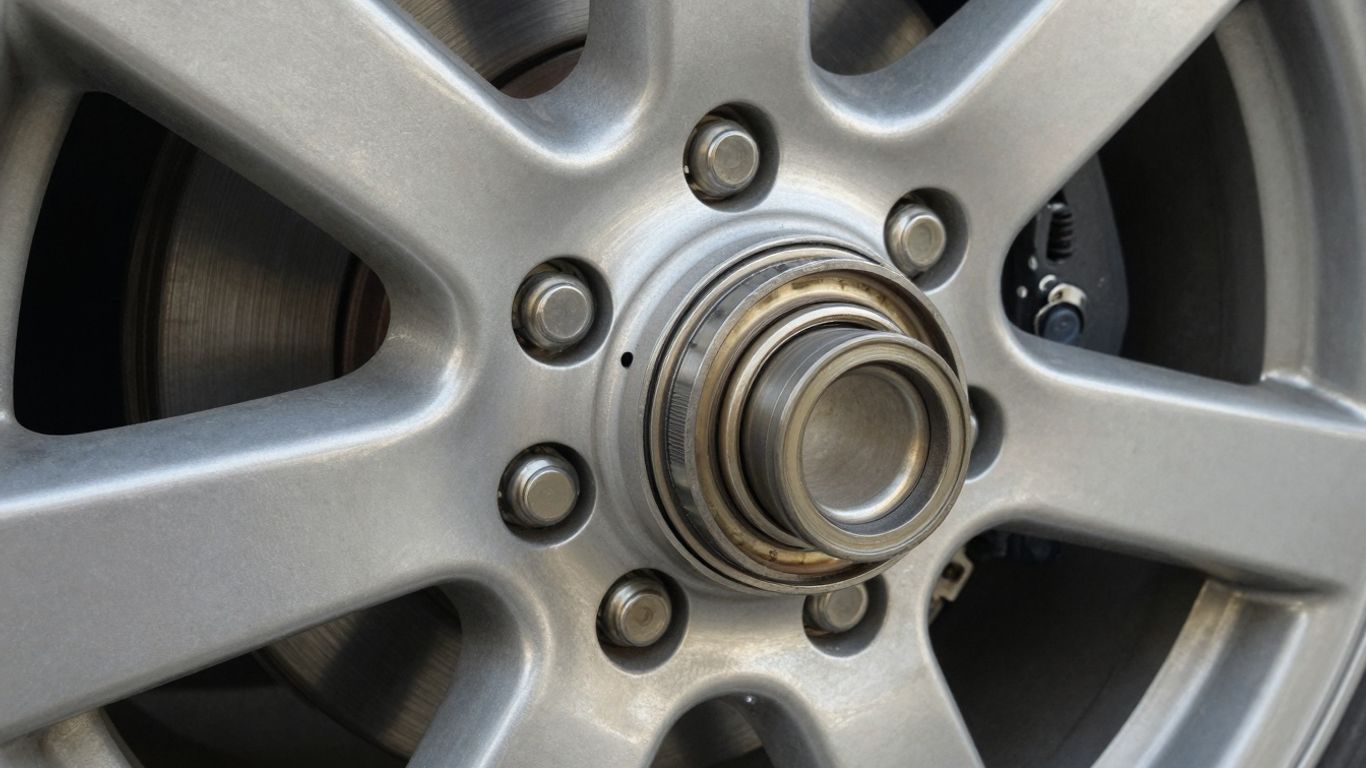
The Importance Of A Well-Maintained Hub
Look, we all love the shiny bits on our bikes. The fancy drivetrain, the suspension that looks like it could eat a small car, the carbon frame that whispers sweet nothings about aerodynamics. But let's be real, none of that matters if your wheels are wobbling around like a toddler on a sugar rush. Your hubs are the unsung heroes, the quiet workhorses that keep everything spinning smoothly. They're the gatekeepers of your wheel's integrity, and frankly, they deserve a little more respect than just being 'that thing in the middle of the wheel'. A happy hub means a happy ride, and a happy ride means you're not walking home.
Signs Your Wheel Hubs Are Crying For Help
Your hubs might not talk, but they sure can make some noise. Ignoring these signs is like ignoring a smoke detector because you don't want to get up. Here's what to listen (and feel) for:
- Grinding or Clicking Noises: This is usually your first clue that something's not happy in hub-land. It could be dirt, worn-out bearings, or a general cry for attention.
- Wobbly Wheel: If your wheel has more side-to-side movement than a politician during an election, your hub bearings or the hub itself might be toast.
- Loose Spokes: While not directly a hub issue, loose spokes can put uneven stress on your hub flanges, leading to bigger problems down the line.
- Resistance to Spinning: If your wheel feels like it's dragging an anchor, even after you've cleaned and lubed everything else, your hub bearings are probably begging for mercy.
The Consequences Of Neglecting Your Wheel Hubs
Skipping out on hub maintenance isn't just about a noisy ride; it's a slippery slope to disaster. Think of it as a domino effect, but instead of little plastic pieces falling, it's your bike's performance and your wallet taking a hit.
Neglecting your hubs is like ignoring a small leak in your roof. It might seem minor at first, but eventually, it'll lead to water damage, mold, and a much bigger, more expensive problem to fix. Your bike's wheel system is no different.
Here's the lowdown on what happens when you ignore those hub cries:
- Premature Bearing Failure: This is the most common culprit. Dirt and lack of lube turn your smooth bearings into gritty, grinding nightmares, eventually seizing up.
- Damaged Hub Shell/Flanges: Worn-out bearings can cause the hub shell to wear unevenly, and excessive force from a wobbly wheel can even crack or bend the flanges where your spokes attach. Ouch.
- Compromised Wheel Integrity: A damaged hub means your wheel isn't true anymore. This can lead to rim damage, spoke breakage, and a general feeling of 'what is happening to my bike?!'
- Complete Wheel Failure: In the worst-case scenario, a catastrophic hub failure can lead to your wheel coming apart while you're riding. Not ideal, and definitely not something you want to experience. Plus, it's way more expensive to replace a whole wheel than to just service your hub.
Keeping Your Wheel Hubs Happy And Healthy
Alright, let's talk about keeping those wheel hubs from turning into sad, squeaky lumps of metal. It’s not rocket science, but it does require a little bit of TLC. Think of it like this: your hubs are the unsung heroes, the workhorses that keep everything spinning smoothly. If they're unhappy, your whole ride is going to feel like a bumpy, grinding mess. And nobody wants that, right?
Regular Maintenance: More Than Just A Pretty Face
So, what does
The Synergy Of Seals, Bearings, And Hubs
Alright, let's talk about the real MVPs of your wheel's performance: seals, bearings, and hubs. Think of them as a ridiculously well-coordinated dance troupe. Mess up one move, and the whole performance goes south. It’s not just about having parts; it’s about how these parts work together, like a well-oiled (pun intended) machine.
How Seals Protect Your Precious Bearings
Seals are like the bouncers at the club for your bearings. Their job? To keep the riff-raff out. We're talking about dirt, mud, water, and anything else that wants to muck up your smooth-rolling bearings. A good seal means your bearings stay clean and happy, doing their job without getting all gritty and sad.
- Keeps out the nasties: Dirt, water, grime – the usual suspects.
- Prevents grease leakage: Your bearings need that good stuff to keep spinning freely.
- Extends bearing life: Less contamination equals longer-lasting bearings. Who doesn't want that?
The Role Of Bearings In A Smooth Ride
Bearings are the unsung heroes that let your wheel actually spin. Without them, you'd just have a stationary, very heavy circle attached to your bike. They're the smooth operators, the quiet workers that allow for that effortless rotation. The quality and condition of your bearings directly impact how smoothly your bike rolls.
The difference between a cheap, worn-out bearing and a fresh, well-maintained one is like the difference between dragging your bike through a mud pit and gliding on a cloud. Seriously, it's that noticeable.
Why A Robust Hub Is The Foundation Of It All
The hub is the central piece, the heart of the wheel. It's where the spokes attach, where the bearings sit, and where the magic of engagement happens. A strong, well-built hub provides a solid platform for everything else. If your hub is flexing or worn out, it doesn't matter how fancy your seals or bearings are; your ride is going to suffer. It's the anchor that keeps your wheel true and your ride predictable.
Think about engagement points. More points mean quicker response when you start pedaling. Less points, and you might feel a little lag, especially on technical climbs where every bit of power transfer counts. It's a trade-off, sure, but a well-built hub with good engagement makes a difference you can feel.
Common Wheel Hub Woes And How To Avoid Them
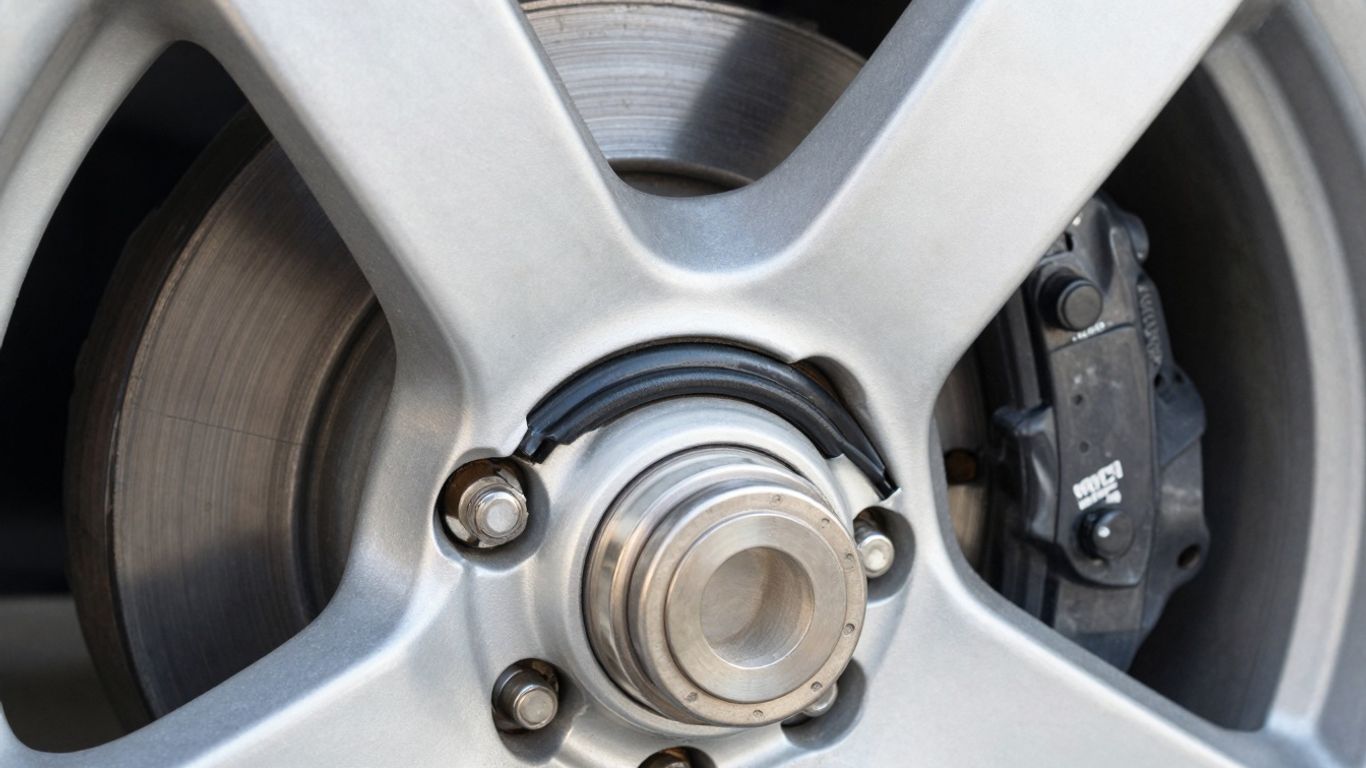
The Dreaded Grinding Noise: What It Means
That awful grinding sound coming from your wheel? It’s usually the sound of your bearings screaming for mercy. Think of your bearings like tiny, hardworking dancers. When they’re clean and well-lubricated, they glide smoothly. But when dirt, water, or grit gets in there, it’s like throwing sand in their delicate gears. This causes friction, and friction, my friends, leads to that horrible grinding. Ignoring this noise is like ignoring a smoke alarm – it’s not going to fix itself and will likely lead to bigger problems. If you hear it, it’s time to stop, listen, and probably get your bearings checked out. Sometimes a good cleaning and re-greasing can save them, but often, it means they’ve had it and need replacing. It’s a bit like trying to revive a zombie – sometimes it just doesn’t work out.
Wobbly Wheels: A Sign Of Deeper Issues
A wobbly wheel isn't just annoying; it's a red flag waving frantically. This can stem from a few places. Your hub itself might be loose, meaning the bolts holding it to the frame aren't tight enough. This is a pretty straightforward fix, but improper installation can lead to serious issues down the line. You could also have a bent rim, or worse, damaged spokes. Sometimes, the hub bearings themselves are so worn out that they create play, allowing the whole wheel to shift. It’s like a Jenga tower – remove one key piece, and the whole thing starts to wobble precariously. Regular checks of your wheel's stability are a good idea, especially after a rough ride or if you notice any strange handling.
Premature Wear: Don't Let Your Hubs Go Bust
Nobody wants their expensive bike parts to give up the ghost too soon. Premature wear on your hubs, seals, or bearings usually points to a lack of attention. Are you riding through mud puddles like a kid in a candy store? Great for fun, not so great for your components. Are you neglecting regular cleaning and lubrication? That’s a fast track to early retirement for your parts. Think of it like this:
- Seals: These are your first line of defense. If they're cracked or worn, dirt gets in. Simple.
- Bearings: If dirt gets past the seals, the bearings take a beating. They get gritty and start to wear down fast.
- Hubs: If the bearings are shot, the hub shell can get damaged, leading to a whole new set of headaches.
The best way to avoid this is to be proactive. A little bit of cleaning and greasing goes a long way. It’s way cheaper to maintain your parts than to replace them. Plus, you avoid the frustration of a breakdown when you’re miles from anywhere.
If you're unsure about the installation process, checking out guides on proper wheel hub installation can save you a lot of grief later on.
Upgrading Your Wheel Hubs For Peak Performance
Alright, let's talk about making your wheels sing. You've got your seals keeping the gunk out, your bearings spinning like tiny, happy hamsters, and your hub holding it all together. But what if you want more? What if you want your bike to feel like it's got a secret superpower? That's where upgrading your hubs comes in. It's not just about looking fancy; it's about making your ride feel, well, better.
Choosing The Right Hub For Your Riding Style
Think of hubs like the engine of your wheel. You wouldn't put a lawnmower engine in a race car, right? Same idea here. Your riding style dictates what kind of hub will make you grin.
- Trail/All-Mountain: You want something reliable and strong. Maybe not the absolute fastest engagement, but something that can take a beating and keep on ticking. Think of it as a trusty sidekick.
- Cross-Country (XC): Weight is often king here. You might lean towards hubs that are lighter but still offer decent engagement for quick bursts of speed.
- Downhill/Enduro: This is where you want that instant grab. When you're bombing down a hill and need to make micro-adjustments or pedal out of a corner, quick engagement is your best friend. It feels more connected, less laggy.
- Gravel/Commuting: Durability and low maintenance are usually the priorities. You might not need lightning-fast engagement, but you definitely want something that won't quit on you.
The Impact Of Hub Engagement On Your Ride
This is where things get interesting, and honestly, a bit debated. Hub engagement refers to how quickly the freehub mechanism grabs when you start pedaling after coasting. More points of engagement mean a quicker grab.
- Low Engagement (e.g., 18-24 points): These are often found on more basic or older hubs. They're generally quieter and might have less drag when you're coasting. Some folks swear by them for certain climbing styles where they feel less jerky.
- Medium Engagement (e.g., 36-54 points): A good middle ground. Offers a noticeable improvement in responsiveness without being overly loud or adding significant drag.
- High Engagement (e.g., 60-120+ points): This is the sweet spot for many riders, especially those who do a lot of technical climbing or descending. You get that instant power transfer, making it feel like the bike is an extension of your legs. It's great for ratcheting over obstacles or quickly accelerating out of corners. The downside? They can be louder (some love this 'buzz,' others hate it) and might have a tiny bit more drag when you're just cruising.
The key takeaway is that higher engagement hubs can make your bike feel more responsive, especially when you're not pedaling constantly.
Beyond The Hub: Considering The Whole Wheel System
Upgrading your hub is awesome, but don't forget the other parts of the wheel. A super-fast hub laced to a flimsy rim or with weak spokes is like putting a Ferrari engine in a shopping cart. It just won't work right.
- Rims: Are your rims strong enough for your riding? Are they the right width for your tires? Sometimes a new rim can make a bigger difference than you think, especially if you're currently on a heavier aluminum rim and considering carbon.
- Spokes: These are the unsung heroes holding everything together. Good quality spokes and proper tensioning are vital for a strong, true wheel.
- Tires: Don't underestimate the impact of tires! The right tire pressure and tread pattern can drastically change how your bike feels, sometimes masking or highlighting hub characteristics.
So, while a shiny new hub with a million points of engagement might seem like the ultimate upgrade, remember to look at the whole picture. A well-built wheel system, with components that match your riding style, is what truly leads to peak performance and a happy backside. And hey, if it looks good too, that's just a bonus, right?
Want to make your car zoom faster? Upgrading your wheel hubs is a smart move for better performance. It's like giving your car a secret power-up! Ready to feel the difference? Visit our website to learn more and find the perfect hubs for your ride.
So, What's the Takeaway?
Alright, so we've talked seals, bearings, and hubs. Basically, the whole crew that keeps your wheels spinning smoothly. If these guys are happy, your bike is happy. If they're grumpy, well, you're gonna have a bad time. Think of it like a band: you need all the members playing their part. A blown bearing is like the drummer forgetting the beat, and a busted seal is like the singer going off-key. It all just sounds terrible. So, give these parts some love, keep 'em clean, and maybe, just maybe, you won't end up walking your bike home more than you ride it. Happy trails, and may your hubs hum a sweet tune!
Frequently Asked Questions
What are the three main parts that keep a bike wheel healthy?
The three main parts are the seals, bearings, and hubs. Think of them as a team working together to make sure your wheel spins smoothly and stays protected. Seals keep dirt out, bearings let things turn easily, and the hub is the central piece that holds it all together.
Why are seals so important for bike wheel bearings?
Seals are like tiny bodyguards for your bearings. They create a barrier to stop nasty stuff like mud, water, and grit from getting inside the bearings. If dirt gets in, it can grind away at the parts, making them wear out faster and not spin as smoothly.
What do bike wheel bearings do?
Bearings are the unsung heroes that allow your wheel to spin freely. They are made up of small metal balls or rollers that sit between two rings. When your wheel turns, these little balls roll, reducing friction and making your ride smooth. Without good bearings, your wheel would be stiff and hard to turn.
How do I know if my wheel hubs need attention?
Listen for strange noises like grinding or clicking when you ride. Also, if your wheel feels wobbly or loose even after tightening things up, it could be a sign that your hubs or bearings are having problems. Sometimes, you might notice uneven wear on the hub.
What happens if I don't take care of my wheel hubs, seals, and bearings?
If you ignore problems, things can get much worse. Dirt and damage can ruin your bearings, making your wheel hard to turn and potentially causing the hub to break. This can lead to a rough ride, reduced performance, and eventually, you might need costly repairs or replacements.
How often should I check or maintain my wheel hubs, seals, and bearings?
It's a good idea to give them a quick look-over regularly, especially after riding in tough conditions like mud or rain. You might want to clean and re-grease the bearings about once a year, or more often if you ride a lot or in harsh weather. If you hear or feel anything unusual, it's best to get them checked by a mechanic sooner.


