

We've all heard those stories, right? The ones where a car just suddenly makes a noise that sounds like a jet engine taking off, or worse, something actually breaks. Usually, it's the wheel hubs that are the culprits. These aren't just minor annoyances; they can turn a simple drive into a real headache, or even a dangerous situation. Let's dive into some of the wilder tales of neglected wheel hubs and what happens when they decide to call it quits.
Key Takeaways
- A grinding or humming noise from your wheel hubs isn't just annoying, it's a warning sign of potential failure.
- Ignoring wheel hub issues can lead to complete failure, potentially causing loss of control or the wheel detaching.
- Sometimes, wheel bearings can fail without obvious noise or play, making regular checks important.
- Severe neglect can damage the hub itself, making repairs more complex and costly.
- From a wheel dragging on the ground to a wheel facing the ditch, the 'horror stories' highlight the serious risks of ignored wheel hub problems.
When Your Wheel Hubs Decide To Go Rogue
The Case of the Dragging Wheel
You know that feeling when you're driving, and something just feels... off? Maybe it's a slight pull to one side, or a weird noise that you think might be the radio. Well, sometimes, that 'off' feeling is your wheel hub screaming for help. It's like your car's hub is throwing a tantrum, and it's not going to be quiet about it. We're talking about the kind of failure that doesn't just make a little noise; it can make your wheel act like it's got a mind of its own.
Imagine this: you're cruising along, maybe thinking about what's for dinner, and suddenly, you notice your car is pulling hard to one side. You check your mirrors, and sure enough, your wheel looks a little... wonky. This isn't just a flat tire situation; this is your wheel hub deciding it's had enough. It's like the bearing inside has completely disintegrated, leaving the wheel with so much play it's practically doing the cha-cha. This can lead to your wheel leaning out like it's trying to get a better look at the scenery, or worse, start dragging.
When 'Normal' Becomes 'Nightmare'
Sometimes, the signs are subtle at first. A faint grinding, a hum that seems to come from nowhere. You might dismiss it as road noise or maybe that one squeaky brake pad you've been meaning to look at. But then, it gets louder. It goes from a whisper to a shout, and suddenly, that 'normal' drive is turning into a full-blown automotive horror movie. The wheel bearing, the unsung hero keeping your wheel spinning true, has decided to call it quits, and it's taking the hub assembly with it.
The 'Can You Hear Me Now?' Bearing
This is where things get really interesting, and not in a good way. You've got a wheel bearing that's gone from a gentle hum to a full-on grinding symphony. It's so loud, you can barely hear yourself think, let alone have a conversation with your passenger. The noise is a clear indicator that the metal-on-metal action inside the hub is severe. It's like tiny gremlins are having a rave inside your wheel, and they're not invited.
Here's a quick rundown of what might be happening:
- The Grinding Halt: The bearing rollers or balls have shattered, creating a cacophony of destruction.
- The Wobble of Doom: Excessive play develops, making the wheel feel loose and unstable.
- The Heat is On: Friction from the failing bearing can generate enough heat to warp rotors or even cause smoke.
When a wheel bearing fails this spectacularly, it's not just about replacing a part. It's about the potential for catastrophic failure where the wheel could detach entirely. The hub itself can be damaged beyond repair, turning a simple bearing replacement into a much more expensive ordeal. Ignoring these sounds is like playing Russian roulette with your car's safety.
The Symphony of Destruction: Noisy Wheel Hubs
When Your Stereo Can't Drown Out the Grinding
So, you've got a new sound coming from your car. It's not the sweet melody of your favorite song, nor is it the satisfying rumble of a well-tuned engine. No, this is the soundtrack of impending doom, a grinding, humming, or clicking noise that seems to get louder the faster you go. This is your wheel hub screaming for attention, and it's probably been doing it for a while. Ignoring it is like telling a smoke alarm to "chill out" while your toast is actively on fire. It might work for a bit, but eventually, things get messy.
The Unbearable Hum of Impending Doom
That low hum you hear? It's not your imagination, and it's definitely not the wind. It's the sound of metal on metal, the tiny balls or rollers inside your wheel bearing getting tired of their job. They've been working hard, supporting the weight of your vehicle and letting your wheels spin freely. But over time, dirt, water, or just plain old wear and tear can get the best of them. When they start to complain, it usually sounds like a subtle hum that grows into a noticeable drone. Sometimes, it's more of a clicking or popping sound, especially when you turn.
Did You Even Hear That?
Here's the kicker: some wheel bearings go out without making a peep. Seriously. You might have a bearing that's got more play than a politician on election day, but it's quiet as a mouse. This is where things get tricky. You can't always rely on noise alone to tell you there's a problem.
- The Silent Killer: Sometimes, the only warning sign is a bit of wobble or looseness when you grab the wheel at the 12 and 6 o'clock positions.
- The Grinding Down: If you do hear it, and you ignore it, you risk grinding down not just the bearing, but the hub itself. That's a much more expensive fix.
- The 'Is It My Tires?' Dilemma: Occasionally, a weird noise might actually be your tires. Cupped tires can make a humming sound that fools people into thinking it's a bearing.
Don't be the person who waits until the noise is so loud they can't hear their own thoughts. A little noise now can save you a lot of headaches (and money) later. It's better to replace a bearing that's just starting to sing than to deal with a wheel that decides to take a solo performance.
Hubs That Went From 'Meh' to 'Oh Heck No!'
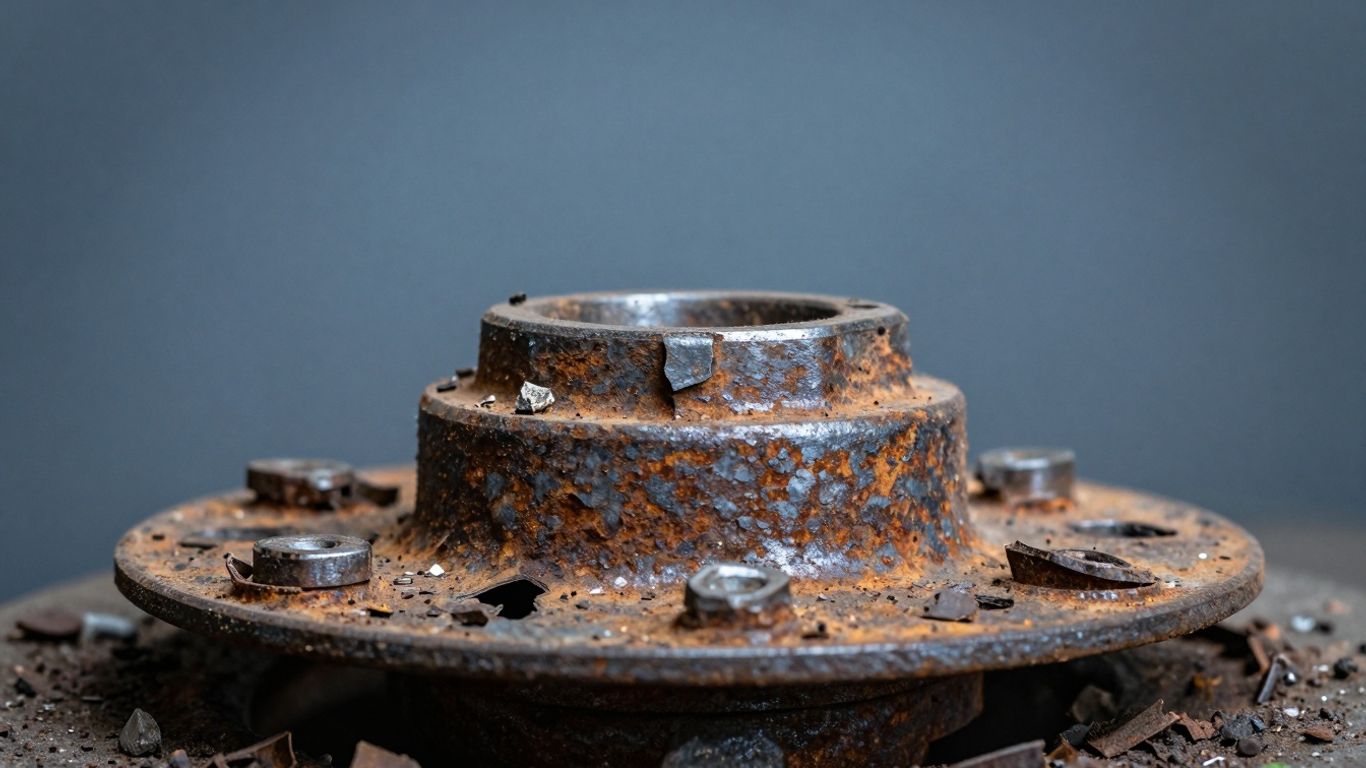
Sometimes, you don't even realize your wheel hub is staging a rebellion until it's practically doing the cha-cha on the highway. These are the stories where a little bit of 'meh' noise or a slight wobble suddenly escalates into a full-blown automotive crisis. It's the kind of situation that makes you question your hearing, your maintenance schedule, and possibly your life choices.
The 120-Mile Drive of Shame
Picture this: you're cruising along, maybe thinking about what's for dinner, when you notice a slight drag. You dismiss it. It's probably just the road, right? Or maybe you've got some new tires that are a bit noisy. This is how the 120-mile drive of shame begins. One poor soul reported driving for months with a roaring wheel bearing, only realizing something was seriously wrong when the wheel started to actively drag on the pavement. It turns out, the bearing had disintegrated so badly that the hub was practically falling off, pushing the brake piston out. Talk about a surprise.
When Play Becomes a Full-Blown Dance Party
We've all felt a little play in the steering wheel now and then. It's usually nothing. But what happens when that tiny bit of wiggle turns into a full-on shimmy? One driver noticed their front wheel had a significant amount of play – we're talking inches, not millimeters. The dust cap was missing, the hub nuts were unthreaded, and the wheel was practically doing a solo dance routine. It’s a miracle the wheel didn't detach completely, especially since the caliper was riding on the rotor, creating smoke and a distinct smell. This wasn't just a bearing issue anymore; it was a full hub assembly revolt.
The Case of the Missing Dust Cap and the Cambered Wheel
This one is a classic. A driver noticed a missing dust cap on the front hub and thought, 'Huh, weird.' They continued their journey, experiencing some brake issues that felt like a master cylinder problem. The real alarm bells went off when they returned home and saw the wheel was noticeably cambered, leaning like it had had one too many at the local pub. Upon jacking up the vehicle, they discovered the hub assembly was held on by sheer willpower (and the brake caliper). The circlip was gone, the hub locknuts were loose, and the locking washer was broken. It's a stark reminder that even small missing parts can lead to big, scary problems.
When Wheel Hubs Decide to Take a Vacation
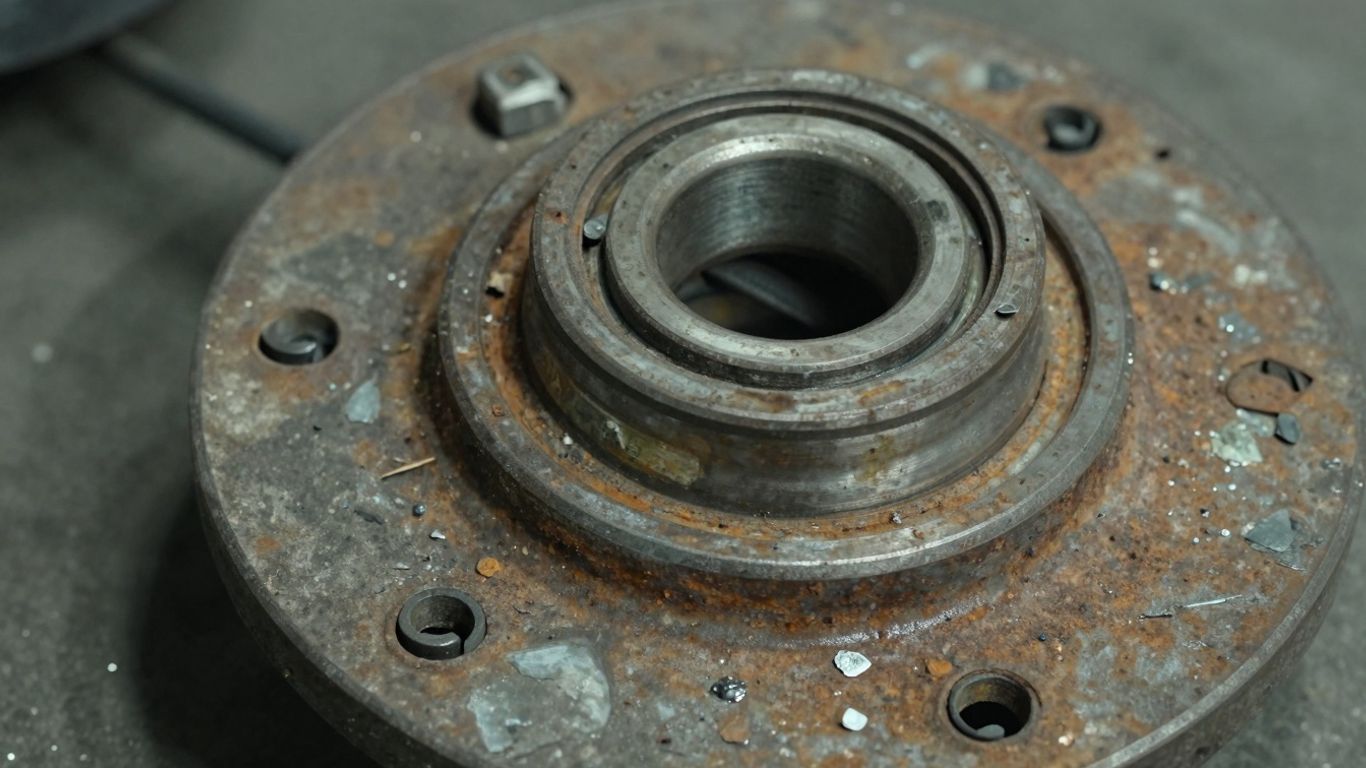
The 'Oops, My Wheel Is Now Facing the Ditch' Scenario
So, you're cruising along, maybe singing off-key to the radio, and suddenly your car starts pulling like it's trying to audition for a demolition derby. You might dismiss it as a wonky tire or maybe just a bit of road magic. But then, things get weird. The steering feels… loose. Not just a little wiggle, but a full-on, 'is this thing even connected?' kind of loose. This is your wheel hub waving the white flag. It's not just making noise anymore; it's actively trying to escape the vehicle. Imagine driving at highway speeds and feeling your wheel start to angle itself towards the nearest ditch. That's not a vacation; that's a full-blown mutiny by your hub assembly.
When the Axle Stub Becomes a Hub Grinder
Sometimes, the hub doesn't just fail; it takes other parts down with it. We're talking about situations where the bearing completely disintegrates, and the inner part of the hub, where the axle stub sits, gets chewed up. It’s like a tiny, metal-on-metal mosh pit happening inside your wheel. Suddenly, that sturdy axle stub is getting ground down, and the wheel bearing is just… gone. This can lead to some truly spectacular failures, like the time a Ford van’s front right wheel decided it had seen enough and detached itself entirely, ending up under the control arm. Thankfully, no one was hurt, but that’s a level of 'vacation' no car part should ever take.
The 'It Was Fine Yesterday' Wheel Bearing
This is the most baffling kind. You drove to the store yesterday, and everything was peachy keen. Today? Not so much. You might get a slight wobble, or maybe nothing at all until BAM! The wheel locks up, or worse, starts to detach. It’s the automotive equivalent of a surprise party, except instead of cake, you get a tow truck. One story involved a Chevy truck where the front wheel bearing locked up not once, but twice in just 300 feet on a wet road. At 60 mph, that’s enough to make your heart do a drum solo. The rollers were missing chunks, and the races had grooves where bits had wedged in. And the kicker? No weird noises beforehand. Just… gone. It’s a stark reminder that sometimes, the quiet ones are the most dangerous.
The 'I Swear It Wasn't Making Noise' Wheel Hub Fails
The Silent Killer: When Play is the Only Warning
You know that feeling? You hop in your car, turn up the tunes, and everything seems fine. Then, a few miles down the road, you notice something's... off. It's not a loud grinding or a squeal, but a subtle wobble, a slight hesitation when you turn. You might dismiss it as road noise or maybe you just need to adjust your seat. But deep down, you know. Your wheel hub is trying to tell you something, and it's not using its indoor voice.
Sometimes, the most dangerous failures don't announce themselves with a bang. They creep up on you. A wheel bearing can go from perfectly fine to "oh heck no" without a single audible complaint. The first sign might just be a bit of play in the wheel. You know, you grab the wheel at the top and bottom, and it wiggles more than it should. This is your cue to stop, drop, and roll... to the nearest mechanic.
Grinding Down the Hub: A Tale of Neglect
This is where things get really ugly. Imagine driving for miles, maybe even hundreds, with a bearing that's already past its prime. It starts as a hum, then a grind, and you just crank the radio louder. Eventually, the bearing completely disintegrates. What's left is metal on metal, and the bearing itself starts to chew away at the hub it's supposed to be protecting. Suddenly, you're not just replacing a bearing; you're looking at a damaged hub that needs replacing too. That little bit of neglect can turn a simple fix into a much bigger, more expensive headache.
Here's a quick rundown of what happens when a bearing goes rogue:
- Initial Stage: A faint hum or slight looseness. Easy to ignore.
- Mid-Stage: The hum gets louder, maybe a clicking sound. You might start to feel a slight vibration.
- Late Stage: Loud grinding, significant play in the wheel, and potential damage to the hub.
- Catastrophic Failure: The wheel could lock up, or worse, detach.
The 'It'll Hold Till I Get Home' Gamble
We've all been there, right? You're miles from home, you notice a weird noise, and your brain immediately starts calculating. "Can I make it back?" "Will it get worse?" "Maybe if I drive slower?" This is the wheel bearing gamble. You're betting that the bearing will hold on just long enough for you to reach the safety of your driveway. Sometimes, you win. Other times, you end up stranded on the side of the road, or worse, causing more damage than you ever intended.
The temptation to push your luck with a questionable wheel bearing is strong, especially when you're far from home. But remember, that little bit of play or that faint noise is a warning sign. Ignoring it is like playing Russian roulette with your car's safety and your wallet.
This kind of failure often happens when the bearing has been neglected for a long time. The internal components wear down, and eventually, the races can seize up. When that happens, they start grinding away at the hub itself. It's a nasty situation because finding a replacement hub in a pinch isn't always easy, and they aren't exactly cheap. So, that little voice telling you something's wrong? Listen to it. It might just save you a whole lot of trouble.
Adventures in Wheel Hub Catastrophe
The 'My Wheel Fell Off... Almost' Story
Sometimes, you get lucky. Really lucky. Like, "my wheel decided to take a solo road trip but was stopped by a rogue brake caliper" lucky. This is the kind of story that makes you sweat just thinking about it. Imagine cruising down the highway, maybe humming along to some tunes, and suddenly, you feel that wobble. Not a little shimmy, but a full-on, "is my car trying to do the cha-cha?" kind of wobble. You pull over, heart pounding, and discover your wheel is practically doing its own thing, held on by sheer willpower (and a bit of metal). This is not a drill; it's a full-blown hub emergency.
When the Bearing Takes the Hub with It
This is where things get really messy. You've ignored the subtle (or not-so-subtle) signs for too long, and now the bearing has decided to go out with a bang. It doesn't just fail; it takes its buddy, the hub, down with it. We're talking about situations where the bearing races have chewed up the hub so badly that it's basically toast. You might find yourself needing parts that aren't exactly sitting on the shelf at your local auto parts store, leading to a frantic search and a hefty bill. It’s like a destructive dance where the bearing leads and the hub is its unfortunate partner.
The 'I Thought It Was Just Tire Noise' Delusion
Ah, the classic denial phase. That faint grinding, that subtle hum, that slight looseness you felt for weeks – "Nah, it's just the tires," you tell yourself. It's amazing how our brains can rationalize away impending doom. People have driven for thousands of miles with a bad bearing, only realizing the true horror when something dramatic happens. One driver reported a missing dust cap and a wheel that looked like it was doing a permanent lean. Another mentioned their wheel was at a 90-degree angle after a turn, thanks to a ball joint popping out and snapping the driveshaft. It’s a testament to how much abuse a vehicle can take, but also a stark warning.
Here's a quick rundown of what can happen when a hub goes rogue:
- Sudden Loss of Steering: Imagine your steering wheel suddenly feeling disconnected, or worse, the wheel itself starts to turn on its own. This can happen if a CV axle separates, causing all sorts of chaos.
- Wheel Separation: The ultimate nightmare. The wheel literally detaches from the vehicle, becoming a dangerous projectile.
- Camber Issues: Your wheel starts to sit at a weird angle, making the car undrivable and looking like it's perpetually trying to escape.
It's easy to put off maintenance, especially when things seem to be working okay. But when it comes to wheel hubs, "okay" can turn into "oh heck no!" faster than you can say "tow truck." Don't let your car join the ranks of these horror stories. Regular checks and addressing strange noises or feelings are key to avoiding a truly catastrophic adventure. If you're experiencing any of these symptoms, it's time to get it checked out, maybe even before your next long drive. You can find more information on potential CV axle failures and what they entail.
Dealing with a messed-up wheel hub can be a real headache, turning a simple car fix into a big problem. We've all been there, right? Don't let a rusty or dirty hub ruin your day. Visit our website to find the right tools to get the job done.
So, What's the Takeaway?
Well, after hearing all these tales of woe, it's pretty clear that ignoring your car's wheel bearings is like playing a really loud, really expensive game of "What's That Noise?" You might win for a while, but eventually, the car's going to throw a tantrum, probably at the worst possible moment. So, next time you hear a hum, a grind, or anything that sounds like a tiny gremlin is tap-dancing on your axle, do yourself a favor. Turn down the stereo, listen up, and get it checked out. Your wallet, your car, and any innocent motorists nearby will thank you. Happy (and quiet) driving!
Frequently Asked Questions
What are the first signs of a bad wheel bearing?
Often, a bad wheel bearing will start making noise. You might hear a humming, grinding, or clicking sound that gets louder as you drive faster. Sometimes, you can feel a slight wobble or looseness in the steering wheel too.
Can a wheel bearing fail suddenly without any warning?
While it's more common for bearings to make noise for a while, yes, they can fail suddenly. This is especially true if a part breaks off inside the bearing, causing it to lock up quickly. It's always best to get any strange noises checked out right away.
How long can I drive on a noisy wheel bearing?
It's risky to drive on a noisy wheel bearing. While some people have driven for many miles, the bearing could fail completely at any time, leading to a loss of control. It's safest to fix it as soon as possible.
What happens if a wheel bearing completely fails?
If a wheel bearing completely fails, the wheel might stop turning, or it could even detach from the car. This can cause the driver to lose control of the vehicle, leading to accidents. In some cases, the bearing failure can damage other parts like the hub or axle.
Can I check my wheel bearings myself?
Yes, you can do a basic check. With the car safely jacked up, grab the wheel at the top and bottom and try to wiggle it. If you feel any looseness or play, the bearing might be going bad. You can also listen for grinding or humming noises when turning the wheel.
Does a bad wheel bearing always make noise?
Not always. Sometimes, a wheel bearing can be worn out and have play (looseness) without making a lot of noise. Other times, the noise might be mistaken for tire noise or something else, so it's important to check for looseness too.


