

So, you're wondering about wheels and how they attach to your truck, right? It can get a little confusing with all the different terms out there. We've got stud-piloted and hub-piloted systems, and they both do the same job but in different ways. Let's break down what makes them tick and figure out which one might be better for your ride. It’s not as complicated as it sounds, honestly.
Key Takeaways
- Stud-piloted wheels use beveled holes and nuts to center the wheel, while hub-piloted wheels use the center hole to fit over a hub ridge.
- Hub-piloted systems often use fewer nuts, which can save time and money on maintenance.
- Stud-piloted wheels can have issues with wear on the studs and nuts, potentially leading to misalignment.
- The type of hub on your axle determines whether you can use stud-piloted or hub-piloted wheels.
- Both aluminum and steel wheels can be found in either stud-piloted or hub-piloted configurations, depending on the hub.
The Great Wheel Hub Debate: A Hilarious History
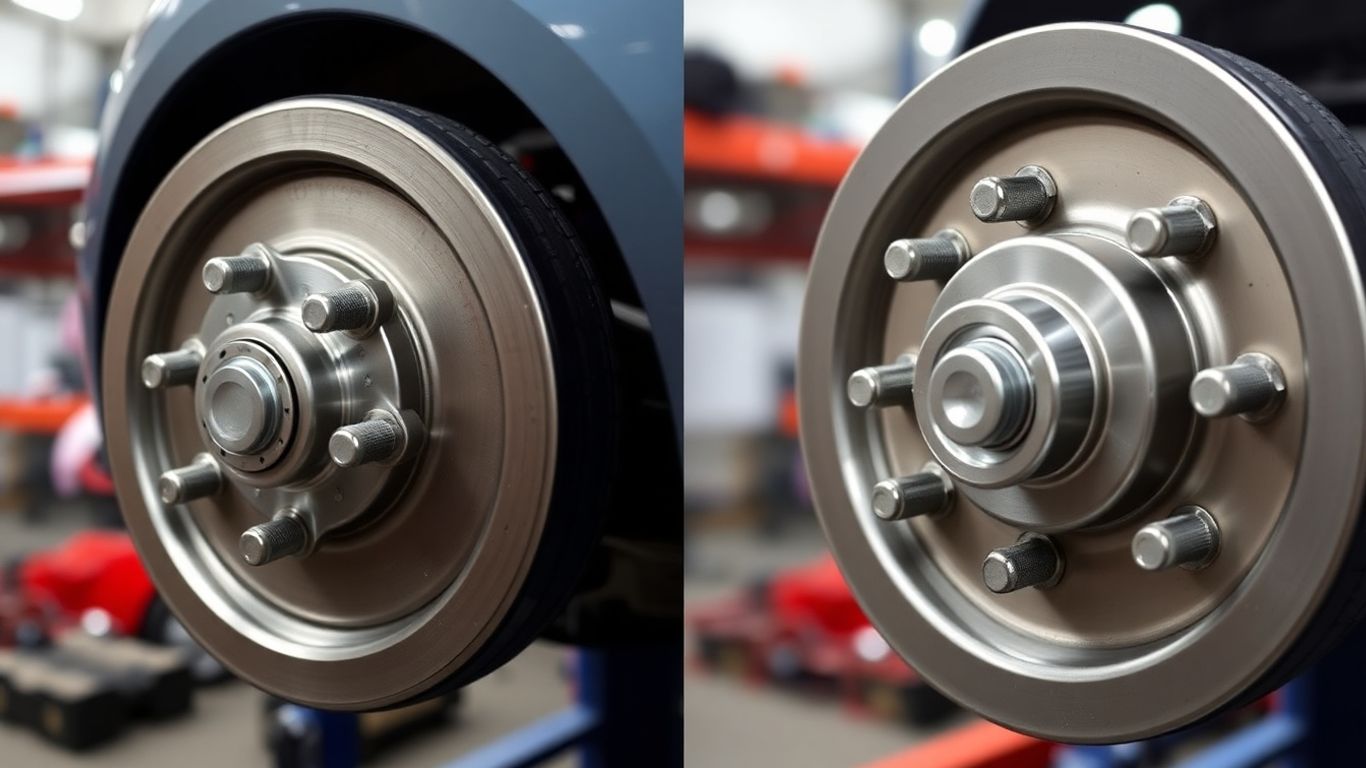
Before The Big Two: A Wheel's Humble Beginnings
Back in the day, before trucks got all fancy and complicated, putting wheels on a vehicle was… well, simpler. Think less "precision engineering" and more "hope for the best." Early wheels were often held on with a system that, frankly, makes you wonder how anything stayed attached for long. It was a time of basic bolts and maybe a prayer, where the wheel just sort of sat there, hoping gravity and a few nuts would keep it from rolling off on its own. It was a wild west of wheel mounting, and honestly, a bit terrifying if you thought about it too much.
The Dawn of the Stud-Piloted Era
Then came the stud-piloted system, often called the "Budd style." This was a big step up. Imagine this: instead of just bolts going through the wheel and into the axle, you had studs sticking out of the hub. The wheels had holes with a bit of a bevel, and these tapered lug nuts would snuggle into those bevels. The idea was that the nuts, with their matching tapered seats, would do the heavy lifting of centering the wheel. It was like giving the wheel a little hug to keep it in place. This system became the go-to for a long time, especially before the year 2000. It was reliable, it worked, and it meant you didn't have to worry quite so much about your wheels deciding to go on a solo adventure.
Enter the Hub-Piloted Hero
But as trucks got bigger and heavier, and as mechanics started looking for ways to save time (and maybe their sanity), a new contender rolled onto the scene: the hub-piloted system. This is the modern champ, the one you see on most trucks today. Instead of the studs and tapered nuts doing all the centering work, hub-piloted wheels use the wheel's center hole to fit snugly over a ridge on the hub. The lug nuts in this system are different too; they have a flat face that just clamps the wheel to the hub. It’s a cleaner, often faster way to get wheels mounted. This shift wasn't just about looks; it had real implications for maintenance and how many nuts you had to deal with. We'll get into the nitty-gritty of that soon enough.
Unmasking The Wheel Hub Mysteries
The Stud-Piloted's Beveled Beauty
Alright, let's talk about the OG of wheel mounting: the stud-piloted system. Think of it like this: the wheel has these holes with a little taper, like a tiny funnel. The lug nuts? They've got a matching bevel. When you tighten 'em down, that taper is what pulls the wheel snug and centers it on the studs. It's a classic design, and for a long time, it was pretty much the only game in town. You'll often see these on older rigs, and they've got a certain charm, like a vintage vinyl record.
- How it works: Tapered holes in the wheel meet tapered lug nuts.
- The goal: The taper does the centering.
- The downside: It relies on the stud holes themselves for alignment, which can get a bit worn over time.
This system uses the stud holes for alignment, which means if those holes get a little beat up from years of service, your wheel might not sit perfectly straight. It's like trying to balance a wobbly table on uneven legs.
Hub-Piloted's Flush Face Fun
Now, enter the hub-piloted system, the new kid on the block, relatively speaking. Instead of relying on tapered holes, these wheels use the wheel's center hole to sit squarely on a matching ridge on the hub. The lug nuts? They're pretty much flat on the side that touches the wheel. Their job is just to hold the wheel tight against the hub. It's a simpler approach, and many folks find it easier to work with.
- How it works: Wheel's center hole fits over a hub ridge.
- The goal: The hub itself does the centering.
- The upside: Less wear on the wheel holes, and generally a more stable fit.
What Your Wheel Holes Are Trying To Tell You
So, how do you tell these two apart without a degree in wheelology? It's all in the holes. Look at the wheel itself. If the holes where the studs go through have a noticeable taper or bevel, you're probably looking at a stud-piloted wheel. If those holes look pretty straight and flat, and the wheel has a big ol' hole in the middle that looks like it's meant to hug the hub, that's your hub-piloted system. It's like looking at the collar of a shirt – one is V-neck, the other is crew neck. The wheel hub bore is the key player in the hub-piloted setup, fitting snugly over the hub's projection.
| Feature | Stud-Piloted | Hub-Piloted |
|---|---|---|
| Wheel Hole | Tapered/Beveled | Flat |
| Centering Method | Tapered Lug Nuts | Hub Ridge & Bore |
| Lug Nut Face | Tapered | Flat |
The Nuts And Bolts Of It All
Stud-Piloted: A Nutty Number Game
Alright, let's talk about the hardware. With stud-piloted wheels, you're dealing with a system that's been around for a while. Think of it like this: the studs sticking out of the hub are like little fingers, and the wheels have holes with a bit of a bevel. You then use lug nuts that also have a taper to snug everything up. Sounds simple, right? Well, here's where it gets a little nutty. For dual wheels (those two wheels side-by-side on one axle), you need nuts on both the inside and the outside. That means a grand total of 20 nuts for a set of duals. If your rig has tandem axles front and back, you're looking at a whopping 160 nuts to keep everything in place. Plus, you need different kinds of nuts – some with right-hand threads and some with left-hand threads, depending on which side of the truck you're working on. It's a whole inventory management situation.
Hub-Piloted: Half The Nuts, Twice The Fun?
Now, enter the hub-piloted system. This is where things get a bit more streamlined. Instead of relying on the studs and beveled nuts for centering, hub-piloted wheels use the hub itself. There's a ridge on the hub that the wheel's center hole fits over, and the wheel is centered right there. The lug nuts in this system have a flat face and they just clamp the wheels to the hub. The best part? You only need nuts on the outside. So, for those dual wheels, you're down to just 10 nuts instead of 20. That's half the fasteners, which means less inventory to keep track of and, let's be honest, less tightening when it's time to swap wheels. It's a simpler setup, and many folks find it makes maintenance a bit less of a chore.
The Case Of The Interchangeable Hardware (Spoiler: Don't Do It!)
You might be thinking, "Can I just use whatever nuts I have lying around?" And while some nuts might physically thread onto the studs, mixing and matching hardware between stud-piloted and hub-piloted systems is a big no-no. The way these systems center wheels and apply clamping force is totally different. Using the wrong nuts can damage your wheels, your studs, or worse, lead to a wheel coming loose. It’s like trying to fit a square peg in a round hole – it just doesn't work and can cause a whole heap of trouble. Always stick to the hardware designed for your specific wheel and hub system. If you're unsure, it's always best to check with a professional or consult your vehicle's manual. For more on wheel types, you might find this page on converting Dayton wheels interesting, though it doesn't cover hardware specifics.
The number of nuts might seem like a small detail, but it adds up. Fewer nuts mean less time spent on installation and removal, and less chance of losing one in the dirt. It's a small change that can make a noticeable difference in your day-to-day operations.
When Wheel Hubs Go Rogue: Maintenance Mayhem
Stud-Piloted's Tangled Troubles
So, you've got the classic stud-piloted wheels. They've been around forever, and there's a certain charm to their old-school ways. But let's be honest, sometimes they feel like a tangled ball of yarn. The biggest headache? Those pesky tapered lug nuts. They're supposed to center the wheel, which sounds neat, but over time, the holes can get a bit worn out. Think of it like trying to fit a square peg in a slightly-less-square hole. This wear can lead to wheels not sitting quite right, and suddenly you're dealing with vibrations that make your teeth rattle or, worse, tires wearing out faster than a free donut at a truck stop.
And don't even get me started on dual assemblies. You've got nuts on the inside and nuts on the outside. That's a lot of nuts. If one of those inner rim flanges decides to call it quits, you might start breaking barrel nuts. It's a whole domino effect of mechanical misery. Plus, you need different types of nuts – right-hand and left-hand threads – which means keeping a more complicated inventory. It’s like trying to organize your sock drawer after a laundry day explosion.
Hub-Piloted: The Smoother Sailing Option?
Now, let's talk about the hub-piloted system. These guys use the hub itself, with its little metal projections (tangs, they call 'em), to center the wheel. The wheel's center hole just slides right over. The lug nuts? They just snug everything up. This setup means fewer nuts per assembly – half as many, actually. That's less tightening, less loosening, and generally less fuss. The hub-piloted system often leads to a simpler maintenance routine.
Because the hub is doing the heavy lifting for centering, you don't have that same issue with worn-out rim flanges causing problems. The nuts just clamp the wheels to the hub. It’s a cleaner design, and for many, it translates to fewer headaches down the road. Think of it as the difference between wrestling a greased pig and gently placing a perfectly ripe avocado in a bowl.
Keeping Your Wheel Hubs Clean and Mean
No matter which system you're rocking, keeping things clean is key. Rust and gunk are the enemies of a good wheel mount. They can mess with how tightly everything clamps down, and nobody wants a loose wheel. Seriously, that's a bad day waiting to happen.
Here’s a quick rundown of why cleaning matters:
- Prevents Wheel Wobble: Dirt and rust between the hub and wheel can cause uneven seating, leading to vibrations.
- Ensures Proper Clamping Force: A clean surface allows the nuts to tighten correctly, keeping everything secure.
- Extends Component Life: Grime can accelerate wear on studs, nuts, and wheel surfaces.
A little bit of elbow grease now can save you a whole lot of trouble later. Think of it as preventative medicine for your truck's feet. A good cleaning kit can make a world of difference before you bolt everything back up. It's not glamorous, but it's important.
There are even special kits out there designed to help you scrub away that stubborn rust and debris from both stud-piloted and hub-piloted setups. It’s a small step that makes a big difference in keeping your wheels happy and your journeys safe.
The Axle's Affection: Which Wheel Hub Does It Prefer?
Drive Axles: The Stud-Piloted Sweethearts
So, you've got a drive axle, huh? These guys are the workhorses, the ones doing the heavy lifting and pushing. Historically, they've had a bit of a soft spot for the stud-piloted system. Think of it like this: the studs are like sturdy arms, and the beveled holes on the wheel are like hands that grip them tight. This setup was super common for a long time, especially before the hub-piloted system really took off. It’s a robust connection, and for the sheer grunt of a drive axle, it felt pretty darn secure. Plus, there's a neat trick: if you ever get a flat on an inner dual on a stud-piloted setup, you can sometimes roll the outer tire onto a block of wood to lift the inner wheel off the ground. Handy, right? No jack needed sometimes.
Steering Axles: Hub-Piloted's Gentle Touch
Now, let's talk about the steering axle. These are the front-end guys, the ones doing all the fancy footwork. They tend to get along a bit better with the hub-piloted system. Why? Well, the hub-piloted design uses the center hole of the wheel to sit snugly over a ridge on the hub. It’s a more centered approach, and for steering, where precision matters, it can feel a bit smoother. The lug nuts in this system just clamp the wheel to the hub, no fancy bevels needed. It also means fewer nuts to deal with – half as many, in fact, compared to a stud-piloted dual setup. Less fuss, less tightening, and generally a cleaner look.
Can A Truck Be A Polyamorous Wheel Hub Lover?
Can you mix and match? Technically, yes, you could have different wheel hub systems on different axles of the same truck. Some folks might even have stud-piloted on one side and hub-piloted on the other, though why you'd want to invite that kind of complexity is beyond me. It’s like trying to date two people who hate each other – it rarely ends well. The hardware isn't always interchangeable, and trying to force it can lead to damage. It’s generally best to stick with what the axle was designed for, or at least what the manufacturer recommends. Trying to be a wheel hub polygamist is usually a recipe for a headache, or worse, a wheel coming loose.
Here's a quick rundown:
- Drive Axles: Often favored stud-piloted for its strong, direct connection.
- Steering Axles: Tend to prefer hub-piloted for its centered, precise feel.
- Mixing Systems: Possible, but generally not recommended due to complexity and potential issues.
The choice often comes down to the axle's job. Drive axles need brute force, while steering axles appreciate a bit more finesse. Trying to force one system onto an axle that prefers another is like wearing flip-flops to a marathon – it's just not going to end well.
Aluminum vs. Steel: Do Wheel Hubs Play Favorites?
So, you've got your shiny aluminum wheels, or maybe you're rocking the classic steel look. Does it even matter which type of wheel hub system you've got when it comes to the metal your wheels are made of? Honestly, it's less about the wheel material playing favorites and more about how the hub system interacts with the wheel's design. Think of it like this: you wouldn't wear flip-flops to a blizzard, right? Same idea here.
Aluminum Wheels: Sleek and Stud-Piloted
Aluminum wheels often get paired with stud-piloted systems. Why? Well, those tapered lug nuts in a stud-piloted setup can really grab onto the beveled holes in aluminum wheels. It's a snug fit, and for a long time, this was the go-to combo. Plus, let's be real, aluminum wheels just look pretty slick, and the stud-piloted system, with its visible studs, kind of fits that aesthetic. It's like the classic leather jacket of wheel setups.
Steel Wheels: The Classic Hub-Piloted Choice
Now, steel wheels? They often find their happy place with hub-piloted systems. Hub-piloted wheels use the center of the wheel to line up on a ridge on the hub. This works great with steel wheels, which are typically a bit more forgiving and robust. The lug nuts in a hub-piloted system just clamp the wheel down, and steel wheels handle that pressure just fine. It's a no-fuss, get-the-job-done kind of pairing.
Does It Really Matter For Your Wheel Hubs?
Here's the kicker: while there are common pairings, the hub system is determined by your axle, not your wheel material. You can't just slap any wheel on any hub. If your axle is set up for stud-piloted, you need wheels with beveled holes. If it's hub-piloted, you need wheels that center on the hub. Trying to mix and match is like trying to fit a square peg in a round hole – it just doesn't work and can cause some serious headaches (and damage).
- Stud-Piloted: Relies on tapered lug nuts and beveled wheel holes for centering. Think of it as the lug nuts doing the heavy lifting for alignment.
- Hub-Piloted: Uses the wheel's center hole to align with a hub ridge. The lug nuts are just there to hold it all together.
- The Big Rule: Always match the wheel type to your axle's hub system. Don't guess!
Trying to force a wheel designed for one system onto the other is a recipe for disaster. It can lead to uneven pressure, premature wear, and, in the worst-case scenario, a wheel coming loose. Stick to what the axle was designed for, and your wheels will thank you by staying put.
The Muddy Truth About Wheel Hubs
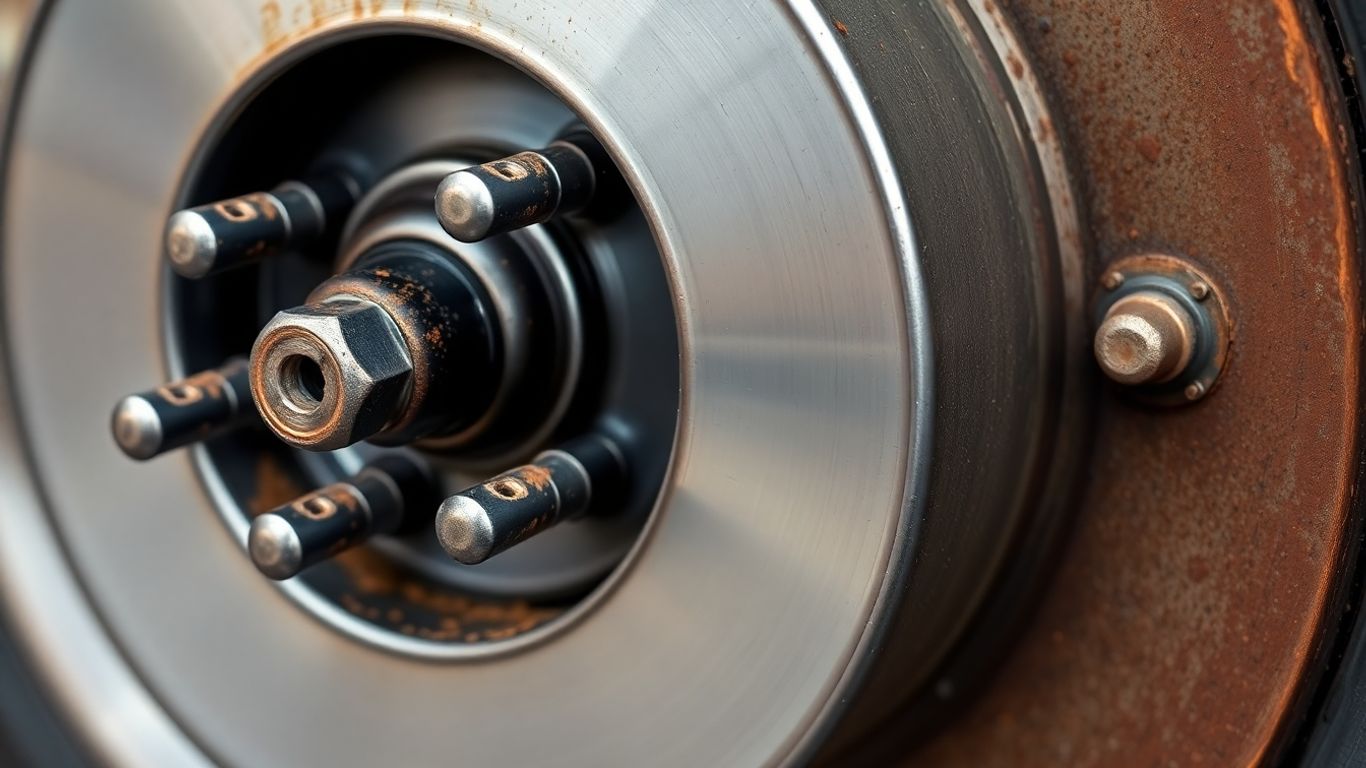
Dayton Wheels: The Mud Magnets
Ah, Dayton wheels. These are the old-school beauties, the ones you might see on some classic rigs or specialized trucks. They've got a certain charm, but let's be honest, they're basically giant, metal frisbees with spokes. And like any good frisbee, they're designed to catch everything. Mud, rocks, that rogue squirrel that ran across the road – it all finds a cozy home in the nooks and crannies of Dayton wheels. Cleaning these bad boys is less of a maintenance task and more of an archaeological dig. You'll need a good pressure washer, a lot of patience, and possibly a hazmat suit.
- The biggest downside? They're notorious for collecting gunk. This isn't just unsightly; it can actually affect wheel balance and, over time, cause corrosion.
- Maintenance Tip: If you've got Dayton wheels, consider investing in some serious wheel-end maintenance kits. You'll need them.
- The upside? Some folks swear they're easier to change on the side of the road because you can sometimes lift the outer wheel by rolling the inner one onto a block of wood. Ingenious, right? Or maybe just a way to avoid using a jack.
Disc Wheels: The Crap Collectors
Now, disc wheels, whether they're stud-piloted or hub-piloted, have their own special way of hoarding debris. The inner dual wheel, in particular, often develops a sort of "dish" shape along its inner edge. This isn't a design feature; it's more like a built-in mud trap. Water and muck just love to hang out there, chilling by the axle. It's like a tiny, unwanted spa day for your wheel components. This trapped moisture can lead to rust and, you guessed it, more headaches down the line. Trying to get a hose in there to clean it out is like trying to give a cat a bath – messy, difficult, and likely to end with you getting scratched.
The design of disc wheels, especially the inner duals, creates a perfect little pocket for dirt and water to accumulate. This isn't just an aesthetic issue; it can lead to corrosion and affect the wheel's integrity over time.
Why Can't We Just Have Nice, Clean Wheel Hubs?
Honestly, it boils down to design and function. The goal is to keep the wheels securely attached to the hub, and sometimes, the most effective designs aren't the easiest to clean. Stud-piloted wheels, with their beveled holes and multiple nuts, can be a bit more prone to collecting dirt around the fasteners. Hub-piloted wheels, while generally simpler, still have that inner dual wheel that can become a muck magnet. The best advice? Regular cleaning is key, no matter what type of wheel you have. Think of it as preventative medicine for your truck's feet. And if you're looking for different types of off-road wheels, remember that cleaning will be a factor for all of them.
Ever wondered what's really going on with your wheel hubs? They might seem simple, but keeping them clean is super important for your car's safety and how well it runs. Dirt and gunk can cause big problems if you're not careful. Want to learn how to keep your wheel hubs in top shape and avoid nasty surprises? Head over to our website for all the details and the best tools to get the job done right!
So, Which Wheel is Right for You?
Alright, we've gone through the nitty-gritty of hub-piloted versus stud-piloted wheels. Honestly, picking between them can feel like choosing between two slightly different flavors of slightly confusing. Stud-piloted wheels have been around forever, like that old reliable pair of jeans, but they can be a bit of a pain with all those nuts. Hub-piloted wheels are the newer kid on the block, simpler to deal with, and generally mean fewer trips to the parts store for extra hardware. In the end, it's less about which one is 'better' and more about what makes sense for your rig and your wallet. Just remember to keep 'em clean and tight, no matter which style you've got bolted on. Happy hauling!
Frequently Asked Questions
What's the main difference between stud-piloted and hub-piloted wheels?
Think of it like this: stud-piloted wheels use tapered nuts that fit into beveled holes on the wheel to keep it centered. The studs themselves do the guiding. Hub-piloted wheels, on the other hand, use the wheel's center hole to slide over a matching ridge on the hub. The nuts just hold the wheel tight against the hub, they don't do the centering. It's a different way to line things up!
Are hub-piloted wheels easier to work with?
Many people find hub-piloted wheels simpler. They often use fewer nuts to hold the wheel on, which can save time and effort. Plus, the way they center on the hub can sometimes make them less prone to certain types of wear compared to stud-piloted systems.
Can I use the same lug nuts for both types of wheels?
Definitely not! It's super important to use the correct nuts for each type of wheel system. Stud-piloted wheels need special tapered nuts, while hub-piloted wheels use different ones, often a flange nut. Using the wrong ones can damage your wheels or even be unsafe.
Do trucks use only one type of wheel system?
Not necessarily! A big truck might have stud-piloted wheels on one axle and hub-piloted wheels on another. It really depends on how the truck was built and what kind of hubs it has. You could even see different types on opposite sides of the same truck, though that's less common.
Do aluminum and steel wheels have a preferred system?
While you can find both aluminum and steel wheels with either system, sometimes certain types are more common with one. For example, some might associate sleek aluminum wheels more with hub-piloted systems, and classic steel wheels with stud-piloted. However, the hub on the truck is the main factor determining which wheel type will fit.
What about those old Dayton wheels?
Dayton wheels are a bit different and older. They often look like they have spokes. While they can get pretty muddy and dirty, making them harder to clean, they represent another way wheels have been attached over the years. Both stud-piloted and hub-piloted wheels are usually disc-style wheels.


