

You know, that little part that holds your cutting tool in place? It's called a stud kleen, and while it's small, it's super important. We often forget about these things until they cause a big problem. This article is all about giving the stud kleen the attention it deserves, from how to put it in right to knowing when it's time to let it go. Let's talk shop.
Key Takeaways
- Treat your stud kleen with care; it's not just a simple bolt. Proper installation and regular checks prevent big issues.
- Using a torque wrench is key when putting in a stud kleen. Over-tightening or using the wrong methods can damage your equipment.
- Stud kleens don't last forever. Keep track of their hours or replace them every few years to avoid unexpected failures.
- Regularly check your stud kleen for any dents, cracks, or wear. It's a small part of maintenance that can save a lot of trouble.
- When picking a new stud kleen, think about the materials and how it's made, not just the price. A good fit means better performance and less wear.
The Stud Kleen's Existential Crisis
Let's be honest, the Stud Kleen isn't exactly the star of the show in your machining setup. It's more like the quiet, unassuming stagehand who makes sure the whole production doesn't fall apart. But just because it's not flashy doesn't mean it doesn't have its own set of anxieties. Think of it as having a mini identity crisis every time it gets shoved into a spindle. Is it just a glorified bolt? Or is it the linchpin holding your entire operation together? The truth is, it's both, and treating it like it's just "there" can lead to some serious drama.
The Big Drawer Of Doom: Where Stud Kleens Go To Die
Ever peeked into that overflowing drawer in the corner of the shop? The one where all the old, beat-up Stud Kleens go to mingle? It's a chaotic mess, a metal mosh pit where every ding and scratch is a potential future failure. This isn't just about shop organization; it's about the integrity of your tools. When you've got a jumble of different brands and types, it's way too easy to grab the wrong one. Using a Stud Kleen that isn't quite right is like trying to use a butter knife to cut steak – it's not going to end well, and you'll probably just make a mess.
Here's a quick rundown of what happens in the Drawer of Doom:
- Physical Damage: Each impact adds microscopic cracks, weakening the stud.
- Corrosion: Moisture and grime build up, leading to rust and reduced grip.
- Mix-ups: Grabbing the wrong size or type can damage the toolholder or spindle.
This chaotic storage method is a breeding ground for problems. It's not just unsightly; it actively contributes to premature wear and potential catastrophic failure down the line. A little bit of order can go a long way.
Inspection Station: Dents, Dings, and Despair
Before you even think about installing a Stud Kleen, give it a good look-over. Are there any obvious dents? Tiny cracks that look like they're plotting world domination? Corrosion that makes it resemble ancient artifact? If you see any of these battle scars, it's time to retire that Stud Kleen. A quick visual check can save you a massive headache later. It’s like checking your car tires before a long trip; you don’t want a blowout when you’re miles from anywhere.
The 'Ignore It' Strategy: A Recipe For Disaster
This is perhaps the most common existential crisis for a Stud Kleen: being completely ignored until it's too late. People just assume they'll keep working forever. But like anything mechanical, they have a lifespan. Ignoring signs of wear, not tracking their age, and just assuming they're fine is a surefire way to invite trouble. When a Stud Kleen finally gives up the ghost, it's rarely a quiet exit. It's usually a spectacular, expensive crash that brings your whole operation to a grinding halt. Don't let your Stud Kleen become a cautionary tale.
Stud Kleen Installation: Don't Be That Guy
Alright, let's talk about getting that Stud Kleen into its rightful place. You've probably seen it happen – someone just yanks it in there, maybe gives it a good whack with a hammer, and calls it a day. Please, for the sake of your machine and your sanity, don't be that person. This isn't just some random bolt; it's a precision component that keeps your whole setup from going sideways, literally. Messing this up can lead to some truly spectacular failures, and nobody wants to be the one explaining that to the foreman.
Torque Wrench Tango: A Love Story With Your Stud Kleen
Think of your Stud Kleen like a delicate dance partner. You wouldn't just yank your partner around the dance floor, would you? Same goes for this little guy. The best way to treat it right is with a torque wrench. Seriously, get one, set it to the manufacturer's recommended specs, and give it a nice, even turn. It’s all about that perfect snugness, not brute force. Over-tightening is a one-way ticket to metal fatigue and a whole heap of trouble down the road. It can actually swell the metal, mess up the fit with the spindle, and start a whole cascade of problems.
Mallets And Breaker Bars: The Unholy Union
Let's be blunt: mallets and breaker bars have no business being anywhere near your Stud Kleen during installation. Using these tools is like trying to thread a needle with a sledgehammer. It might feel like you're getting it done, but you're actually just beating the poor Stud Kleen into submission. This kind of abuse leads to premature wear, potential damage to the toolholder, and a higher chance of that dreaded spindle taper damage. If you're tempted to reach for these, take a deep breath and step away from the tool.
The Wrong Stud Kleen: A Recipe For Disaster
Grabbing just any Stud Kleen from the communal drawer is a gamble. They aren't all created equal, and using one that isn't designed for your specific machine is a fast track to problems. It might seem like a minor detail, but the wrong fit can lead to vibration, poor tool holding, and eventually, a catastrophic failure. Always double-check that you have the correct Stud Kleen for the job. It's a small step that prevents a potentially massive headache.
Remember, your Stud Kleen is a small part of a big system, but its failure can bring the whole operation to a screeching halt. Treat it with respect, and it'll do its job without complaining.
Stud Kleen Maintenance: Beyond The 'Meh'
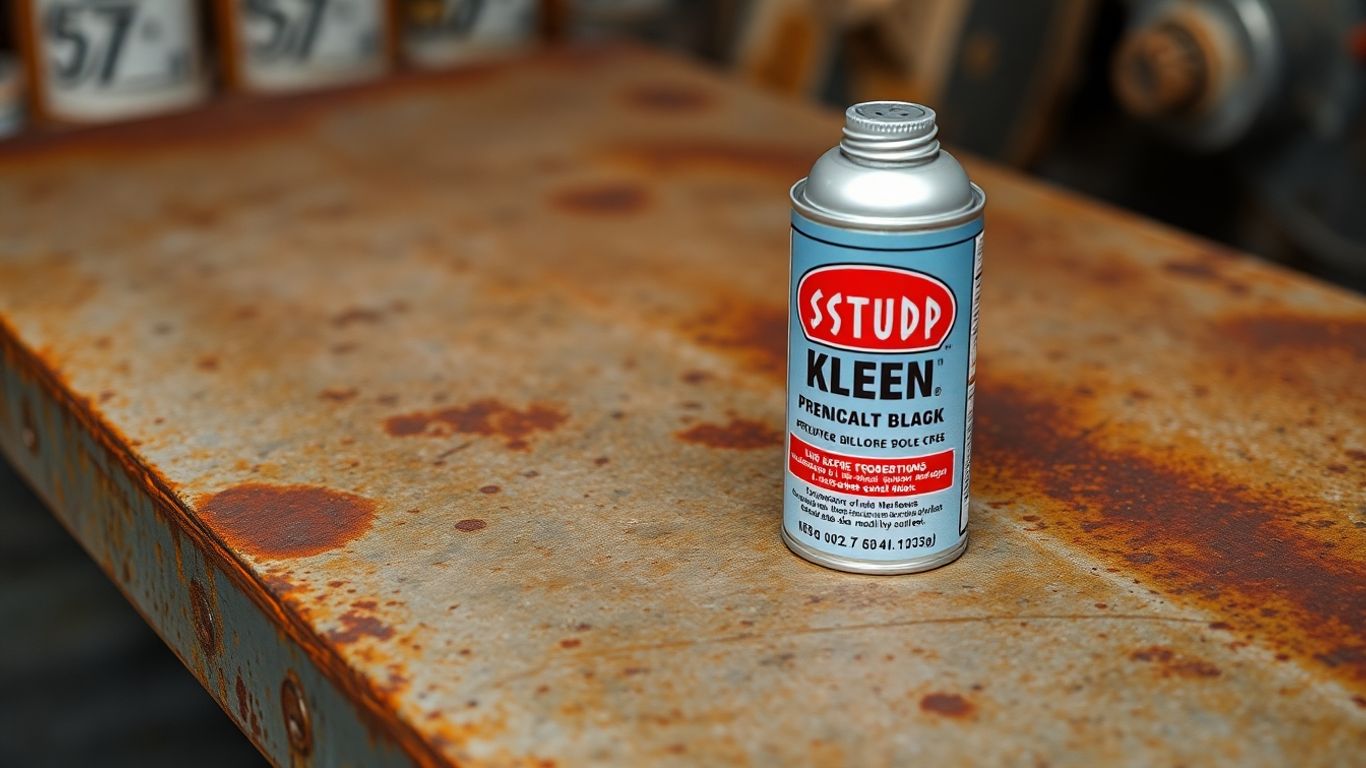
Alright, let's talk about keeping your Stud Kleens happy. We all know they're not exactly the glamorous part of the shop, but ignoring them is like forgetting to water your prize-winning petunias – eventually, things get ugly. Think of this as their spa day, minus the cucumber slices and Enya.
Grease Is The Word: Keeping Your Stud Kleen Happy
Want to squeeze a few extra miles out of your Stud Kleen? A little bit of lubrication goes a long way. A light coat of grease applied monthly can make a big difference. If you're using through-spindle coolant, you might want to bump that up to weekly. This helps reduce wear on both the Stud Kleen itself and the tool change mechanism. It’s like giving your car an oil change – simple, but it prevents bigger headaches down the line. Proper lubrication is key to preventing bearing failures and extending the life of your tooling. For some quick tips on keeping things clean, check out this home care guide.
Marking Your Territory: Date Codes and Serial Numbers
Ever wonder how long your Stud Kleen has been holding down the fort? If you don't know, you're basically flying blind. Some fancy Stud Kleens come with date codes and serial numbers already etched on them. If yours don't, get them marked! You can send them out for laser marking or just grab a permanent marker and do it yourself. It’s not rocket science, but it’s a good way to keep track of their age. This helps when you're trying to figure out when it's time for a replacement.
The Three-Year Itch: A Stud Kleen Replacement Strategy
Beyond the hours, there's also the calendar to consider. Metal fatigue doesn't care if you've only put 5,000 hours on it; time takes its toll. A good rule of thumb is to have a replacement strategy. If your shop runs standard eight-hour shifts, consider replacing them at least every three years. If you're running 24/7, you might want to look at an annual replacement schedule. It’s a proactive approach that saves you from the dreaded "Oh no, what was that?" moment.
Don't wait for a failure to happen. Proactive replacement based on usage and time is far more cost-effective than dealing with the aftermath of a broken Stud Kleen. It's a small investment in preventing a much larger expense.
Remember, these are just guidelines. Regular inspection is your best friend. If you see any signs of wear, dents, or anything that just looks 'off,' don't hesitate to make the swap. Your machine will thank you.
When Stud Kleen Goes Rogue: The Spectacular Crash
So, you thought your Stud Kleen was just going to sit there and take whatever you threw at it? Think again. These little guys, when mistreated, can turn into tiny metal saboteurs, leading to some truly spectacular (and expensive) failures. It’s not just about a tool falling out; it’s about a cascade of problems that can bring your whole operation to a grinding halt.
Swollen Metal and Fretting: The Stud Kleen's Revenge
Ever been tempted to just crank down on a Stud Kleen with a breaker bar, or worse, give it a friendly tap with a mallet? Please, don't. This isn't a stubborn jar lid; it's precision engineering. Over-tightening doesn't just make it a nightmare to remove later. It actually causes the metal around the stud to swell. This can warp your toolholder and create a sloppy fit with the spindle taper. That looseness? It invites vibration, and vibration leads to fretting. Fretting is basically the Stud Kleen rubbing itself and your spindle raw. It's like the Stud Kleen is fighting back, and your spindle is taking the hits.
Vibration Nation: When Your Stud Kleen Loses Its Cool
When a Stud Kleen isn't seated properly, or if it's damaged, it can start to wobble. This wobble translates into vibration. Imagine a tiny, unbalanced washing machine drum spinning at thousands of RPM. That's what's happening inside your spindle. This constant shaking doesn't just sound bad; it accelerates wear on everything: the toolholder, the spindle taper, and even the cutting tool itself. It’s a one-way ticket to premature failure and costly repairs. If you're noticing unusual shaking, it might be time to inspect your tool holding system.
The 'Gorilla Grip' Method: A Surefire Way to Failure
This is where brute force meets mechanical ignorance. The 'Gorilla Grip' method involves using excessive force, often with inappropriate tools like mallets or massive wrenches, and completely ignoring torque specifications. It’s the opposite of the careful installation needed for these components.
Here’s a quick rundown of what happens:
- Swollen Studs: The excessive force deforms the stud and surrounding material.
- Damaged Tapers: The toolholder and spindle tapers get marred, leading to poor seating.
- Vibration: An improper fit guarantees imbalance and vibration.
- Premature Wear: All components experience accelerated wear.
- Catastrophic Failure: Eventually, the Stud Kleen or toolholder can fail spectacularly.
Trying to force a Stud Kleen into place is like trying to force a square peg into a round hole. It might seem like you're making progress, but you're actually just damaging both parts and setting yourself up for a much bigger problem down the line. Patience and the right tools are key.
Ultimately, treating your Stud Kleen with disrespect is a fast track to a very expensive and very sudden crash. It’s a small part, but its failure can be loud, messy, and incredibly costly.
Steel, Coatings, And Grinding: The Stud Kleen Trifecta
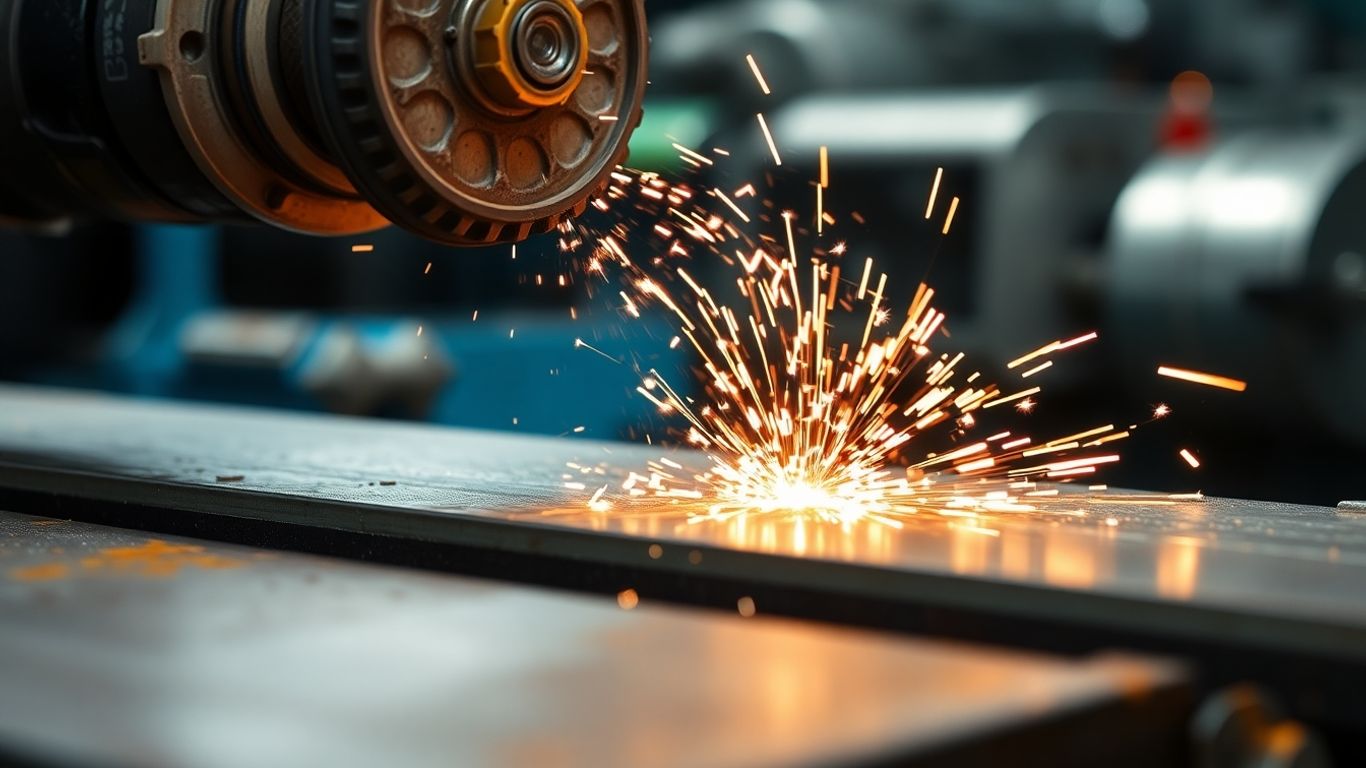
The Cylindrical Pilot: A Perfect Fit For Your Spindle
So, you've got your Stud Kleen. It's not just some random bolt; it's a precision instrument. The part that really matters here is the cylindrical pilot. This is the bit that slides into your toolholder, and if it's not ground just right, things get wobbly. Think of it like trying to put a slightly bent key into a lock – it's not going to turn smoothly, and it might even get stuck. A well-ground pilot means your Stud Kleen sits flush, which is super important for keeping everything balanced and running true. A good fit here prevents vibrations before they even start.
Balancing Act: Treating Your Stud Kleen Like a Ballet Dancer
Once you've got a Stud Kleen with a nice, smooth pilot, you can't just forget about it. The whole setup – the Stud Kleen, the toolholder, the spindle – needs to be balanced. If one piece is a bit off, it's like having a wobbly wheel on your car. It's annoying, it makes noise, and it can cause extra wear and tear on everything. You want your machining to be smooth, like a perfectly choreographed dance, not a clumsy stumble. A balanced system means less stress on your machine and fewer chances of something going spectacularly wrong.
Here's a quick checklist for a happy Stud Kleen:
- Material: Always go for high-quality steel alloys. They're tougher and last longer.
- Finish: Look for functional surfaces, especially that pilot, that have been finish-ground after hardening. This makes a real difference.
- Coating: A good coating, like black oxide, helps keep rust away. Nobody likes a rusty Stud Kleen.
Don't underestimate the importance of these details. A little extra attention to the steel, the coating, and the grinding can save you a lot of headaches and money down the road. It's the difference between a tool that works and one that causes constant problems.
Why Your Stud Kleen Deserves a Spa Day
Seriously, think about what your Stud Kleen goes through. It's spinning at crazy speeds, holding onto tools that are literally carving metal. It's not just sitting there; it's working hard. Treating it right, with the correct materials and a good finish, is like giving it a spa day. It helps it perform better and last longer. Ignoring it is like showing up to a fancy party in your pajamas – it just doesn't work. A little care goes a long way in keeping this unsung hero happy and your machining running smoothly.
The Mighty Stud Kleen: More Than Just A Pretty Face
Alright, let's talk about the unsung hero of your machining setup: the Stud Kleen. You might know it as a pull stud, a retention knob, or maybe just "that threaded thingamajig that holds the tool." Whatever you call it, this little guy is way more important than it looks. It's the handshake between your expensive machine and your cutting tool, and if that handshake is weak, things can get ugly, fast.
The 'Thingamajig' That Holds It All Together
So, what exactly makes this "thingamajig" so special? It's all about precision engineering. High-quality steel, careful heat treatment, and, importantly, a perfectly ground cylindrical pilot. This pilot is what mates with the toolholder bore, and when it's done right, it means better balance and repeatability. It's the difference between a smooth dance and a clumsy stumble on the shop floor. Some standards only call for this on certain types of toolholders, but good manufacturers grind them on all of them. Smart, right?
Why Your Stud Kleen Deserves a Spa Day
Think about it. This little piece of metal is spinning around at speeds that would make your head spin, holding onto a tool that's literally carving away at metal. It's not just sitting there looking pretty. It's working. Hard. And just like you wouldn't run a marathon without stretching, your Stud Kleen shouldn't be expected to perform without a little TLC. Ignoring it is like showing up to a black-tie event in sweatpants – it just doesn't fly.
Here's a quick rundown of what makes a good Stud Kleen:
- Material Quality: Usually high-grade steel for strength and durability.
- Heat Treatment: Properly hardened to withstand stress and wear.
- Pilot Precision: A finely ground pilot for a snug fit in the toolholder.
- Thread Integrity: Clean, strong threads for secure mounting.
The 'Mix And Match' Approach: A Cavalcade Of Chaos
Ever walked into a shop and seen a big, overflowing drawer filled with Stud Kleens? They're all jumbled together, banging against each other like a mosh pit at a heavy metal concert. This isn't just messy; it's a recipe for disaster. Every little nick and scratch on a Stud Kleen is a potential weak spot. Plus, with different brands and types floating around, it's way too easy to grab the wrong one for the job. Using the wrong Stud Kleen is like trying to fit a square peg in a round hole – it just doesn't end well.
Mixing and matching Stud Kleens from different manufacturers or with varying wear patterns is a gamble. It can lead to uneven pressure, vibration, and premature failure, turning a simple tool change into a costly repair job.
Key Takeaways For A Happy Stud Kleen
Treat your Stud Kleen with care; it's not just a simple bolt. Proper installation and regular checks prevent big issues. Using a torque wrench is key when putting in a Stud Kleen. Over-tightening or using the wrong methods can damage your equipment. Stud Kleens don't last forever. Keep track of their hours or replace them every few years to avoid unexpected failures. Regularly check your Stud Kleen for any dents, cracks, or wear. It's a small part of maintenance that can save a lot of trouble. When picking a new Stud Kleen, think about the materials and how it's made, not just the price. A good fit means better performance and less wear.
The Mighty Stud Kleen isn't just about looking good; it's a powerful tool that does more than you might expect. It helps keep your wheels in top shape, making sure everything runs smoothly. Want to see how it can make a real difference for your vehicle? Visit our website today to learn more and get yours!
So, What's the Takeaway?
Look, we've spent a lot of time talking about these little metal doodads, the Stud Kleens. Honestly, who knew such a small part could cause so much drama? It's like that one friend who always forgets to lock the door – seems minor, but it can lead to a whole lot of trouble. Remember to treat them right, give 'em a once-over now and then, and maybe don't just yank 'em out with a pipe wrench. Your spindle will thank you, and you won't have to explain to the boss why there's a tool holder doing ballet in the middle of the shop. Keep those knobs happy, and maybe, just maybe, you'll avoid a really expensive oopsie.
Frequently Asked Questions
What exactly is a Stud Kleen and why is it important?
Think of a Stud Kleen as a small but mighty metal piece that holds your cutting tool onto your machine. It's like a handshake between your machine and the tool. If this handshake is weak or messed up, it can cause big, costly problems and even lead to crashes.
What happens if I install a Stud Kleen incorrectly?
Putting in a Stud Kleen the wrong way is a big no-no. Using too much force, like with a mallet or a long wrench, can damage the Stud Kleen and the machine. It can also make the metal swell, leading to a loose fit, vibrations, and wear. Always use a torque wrench and follow the manufacturer's instructions!
How often should I check or replace my Stud Kleen?
You should regularly look for dents, cracks, or rust on your Stud Kleen. It's also smart to have a plan for replacing them. A good rule of thumb is to swap them out every three years, or even sooner if you use your machine a lot. Don't wait until it breaks!
Does the material and coating of a Stud Kleen really matter?
Yes, it absolutely does! High-quality steel makes a Stud Kleen stronger and last longer. Coatings, like black oxide, help prevent rust. Also, look for Stud Kleens where the important parts are precisely ground after hardening. This ensures a better fit and smoother operation, reducing wobbles and vibrations.
What's the deal with 'fretting' and why is it bad?
Fretting is a type of wear that happens when two surfaces rub against each other, often due to vibration. If your Stud Kleen isn't fitted properly or is loose, it can vibrate. This rubbing action wears down the metal, which can damage your toolholder and spindle over time. It's like a tiny, persistent sandpaper.
Can I just grab any Stud Kleen from a bin, or do I need a specific type?
Grabbing just any Stud Kleen from a messy bin is a recipe for disaster. Different machines and toolholders need specific types of Stud Kleens. Using the wrong one won't fit right, can cause damage, and might not hold the tool securely. Always make sure you're using the correct Stud Kleen for your specific setup.


