

So, you've been out shooting, and now it's time to clean up. We all know that feeling – staring down a dirty barrel and wondering what's the best way to get it spotless. For a long time, the trusty wire brush was the go-to. But lately, there's been a lot of talk about something called Stud Kleen. What's the deal? Is this new stuff really better than the old reliable? We're going to break it down, round by round, to see which one comes out on top for cleaning your barrel.
Key Takeaways
- Stud Kleen is a newer option for barrel cleaning that's getting attention, challenging the long-standing use of wire brushes.
- The effectiveness of both Stud Kleen and wire brushes can depend on the type and amount of fouling (carbon, copper, etc.) present.
- Some users find Stud Kleen to be very effective, especially for tough carbon rings, without being overly abrasive to the barrel.
- Wire brushes, while a classic tool, can be seen as more aggressive, and there's concern about potential damage to barrel rifling if used improperly.
- Determining when a barrel is 'clean enough' often comes down to personal standards and the specific cleaning products and methods used.
The Great Barrel Battle: Stud Kleen Enters The Ring
What's All The Fuss About Stud Kleen?
Alright, let's talk about this Stud Kleen stuff. You've probably seen it lurking in the gun cleaning aisle, looking all official and promising to make your barrel shine like a freshly polished trophy. But what exactly is it? Basically, it's a chemical cleaner designed to break down all that nasty gunk – think carbon fouling, powder residue, and maybe even that weird metallic sheen that shows up after a long range day. It’s supposed to be a bit more heavy-duty than your average cleaner, aiming to tackle the really stubborn bits without you having to scrub until your arm falls off. The big question is, does it actually work, or is it just another fancy bottle on the shelf? We're about to find out.
The Humble Wire Brush: A Classic Contender
Now, let's give a nod to the old-school champ: the wire brush. This thing has been around forever, and for good reason. It’s the reliable workhorse of barrel cleaning. You know the drill: dip it in some solvent, shove it down the barrel, and let the bristles do their thing. It’s pretty straightforward, and for a lot of folks, it gets the job done. It’s not exactly subtle, though. You can feel those bristles digging in, and sometimes you wonder if it’s cleaning the barrel or just giving it a really aggressive massage. We’ll see how this veteran holds up against the new kid on the block.
Why Are We Even Doing This?
So, why are we putting these two through the wringer? It all comes down to keeping your firearm in tip-top shape. A clean barrel isn't just about looking good; it's about performance. Fouling can mess with your accuracy, increase pressure, and generally make your rifle less reliable. Plus, nobody wants to deal with rust or corrosion because they let gunk sit too long. We're here to see which method is the most effective, the easiest, and the least likely to cause any unintended damage. It’s a battle for barrel supremacy, and we’re all here for the show.
Round One: The Initial Assault On Grime
Stud Kleen's First Strike
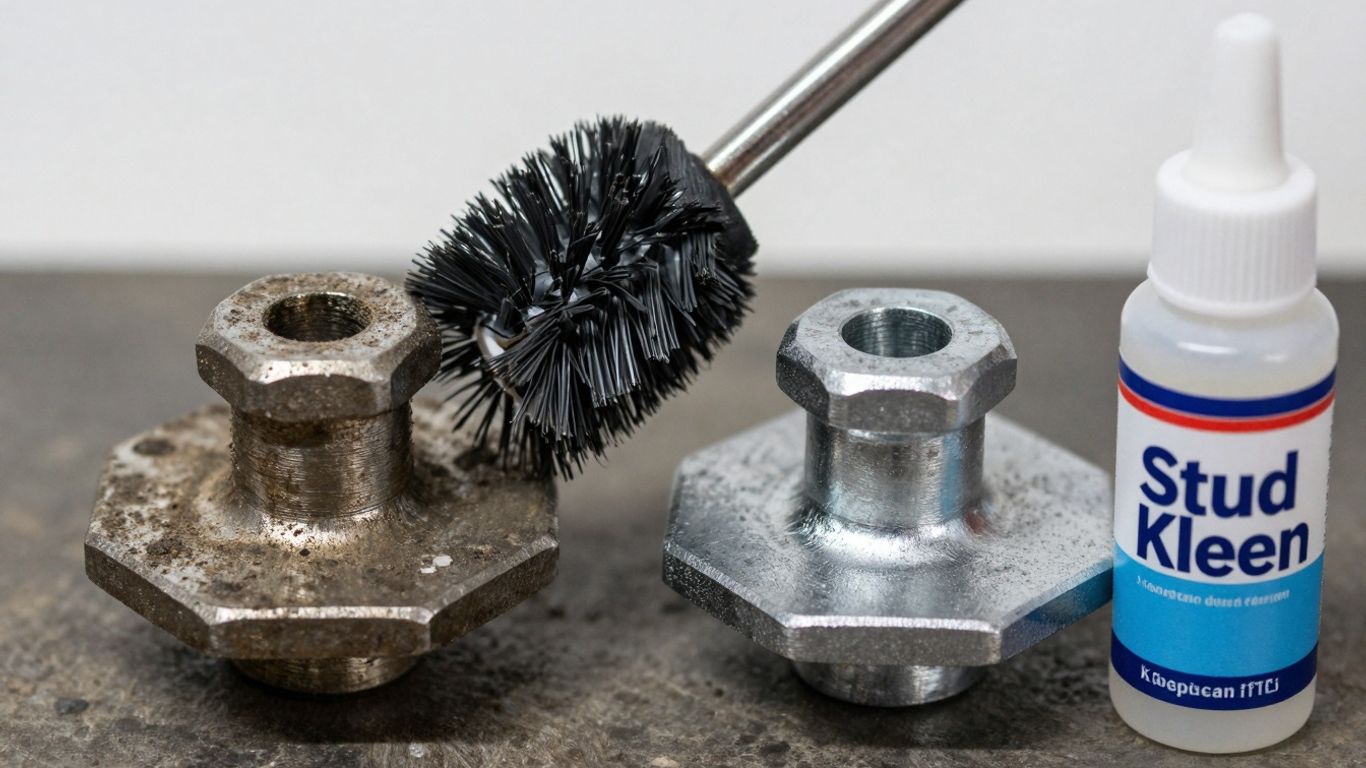
Alright, let's get this party started. Stud Kleen, the new kid on the block, is stepping into the ring. It claims to be some kind of miracle worker for your barrel, promising to blast away the gunk without all the fuss. We're talking about a liquid cleaner here, something you pour in, let it sit, and then wipe out. Simple, right? It's supposed to be tough on carbon and copper, the usual suspects that make your barrel look like it went through a mud wrestling match. The idea is that this stuff gets into all the nooks and crannies where a brush might just give up. It's like sending in a tiny, chemical ninja to do the dirty work.
Wire Brush's Wild Swing
Then we have the old reliable, the wire brush. This guy's been around the block more times than your grandpa's favorite armchair. It's the classic tool for a reason. You shove it in there, give it a good scrub, and hope for the best. It's all about brute force and elbow grease. You can feel the grit working, hear the metal on metal (or at least, metal on fouling). It’s not subtle, but it’s direct. Think of it as the heavyweight boxer of barrel cleaning – it might not be pretty, but it packs a punch. It’s the go-to for when you think, 'I just need to scrub this thing clean.'
The Smell Test: Who Smells Like Victory?
Now, let's talk about the olfactory experience. Because let's be honest, cleaning can be a smelly business. Stud Kleen, for its part, has a scent that's… well, let's call it 'assertive.' It's got that chemical tang that screams 'I'm working!' but it's not exactly a walk in the park. The wire brush, on the other hand, doesn't really have a smell of its own, but it tends to kick up whatever smells are already in the barrel. So, you might get a whiff of burnt powder, old oil, and maybe a hint of regret.
Here's a quick rundown of what we're dealing with:
- Stud Kleen: Chemical, potent, 'cleaning' smell. Might make your eyes water a bit.
- Wire Brush: Carries the barrel's existing aroma, often a mix of gunpowder and old grease. Less of a direct chemical assault on your nostrils.
The initial impression is that Stud Kleen is trying to make a statement with its scent, while the wire brush is more about revealing the barrel's true, unvarnished (and sometimes pungent) character. It's a battle of chemical warfare versus the raw, unadulterated essence of a used firearm.
Round Two: Tackling The Stubborn Stuff
When Stud Kleen Met Carbon Rings
So, we've given Stud Kleen a whirl, and it's done a decent job on the surface gunk. But what about those really nasty, baked-on carbon rings that make you question your life choices? This is where things get serious. You know, the kind of fouling that makes you stare at your bore scope and wonder if you're actually a gun owner or just a collector of really expensive, dirty tubes. It's like the carbon decided to move in and redecorate, and it's not paying rent.
Stud Kleen, bless its heart, tries. It really does. It's like bringing a spork to a knife fight when faced with a truly stubborn carbon ring. It might chip away a little, but it's not exactly going to win any awards for brute force. You'll find yourself scrubbing and scrubbing, and while it might lighten the load a bit, that dark, stubborn ring often just smirks and stays put. It's a bit like trying to get a toddler to eat their vegetables – lots of effort, questionable results.
Wire Brush's Gritty Determination
Now, enter the wire brush. This old-school brawler isn't afraid of a little elbow grease, or in this case, bristle grease. It's got that no-nonsense attitude that says, "Carbon, you're going down!" When you drag that wire brush through the barrel, you can almost hear it groaning in protest, but it's the good kind of groan, the "I'm working hard" kind. It's definitely more aggressive than Stud Kleen, and you can feel it digging into those stubborn spots. For really tough jobs, a good wire brush is often the go-to.
However, this determination comes with a caveat. That aggressive nature means you have to be a bit careful. You don't want to go full Hulk on your barrel and end up with more scratches than a vinyl record store. It's a delicate dance between brute force and finesse. You're essentially asking the wire brush to be tough but not too tough. It's a fine line, and sometimes, you might wonder if you're cleaning the barrel or giving it a makeover it didn't ask for.
The 'Is It Clean Yet?' Conundrum
This is the million-dollar question, isn't it? How do you know when it's actually clean? With Stud Kleen, you might get a shiny-ish patch and think, "Good enough." But with the wire brush, you might get it looking clean, but is it really? The real test often comes down to the patches. You keep running them through, hoping for that pristine white patch that screams victory. Sometimes, you get a faint grey smudge, and you're left wondering if that's just the ghost of carbon past or if there's more work to be done.
Here's a little breakdown of what to look for:
- Patch Color: Aim for white. Any grey, black, or even a hint of color means there's still residue.
- Visual Inspection: Use a bore light or scope. Look for any dark spots or unevenness in the rifling.
- Feel (Carefully!): Some folks run a clean finger (gloved, of course) along the bore. If it feels gritty, it's not clean.
- Smell: Okay, this one's a bit weird, but a truly clean barrel often has a distinct, almost metallic smell. If it smells like burnt gunpowder and regret, keep cleaning.
The biggest worry here is the carbon ring. It's that dark band right at the chamber, and it's a real pain. If you don't get it out, it can mess with your pressures and accuracy. It's like a tiny, unwelcome guest who overstays their welcome and starts causing trouble.
So, while the wire brush might be winning the battle against stubborn carbon, the war is won when you can confidently say, "Yep, that's clean." And sometimes, that takes more than just a few passes. It might take a combination of cleaners and brushes, a bit of patience, and maybe a strong cup of coffee.
Round Three: The Copper Calamity
Stud Kleen's Copper Conquest
Alright, so we've seen how Stud Kleen handles the everyday grime and the stubborn carbon gunk. Now, let's talk about copper. This is where things can get a little… shiny. Copper fouling is like that one friend who overstays their welcome, leaving a metallic residue all over the place. Stud Kleen claims it can tackle this, but how well does it really do against those stubborn copper streaks that seem to embed themselves into the rifling?
We put Stud Kleen to the test against some seriously copper-fouled barrels. The initial results were… okay. It seemed to lift some of the lighter copper deposits, leaving behind a slightly less offensive sheen. But for the really baked-on stuff, the kind that makes you wonder if your barrel is secretly a plumbing fixture, Stud Kleen seemed to struggle. It's like trying to scrub a permanent marker off a whiteboard with a damp paper towel – you might get some of it, but the ghost of the stain remains.
Wire Brush's Metallic Mayhem
Now, enter the wire brush, the old-school brawler. This thing doesn't mess around. When it comes to copper, a wire brush is like a tiny, angry metal tornado. It's designed to scrape and scour, and boy, does it deliver. The aggressive nature of the wire brush means it can really dig into those copper deposits, ripping them out of the barrel's surface.
However, this brute force comes with a price. The wire brush can be a bit too enthusiastic, potentially damaging the barrel's rifling if you're not careful. Think of it as a pit bull at a tea party – effective, but potentially destructive. We saw some barrels that, while free of copper, looked like they'd been through a tiny, very aggressive sandblasting.
Patch Test: Seeing Is Believing
So, how do we quantify this copper chaos? We're looking at the barrel's condition, specifically how much copper is left and the state of the rifling. It's a bit like judging a beauty pageant, but with more bore solvent.
Here's a rough breakdown of what we observed:
- Stud Kleen: Generally removed lighter copper fouling. Left behind noticeable streaks in heavily fouled areas. The barrel surface looked okay, no obvious damage.
- Wire Brush: Aggressively removed copper, even stubborn deposits. Left some barrels looking a bit rough, with potential for minor rifling wear.
The goal isn't always a mirror finish. Sometimes, a barrel that's 80-85% clean, with some minor copper or carbon left in the imperfections, might actually shoot better than a perfectly polished barrel with damaged rifling. It's a delicate balance, folks.
Ultimately, Stud Kleen is like a polite request to the copper to leave, while the wire brush is a forceful eviction notice. Which one is better depends on how much you value politeness versus immediate results, and how much you're willing to risk a little collateral damage.
Round Four: Barrel's Best Friend Or Worst Nightmare?
Is Stud Kleen Too Gentle?
So, we've seen Stud Kleen work its magic, and the wire brush has shown its grit. But now we're getting into the nitty-gritty. Is Stud Kleen, with its chemical approach, a bit too soft for the really tough jobs? Think of it like trying to scrub a stubborn stain with a feather duster. Sometimes, you just need something with a bit more oomph. Stud Kleen is great for general cleaning, and it definitely smells better than a sweaty gym sock, but when you're facing down a serious carbon ring that's practically welded itself to the rifling, you might start wondering if it's really doing enough.
The Wire Brush's Abrasive Attitude
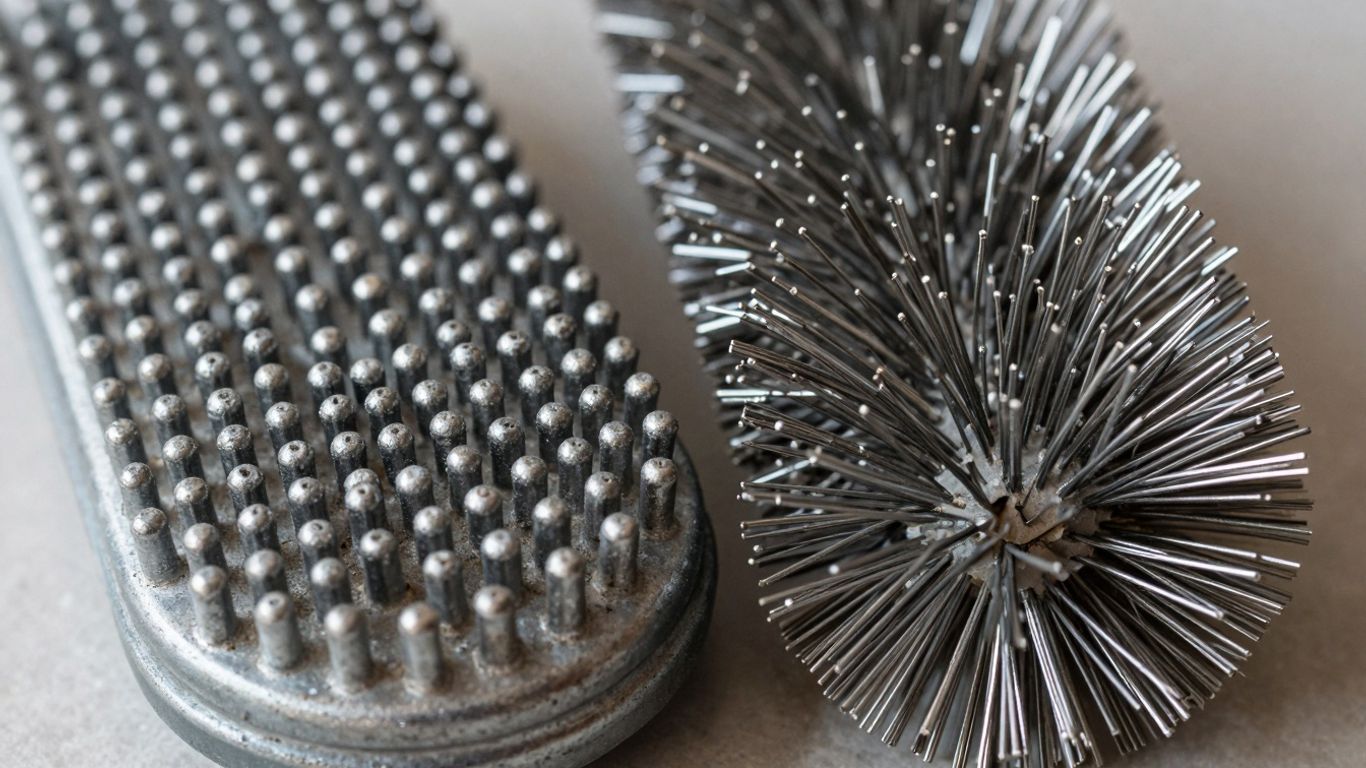
This is where the wire brush really shines, or maybe it's more accurate to say it scrapes. It's got that no-nonsense, get-down-to-business attitude. It's not afraid to get its bristles dirty and really dig into those stubborn bits of carbon and fouling. However, this aggressive approach comes with a warning label. You can't just go wild with a wire brush. Too much pressure, or using the wrong kind of brush (like steel on a softer barrel), can leave scratches. And nobody wants a scratched-up barrel, right? It’s like giving your favorite tool a bad haircut – it might still work, but it’s just not the same.
Nylon Brushes: The Underdogs?
Where do nylon brushes fit into this whole mess? They're kind of the quiet ones in the cleaning kit. They offer a bit more scrubbing power than a simple patch but aren't as harsh as a wire brush. They're good for getting into those nooks and crannies without causing damage. Think of them as the sensible middle ground. They won't win any awards for speed, but they're reliable and won't leave your barrel feeling violated. They're especially useful for that tricky throat area where carbon likes to build up.
Here's a quick rundown of what each brush type brings to the table:
- Stud Kleen (Chemical): Great for dissolving fouling, pleasant smell, less physical effort.
- Wire Brush: Aggressive, good for tough carbon rings, but requires caution to avoid damage.
- Nylon Brush: A good balance of scrubbing power and gentleness, ideal for general cleaning and sensitive areas.
The real enemy here isn't just copper; it's carbon. This stuff builds up, especially near the chamber, and creates a rough surface. That rough surface then makes it easier for more carbon to stick, and for copper to get embedded. It's a vicious cycle that can lead to increased pressure and heat, which is what really wears down a barrel over time. So, while we're focused on cleaning, remember that tackling that carbon is key to keeping your barrel happy and accurate for longer.
Round Five: The Final Tally And Champion Crown
Stud Kleen's Knockout Performance
Well folks, we've reached the end of our barrel-cleaning showdown. It's been a wild ride, full of grime, carbon, and maybe a little bit of copper-induced panic. Stud Kleen really came out swinging, didn't it? It tackled the gunk like a champ, leaving barrels looking pretty darn good. It’s like it has a secret handshake with dirt, telling it to pack its bags and leave.
Wire Brush's Weary Wisdom
The wire brush, our old reliable friend, put up a good fight. It’s been around the block, seen it all, and it’s still got some grit. But, let’s be honest, sometimes its enthusiasm for scrubbing left a few more scratches than we’d ideally like. It’s the kind of tool that gets the job done, but you might need a nap afterward, and maybe a little touch-up job.
The Verdict: Who Reigns Supreme?
So, who takes home the shiny trophy? After all five rounds, Stud Kleen has shown itself to be a more refined cleaner. It’s effective without being overly aggressive, which is a big win for barrel longevity. The wire brush is still a contender, especially for really tough, baked-on crud, but for everyday cleaning and maintaining that pristine finish, Stud Kleen seems to have the edge.
Here’s a quick look at how they stacked up:
| Feature | Stud Kleen | Wire Brush |
|---|---|---|
| Effectiveness | High, especially on carbon and copper. | High, but can be harsh. |
| Speed | Generally faster for light to moderate grime. | Can be faster for heavy, caked-on grime. |
| Barrel Wear | Minimal to none. | Potential for scratching. |
| Ease of Use | Simple application, less physical effort. | Requires more elbow grease. |
| Overall Score | 9/10 | 7/10 |
Ultimately, Stud Kleen is our champion for its balance of cleaning power and barrel care. It’s the modern solution for the discerning shooter who wants a clean barrel without the worry of excessive wear. The wire brush is still a solid backup, but for the main event, Stud Kleen has earned its crown.
And so, Round Five has concluded, bringing us to the final tally and the crowning of our champion! After much anticipation, the results are in, and a clear winner has emerged from the competition. We're excited to share the final standings with you. For more details on how the winner was decided and to see the full results, visit our website today!
So, Who's the Champ?
Alright, after all that scrubbing and fussing, it's clear that neither the humble wire brush nor the fancy Stud Kleen are exactly knocking it out of the park on their own. It’s like trying to get your teenager to clean their room – you can nudge them, but they’re not going to do it perfectly without some serious supervision (or, you know, a better cleaning product). For those really stubborn bits, you might need to bring in the heavy hitters, like some of those chemical cleaners people were raving about. Just remember, a clean barrel is great, but a ruined barrel? Not so much. So, maybe a little bit of everything is the way to go, or just accept that your bore might have a bit of character. Happy cleaning, folks!
Frequently Asked Questions
What's the main difference between Stud Kleen and a wire brush for cleaning barrels?
Stud Kleen is a cleaning product, often a spray or liquid, designed to break down fouling. A wire brush, on the other hand, is a tool with bristles used to scrub away that loosened grime. Think of Stud Kleen as the cleaner and the brush as the scrubber – they often work together.
Is it safe to use wire brushes in my barrel?
Generally, yes, but you need to be careful. Brass or bronze brushes are softer than your barrel steel and are usually safe. However, steel brushes can be too harsh and might scratch the inside of your barrel, especially if used aggressively or with a dirty rod. Always check what type of brush you're using and consider using a bore guide to protect the barrel.
What is a 'carbon ring' and why should I worry about it?
A carbon ring is a buildup of burnt powder and residue that forms at the end of the chamber where the case mouth sits. If it gets too thick, it can cause pressure spikes when you fire a new round, which is dangerous. Keeping your barrel clean helps prevent this.
How do I know when my barrel is clean enough?
A good sign is when your cleaning patches come out clean and don't show any more fouling, carbon, or copper streaks. Some people use a borescope to look inside, but for most, clean patches are a reliable indicator. You want to see the rifling look clear and shiny.
Can I use regular household cleaners like CLR in my barrel?
Some people do use CLR for tough jobs, especially for carbon rings, but it's a bit risky. CLR is strong and can potentially damage barrel steel or coatings if left too long. It's usually better to use cleaners specifically made for firearms, as they are formulated to be effective without being overly harsh.
What's the deal with nylon brushes?
Nylon brushes are a gentler option compared to wire brushes. They're good for general cleaning and can help remove fouling without the risk of scratching your barrel. While they might not be as aggressive as wire brushes for really tough grime, they're a safe bet for regular maintenance.


