

Skipping out on cleaning your office, especially the nooks and crannies like your server hubs, might seem like a good way to save a buck in the short term. But honestly, it's a bit like ignoring a leaky faucet – a small problem that can turn into a huge mess. That dust and grime aren't just sitting there; they're actively causing trouble, leading to all sorts of unexpected costs that hit your wallet and your workflow. We're talking about everything from broken equipment to unhappy employees and even a dinged-up business reputation. Let's get real about why keeping things clean, especially with the right hub cleaning tools, is way more important than you might think.
Key Takeaways
- Neglecting regular cleaning, particularly of sensitive areas like server hubs, can lead to significant hidden costs that far outweigh the perceived savings.
- A dirty workspace negatively impacts employee productivity, morale, and can increase sick days, directly affecting your business's bottom line.
- Skipping maintenance and cleaning can cause equipment to fail prematurely, leading to expensive repairs, downtime, and a shortened lifespan for your valuable assets.
- Professional cleaning services offer consistent results and use specialized hub cleaning tools, saving you time and ensuring a higher standard of cleanliness than DIY efforts.
- Investing in proper cleaning and maintenance, including using the right hub cleaning tools, protects your equipment, improves efficiency, and maintains a professional image for clients.
The Dust Bunnies Are Plotting World Domination
When Productivity Takes a Vacation
Let's be honest, nobody feels like a productivity ninja when they're wading through a sea of forgotten coffee cups and mysterious desk-crumb formations. It's like your workspace is actively trying to sabotage you. You spend precious minutes hunting for that stapler that's probably buried under a week's worth of mail, or you're trying to focus while a rogue dust bunny does a solo interpretive dance across the floor. It's not just messy; it's a subtle, yet effective, productivity killer. That feeling of 'ugh, where do I even start?'? That's the dust bunnies winning.
The Germs Are Having a Party
Think about it. That keyboard you bash away at all day? It's probably seen more action than a celebrity's phone. And the communal fridge? Let's not even go there. When hubs aren't cleaned regularly, they become a five-star resort for germs. They're having a grand old time, multiplying like rabbits, and frankly, they're not paying rent. This isn't just about a little sniffle; it's about your team getting hit with the full-on flu because someone didn't wipe down the shared microwave. It's a silent epidemic waiting to happen.
First Impressions: More Than Just a Pretty Face
So, a client walks in. What do they see? If your hub looks like a tornado had a disagreement with a filing cabinet, they're not exactly going to think, 'Wow, this place is run by organized geniuses!' They might subtly (or not so subtly) wonder if the same level of chaos extends to their project. A clean, tidy space signals professionalism, attention to detail, and that you actually care about your environment. A messy one? Well, it sends a different, less flattering message. It's like showing up to a job interview in pajamas – it just doesn't scream 'hire me!'
Skipping regular cleaning isn't just about aesthetics; it's about the underlying message your workspace sends about your business's competence and care. It's a silent handshake, and you want it to be firm, not sticky.
Your Wallet Is Crying for Help
You might think that cleaning is just another chore, something to get done when you have a spare moment. But let's be real, when you skip it, your wallet starts to feel the pinch in ways you might not expect. It’s not just about the immediate cost of cleaning supplies; it’s the ripple effect of a neglected space that really drains your resources.
The Secret Life of Cleaning Supplies
Sure, buying a bottle of all-purpose cleaner here and there doesn't seem like much. But when you're trying to tackle a whole office, or even just your own home, those little purchases add up faster than you can say "dust bunny." You end up needing a different spray for the windows, another for the floors, something special for the stainless steel, and don't even get me started on the specialized stuff for bathrooms. Before you know it, you've got a cabinet overflowing with half-used bottles, and you've spent a small fortune. Plus, the stuff you buy at the grocery store? It's often not as strong as the professional-grade cleaners, meaning you use more of it, and it might not even get the job done right the first time.
Time Flies When You're Scrubbing
Your time is money, right? So, when you decide to DIY the cleaning, you're essentially trading your valuable hours for a less-than-perfect result. Think about it: how long does it really take to properly clean an office? You've got dusting, vacuuming, mopping, sanitizing bathrooms, cleaning the breakroom... it can easily eat up an entire weekend, or several evenings after work. That's time you could be spending on income-generating activities, developing new ideas, or just, you know, relaxing. When you factor in the hours spent, the DIY cleaning often ends up being more expensive than hiring someone.
Oops, I Missed a Spot (and Now It's a Disaster)
This is where things get really costly. When you're not a professional cleaner, you're probably going to miss things. Maybe you don't get into those nooks and crannies, or perhaps you don't use the right technique on a particular surface. This isn't just about aesthetics; it can lead to bigger problems. For instance, not cleaning grout properly can lead to mold growth, which is a health hazard and expensive to fix. Using the wrong cleaner on a surface can damage it, requiring costly repairs or replacement. What started as a cost-saving measure can quickly turn into a budget-busting emergency.
Skipping regular, professional cleaning isn't saving you money; it's just delaying a much larger expense. It's like ignoring a small leak in your roof – it seems fine for a while, but eventually, the water damage will cost a fortune to repair.
When Machines Go on Strike
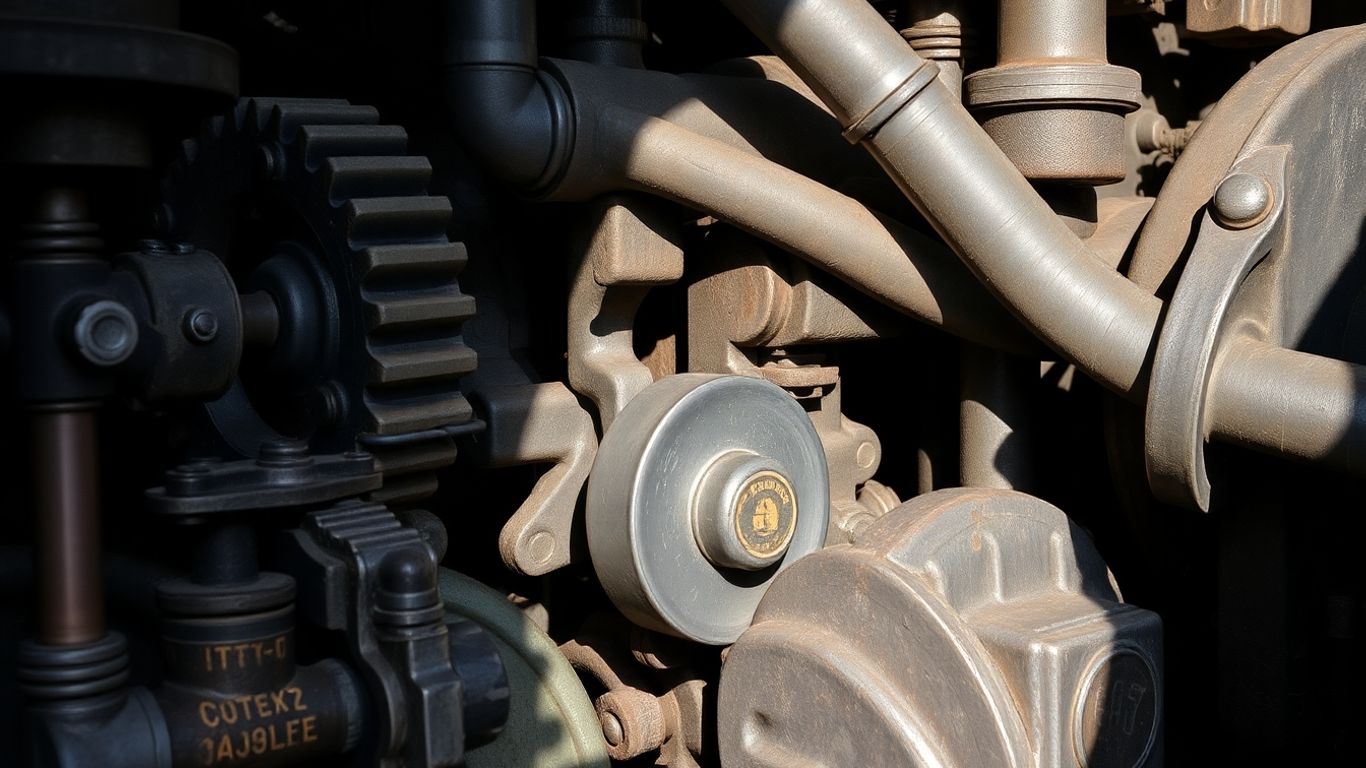
Ever feel like your office equipment has a mind of its own? One minute, the printer is churning out reports like a champ, and the next, it's staging a full-blown rebellion, spewing error messages and refusing to cooperate. This isn't just a bad day for your tech; it's a sign that your machines might be on strike, and you're footing the bill.
The Unplanned Downtime Debacle
When a piece of equipment decides to take an unscheduled break, everything grinds to a halt. Think about it: a broken coffee machine means grumpy employees. A malfunctioning computer means missed deadlines. Unplanned downtime isn't just an inconvenience; it's a productivity killer. It’s like trying to run a marathon with a sprained ankle – possible, but incredibly slow and painful. Studies show that unexpected equipment failures can cost businesses a pretty penny, not just in lost work hours but also in missed opportunities and unhappy clients. It’s the kind of chaos that makes you want to pull your hair out.
Repair Bills That Make You Weep
Ignoring a little squeak or a funny noise from your equipment is like ignoring a tiny leak in your roof. It seems minor at first, but eventually, it can lead to a full-blown flood. What could have been a simple, inexpensive fix – maybe just tightening a bolt or replacing a worn-out part – can turn into a massive repair bill when you wait until the machine completely gives up the ghost. Reactive maintenance, or fixing things only when they break, can cost anywhere from three to five times more than regular, planned upkeep. Suddenly, that small issue has snowballed into a budget-busting emergency.
Energy Vampires Lurking in Your Equipment
Did you know that poorly maintained machines are basically energy vampires? They suck up electricity like there's no tomorrow, and your utility bill is the one paying the price. When filters get clogged, parts get worn, or systems get misaligned, your equipment has to work twice as hard to do half the job. This extra effort translates directly into higher energy consumption. It's estimated that proper maintenance can actually improve energy efficiency by up to 20%. So, that dusty old air conditioner might be costing you way more than you think, just by being neglected.
The Perils of the DIY Disaster
So, you've decided to tackle the cleaning yourself. Noble effort! It feels like a smart move, right? Save a few bucks, get a little exercise, maybe even discover your inner cleaning guru. But let's be real, sometimes the 'do-it-yourself' route ends up costing you more than you bargained for. It's like trying to fix your own plumbing – you might save money initially, but one wrong move and you're dealing with a flood (and a much bigger bill).
The Strain on Your Back (and Your Sanity)
Think about it. You're down on your hands and knees, scrubbing away at a stubborn spot. You're reaching for that cobweb in the corner, contorting yourself into a pretzel. You're lugging around buckets of water and heavy equipment. Your body is not designed to be a professional cleaning machine. It's easy to pull a muscle, strain your back, or just end up utterly exhausted. And let's not even talk about the mental toll. Trying to remember which cleaner goes on which surface, figuring out how to get that streak out of the window, or just the sheer monotony of it all can really wear you down. It's a lot of effort for a result that might not even be that great.
Inconsistent Results: A Cleaning Rollercoaster
One week, your office might look reasonably presentable. The next? Not so much. When you're doing it yourself, the quality of your cleaning can swing wildly. Some days you have the energy and time to really go at it. Other days, you're just trying to get the bare minimum done before your next meeting. This inconsistency is a problem. It means some areas might get neglected for weeks, allowing dirt and grime to really set in. Plus, without the proper training, you might be using the wrong techniques or products, which can actually damage surfaces over time. It's a cleaning rollercoaster, and frankly, it's not a smooth ride.
When 'Good Enough' Isn't
We've all been there. You look at a slightly dusty shelf or a smudged window and think, 'Eh, it's good enough.' But 'good enough' is a slippery slope. What starts as a minor oversight can quickly become a bigger issue. Those little bits of dust can turn into thick layers. That faint smudge can become a permanent mark. And when it comes to hygiene, 'good enough' is definitely not good enough. Germs don't take days off, and they certainly don't care if you're tired. What seems like a small shortcut now can lead to bigger problems down the line, whether it's a health issue or a costly repair because something wasn't cleaned properly.
The temptation to DIY is strong, especially when you're trying to watch the budget. But sometimes, the 'savings' are an illusion. The real cost comes in the form of your physical well-being, the inconsistent quality of the job, and the potential for small problems to snowball into big ones. It's worth considering if the time, effort, and potential risks are truly worth skipping professional help.
Your Office: A Breeding Ground for Bad Vibes
You probably didn’t realize your office was becoming a bit like the Wild West—a frontier for mess, mystery stains, and unexplained squishy objects near the break room fridge. But it’s true: where dirt gathers, so do all sorts of problems. Let’s break down how a messy hub ruins more than just your mood.
The Case of the Missing Motivation
Trying to be productive when your office looks (and maybe smells) like a post-hurricane yard sale is nearly impossible. Stacks of paperwork breed stress. Dust bunnies hold secret meeting sessions under your desk. It’s really hard to feel like a superstar when you’re tiptoeing around crumpled tissues and someone else’s lunch leftovers.
Here’s what a cluttered, dirty workspace can do to your motivation:
- You’re too busy searching for a clean coffee mug to brainstorm new ideas.
- Frustration from constant distractions saps all your creative energy.
- Staying late to catch up? It’s nobody’s dream when the cleaning’s never done.
Clean workspaces aren’t just about looks—they quietly fuel focus, spark better moods, and keep everyone pulling in the same direction.
Sick Days: The Uninvited Guests
Turns out, dust and germs are the ultimate party crashers. Without regular cleaning, your office turns into a hangout spot for all sorts of germs. And yep, they love to share.
Check out this sick-day showdown:
| Workspace Condition | Average Sick Days per Employee/Year |
|---|---|
| Regularly Cleaned | 3 |
| Kind-of-Clean (sometimes) | 5 |
| Flat-out Neglected | 8 |
Those extra sick days mean lost work, real money down the drain, and the never-ending game of "Who coughed on the printer?"
Client Impressions: More Than Just a Handshake
You can have the greatest pitch in history, but if your client is distracted by mystery stains on the carpet, you’ve already lost half the battle. When a visitor steps through your door, they take it all in—what they see, how it smells, and even if the bathroom’s got paper towels.
A rundown office sends the wrong signal fast:
- "We don’t sweat the details."
- "We’re too busy (or lazy) for basic cleanup."
- "We may miss important things—like your business."
A fresh office, on the other hand, quietly whispers, "You can trust us to handle the important stuff."
So, if you’re skipping hub cleaning, you’re not just saving a little time—you’re risking motivation, spreading germs, and making all the wrong impressions. Maybe it’s time for a little spring cleaning... every week.
The Hidden Costs of Neglect
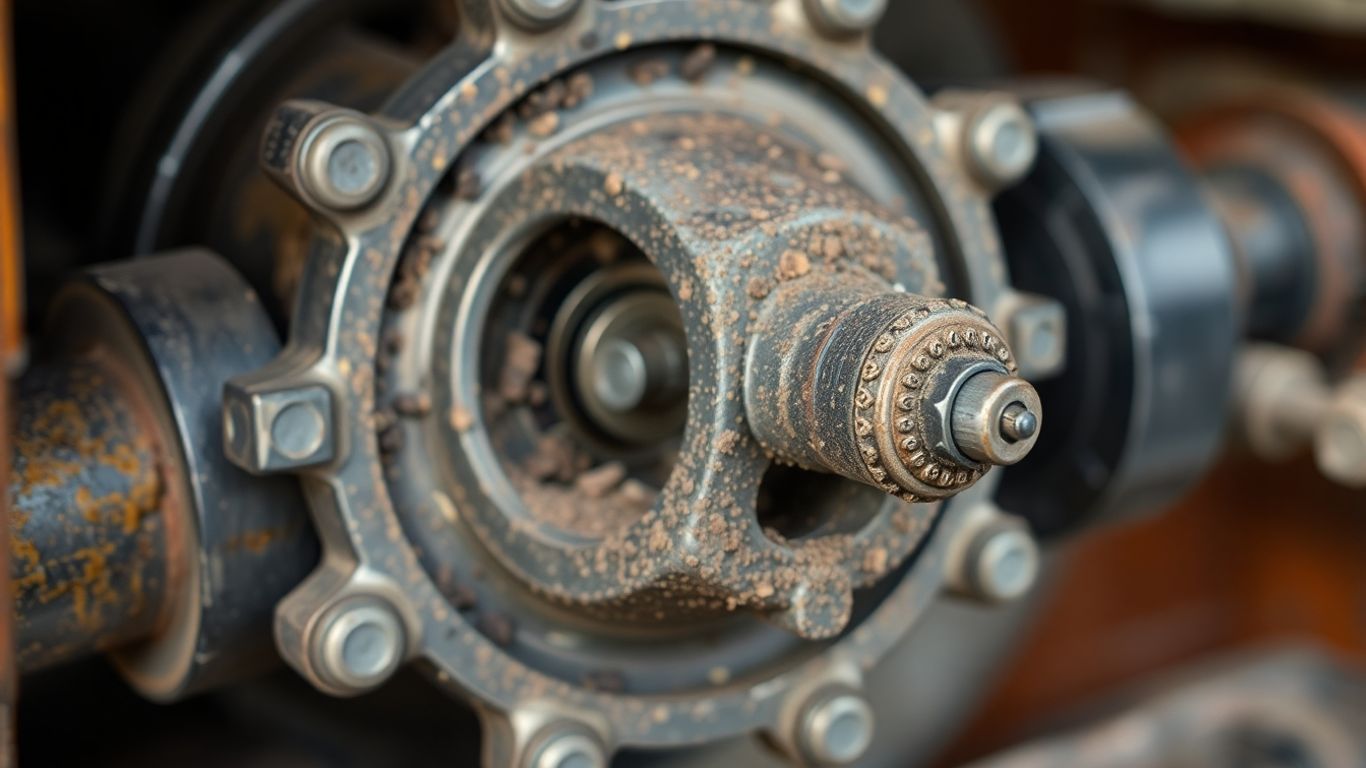
So, you've been putting off that deep clean, thinking it's just a bit of dust, right? Wrong. Ignoring regular cleaning, especially for your equipment and workspace, is like playing a really expensive game of Jenga with your business. You keep pulling out blocks (ignoring maintenance), and eventually, the whole thing comes crashing down. And trust me, the cleanup from that is way more costly than just dusting.
When Equipment Gives Up the Ghost
Think of your machines like that old car you used to have. If you never changed the oil or checked the tires, it eventually just sputtered its last breath on the side of the highway, right? Your office equipment is no different. Skipping regular cleaning and maintenance means parts get gunked up, overheat, or just wear out way faster than they should. That fancy printer you bought? It might start jamming constantly. That industrial mixer? It could start making noises that sound like a dying robot. The lifespan of your valuable equipment gets seriously chopped when you don't give it some TLC.
Safety Hazards: Not Your Average Workplace Perk
Let's talk about safety. A dirty, neglected workspace isn't just unpleasant; it can be downright dangerous. Think about it:
- Trip Hazards: Leaky pipes or just general clutter can create sneaky tripping hazards. Nobody wants to explain an injury because someone slipped on a rogue puddle of… well, who knows what.
- Fire Risks: Dust buildup, especially around electrical components, is a fire waiting to happen. It’s not exactly the kind of excitement you want at the office.
- Air Quality Nightmares: Grimy vents and neglected filters don't just make things look bad; they can circulate all sorts of unpleasantness, leading to more sick days and general grumpiness.
Ignoring the little things, like keeping your workspace and equipment clean, can lead to big, expensive problems down the line. It's not just about appearances; it's about keeping things running smoothly and safely.
The Shortened Lifespan of Your Valuables
Every piece of equipment you own has a certain number of years it’s supposed to last. But when you skip cleaning and maintenance, you're basically putting it on a fast track to early retirement. What could have lasted you a decade might conk out after just five or six years. This means you're buying replacements much sooner than you planned, and that adds up. It’s like buying a new phone every year instead of every three – it just drains your bank account faster.
Why Professional Cleaning Tools Are Your Best Friend
Look, we've all been there. You decide to tackle a messy job yourself, armed with whatever you can find under the sink or at the local hardware store. Maybe you've got a trusty old brush, a rag that's seen better days, and a can-do attitude. But let's be real, sometimes 'good enough' just isn't. When it comes to keeping things like truck wheel hubs clean, using the right gear can make a world of difference. It's not just about making things look pretty; it's about efficiency, safety, and actually getting the job done right.
The Magic of Professional-Grade Gear
Think about it. Why do mechanics use specific tools for specific jobs? Because they work better. Professional cleaning tools are designed with a purpose. They're built to handle tough grime, reach awkward spots, and do it all without causing damage. For instance, something like the Stud Kleen is made specifically for cleaning wheel hubs and studs. It's built tough, works with impact wrenches, and is way more durable than your average scrub brush. This means less time wrestling with stubborn dirt and more time getting back to what matters.
Saving Time with the Right Hub Cleaning Tools
Time is money, right? Or at least, it's time you could be spending doing something more fun than scrubbing. When you use tools designed for the job, you cut down on the effort and the time needed. Instead of spending ages trying to dislodge baked-on grease with a wire brush that keeps shedding bristles, a specialized tool can do it in a fraction of the time. It's about working smarter, not harder. You'll find yourself finishing tasks quicker, which means less downtime and more productivity overall. It’s a simple equation: better tools equal faster results.
Achieving That Sparkle: It's All in the Tools
So, what's the big deal? Well, a clean hub isn't just about appearances. It can affect how parts fit together, how brakes work, and even how safe a vehicle is. Using the wrong tools or methods can lead to inconsistent cleaning, leaving behind debris that can cause problems later. Professional tools are designed to get into all the nooks and crannies, removing contaminants effectively. This leads to a more thorough clean, better performance from your equipment, and peace of mind knowing the job was done right. It’s the difference between a quick wipe-down and a proper, lasting clean.
Using the right tools makes a big difference when cleaning. Professional cleaning tools are designed to get the job done right, saving you time and effort. They help you achieve a better clean, making your tasks easier and more effective. Ready to see how the best tools can help you? Visit our website today to explore our selection and find the perfect cleaning solutions for your needs!
So, About That Hub Cleaning...
Look, nobody enjoys cleaning, especially not the nooks and crannies of a busy hub. It’s easy to just… not. But as we’ve seen, letting that grime build up is like playing a really slow, really expensive game of Jenga with your business. Things might stand for a while, but eventually, something’s gonna tumble down, and it’s probably going to be costly. So, maybe next time you’re tempted to skip the scrub-down, just remember: a little elbow grease now saves a whole lot of headaches (and cash) later. Your wallet, and your sanity, will thank you.
Frequently Asked Questions
Why is regular cleaning important for an office?
Regular office cleaning is super important because it helps keep your workers healthy by getting rid of germs. It also makes the office look nice for clients and helps everyone focus better because there's less mess to distract them. A clean space just makes people feel happier and more motivated to do their jobs.
Can a messy office really cost a business money?
Yes, it totally can! When an office is messy, people get sick more often, which means more missed workdays. Also, if clients visit and the place is a mess, they might not think your business is very professional. Plus, when things aren't cleaned, equipment can break down faster, leading to costly repairs.
Is cleaning the office myself cheaper than hiring professionals?
It might seem cheaper at first, but doing it yourself can actually cost more in the long run. You have to buy all the cleaning supplies, which can add up. Plus, you spend your own valuable time cleaning instead of doing work that makes money. Sometimes, if you don't clean right, you can even damage things, which costs money to fix.
What happens if maintenance is skipped on office equipment?
If you don't take care of office equipment, it's like not taking care of your car. Small problems can turn into big ones, making the equipment break down unexpectedly. This stops work, costs a lot to fix, and uses more energy because the machine has to work harder. It can also make the equipment wear out much faster.
How does a clean office help with employee productivity?
A clean office helps employees be more productive in a few ways. When there's no clutter, it's easier to find things and focus on tasks. Less mess means less stress. Also, a cleaner environment usually means fewer germs floating around, so fewer people get sick and miss work. When the office looks good, employees often feel prouder to be there, which can boost their effort.
Are there hidden costs to not cleaning regularly?
Definitely! Not cleaning regularly can lead to a bunch of hidden costs. Germs spread more easily, causing more sick days. Equipment can get damaged or wear out faster, needing expensive repairs or replacements. A messy office can also give clients a bad impression, potentially costing you business. Plus, poorly maintained equipment often uses more electricity, making your power bills higher.


