

You know those little caps on your tire valves? The ones that seem like they're just there to look pretty, or maybe just to get lost? Turns out, they're actually pretty important. We often don't think twice about them, but these tiny valve caps play a bigger role than you might expect in keeping your tires properly inflated and your car running smoothly. Let's take a closer look at why these small parts make a big difference.
Key Takeaways
- Valve caps act as a secondary seal, protecting the valve core from dirt and moisture that can cause slow air leaks.
- While not maintaining pressure alone, a good valve cap prevents contaminants from getting into the valve stem, which is crucial for keeping air in.
- Different materials like plastic, rubber, and metal offer varying levels of durability and sealing. Metal caps, especially brass with O-rings, are generally more robust.
- Beyond basic function, some valve caps offer features like pressure indicators or are designed to work with TPMS sensors, though style should not replace function.
- Properly installed valve caps contribute to better fuel economy, longer tire life, and overall driving safety by helping maintain correct tire pressure.
The Humble Valve Cap: More Than Just A Pretty Face
Okay, let's talk about that little plastic or metal doodad on your tire valve. You know, the one you probably haven't thought about since you last put air in your tires, or maybe ever. It's easy to dismiss it as just some cheap bit of plastic, but honestly, this tiny thing is doing more work than you might think. It’s like the unsung hero of your car’s wheel well, quietly doing its job so you don't have to worry about your tires deflating like a sad balloon.
What Exactly Is A Valve Cap Anyway?
So, what is this thing? At its core, a valve cap is a protective cover for your tire's valve stem. Think of it as a tiny hat for a tiny person. Its main gig is to keep dirt, dust, and general road gunk from getting into the valve stem. If that stuff gets in there, it can mess with the valve core, which is the little gizmo that actually holds the air in. And nobody wants that. It's a simple concept, really: keep the bad stuff out, keep the good stuff (air!) in.
The Mighty Schrader Valve: A Blast From The Past
Before we get too deep into caps, we gotta give a nod to the valve it protects: the Schrader valve. This bad boy has been around since, like, forever (okay, since the late 1800s, but still!). It's the standard on pretty much every car, bike, and truck you've ever seen. It's a spring-loaded valve that lets you push air in but doesn't let it easily come out unless you push the little pin in the middle. It’s a clever bit of engineering that’s surprisingly robust. Most of the time, the Schrader valve itself does a pretty good job of keeping air contained, but it’s not perfect, and that’s where our little cap friend comes in.
Why Your Tiny Valve Cap Deserves A Standing Ovation
Seriously, give it up for the valve cap. It’s the first line of defense against all sorts of tire-ruining nasties. Without it, your valve core is exposed to the elements. Think about it: mud, rain, salt, tiny pebbles – they can all find their way into that delicate valve core. Over time, this can cause corrosion or damage, leading to slow leaks. Plus, a cap adds a little extra seal, just in case the main valve core decides to take a nap. It’s a cheap insurance policy that most of us completely ignore. So next time you see one, maybe give it a little nod of appreciation. It’s working hard for you, even if it’s just sitting there looking small and insignificant.
Don't Let Your Air Go Rogue: The Magic Of Valve Caps
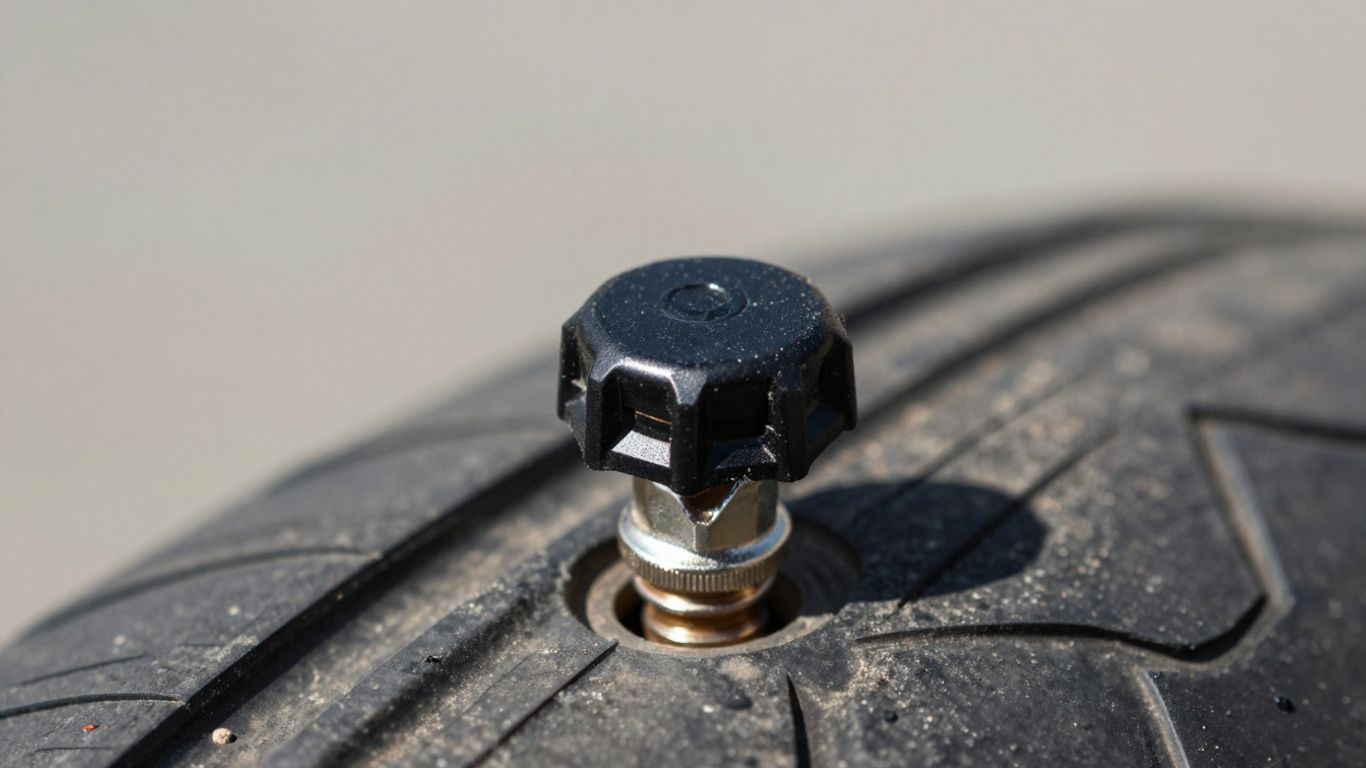
Keeping The Gunk Out: A Cap's Primary Mission
Okay, let's be real. You probably haven't given your valve caps much thought. They're those little plastic or metal doodads that came with your car, and they just sort of... sit there. But here's the scoop: they're actually doing a pretty important job. Think of your tire's valve stem as a tiny gateway. Without a cap, this gateway is wide open to all sorts of nasties. We're talking dirt, dust, little pebbles, maybe even some rogue chewing gum from that time you were really stressed. All this gunk can sneak into the valve core, which is the actual mechanism that holds your air in. And guess what happens when gunk gets in? It can mess with the seal, leading to slow leaks. So, the humble valve cap's main gig is acting as a tiny, but mighty, shield against the elements. It's like a bouncer for your tire's air supply, keeping the riff-raff out.
The Secondary Seal: How Caps Keep Your Air In Line
While the valve core itself is designed to keep air in, it's not exactly a vault. It relies on a tiny spring and a good seal. The valve cap, however, adds an extra layer of defense. Many caps, especially the rubbery ones or the fancier metal ones, have a little rubber O-ring or a built-in seal. This creates a secondary seal around the valve stem. It's not meant to hold back a major air escape, but it helps prevent tiny amounts of air from seeping out over time. Think of it as putting a lid on a jar – the jar itself holds the contents, but the lid makes sure nothing escapes, especially not the little wisps of air that might try to sneak out when no one's looking. It's a subtle but effective way to keep your tire pressure exactly where it should be, without you even noticing.
When The Core Says 'Nope': Why Caps Are Your Backup Plan
Sometimes, despite your best efforts, the valve core can get a bit grumpy. Maybe it's old, maybe it got a bit of grit in it that you couldn't dislodge, or maybe it just decided to call it a day. When the valve core starts to fail and leak air, your valve cap can be your knight in shining armor. While it can't magically fix a broken valve core, a good, tight-fitting cap can significantly slow down the air loss. It acts as a temporary plug, giving you a bit more time to get to a tire shop or find a replacement valve core without your tire going completely flat. It's the emergency parachute for your tire's air pressure. So, even if you think your valve core is perfectly fine, that little cap is still your backup, ready to step in when things go south.
Here's a quick rundown of why that little cap matters:
- Debris Defense: Keeps dirt, water, and road grime out of the valve stem.
- Secondary Seal: Provides an extra barrier against minor air seepage.
- Emergency Slowdown: Can help reduce air loss if the valve core starts to fail.
- TPMS Protection: Helps keep the sensitive TPMS sensor area clean and free from contaminants.
Material World: Choosing Your Valve Cap Soulmate
Alright, let's talk about what these little guys are actually made of. It’s not just about looking pretty, though we’ll get to that. The material of your valve cap is a pretty big deal when it comes to keeping that precious air locked inside your tires. Think of it like choosing a partner – you want someone reliable, right? Not someone who cracks under pressure or flakes out when things get a little hot or cold.
Plastic Fantastic? Or A Flimsy Fiasco?
These are the ones you probably see most often, the standard issue that comes with your car. They’re cheap, they’re light, and they do the bare minimum. But honestly, they’re kind of like that friend who always promises to help move but then mysteriously gets a "stomach bug." They’ll keep the big chunks of dirt out, sure, but don't expect them to win any awards for durability. UV rays and extreme temperatures are their kryptonite, turning them brittle and prone to snapping off when you least expect it. If you’ve ever tried to unscrew a sun-baked plastic cap and it just crumbles, you know what I mean.
Rubber's Resilience: A Flexible Friend
Now, rubber caps are a step up. They’re more flexible, which means they’re less likely to snap. Plus, many of them come with a little built-in O-ring, which is like a tiny, rubbery hug for your valve stem, helping to create a better seal. They handle temperature changes like a champ, so they won't get all stiff and crackly in the cold or melt into a gooey mess in the heat. They’re a solid choice for everyday drivers, offering a good balance of protection and flexibility.
Metal Marvels: The Shiny, Durable Option
If you’re looking for something that screams “I take my tire maintenance seriously,” then metal caps are your jam. Usually made of brass (often chrome-plated for that extra shine and rust resistance) or aluminum, these things are built to last. They feel substantial, they’re tough, and they generally offer a much tighter seal, especially the ones with that rubber gasket inside. They’re a bit heavier and cost a little more, but for the peace of mind and the professional look, many folks find them totally worth it. They’re like the reliable, no-nonsense friend who always shows up on time.
Locking Caps: For When You're Feeling Paranoid
Okay, so maybe you live in a neighborhood where things mysteriously disappear, or you’ve got some seriously fancy rims you don’t want anyone messing with. That’s where locking caps come in. These bad boys screw on tight and require a special little tool to get them off. They’re great for preventing theft or tampering, but let’s be real, they’re a bit extra for the average Joe. You have to remember to keep that little tool handy, and they can be a pain if you’re just trying to check your tire pressure quickly.
| Material Type | Pros | Cons |
|---|---|---|
| Plastic | Cheap, lightweight | Brittle, poor seal, UV sensitive |
| Rubber (with O-ring) | Flexible, better seal, temp resistant | Can degrade over time, limited durability |
| Metal (Brass/Alum) | Durable, weather-resistant, good seal | Heavier, more expensive |
| Locking Metal | Theft prevention, secure | Requires special tool, less convenient |
Choosing the right material is all about finding that sweet spot between cost, durability, and how well it actually does its job of keeping your valve stem clean and your air where it belongs. Don't just grab the cheapest ones; your tires will thank you later.
Beyond Basic: Fancy Valve Caps For The Discerning Driver
Pressure Indicators: Your Tire's Mood Ring
So, you've mastered the art of the basic valve cap. You know they keep the gunk out and act as a backup seal. But what if your valve cap could do more? Enter the pressure-indicating valve cap. These little guys are like a tiny, colorful fortune teller for your tires. They usually have a little colored tip that pops out or changes color when your tire pressure drops below a certain point. It's a super simple way to get a quick visual check without even needing a gauge. Think of it as your tire's mood ring – green means happy, yellow means 'meh, maybe check me,' and red means 'seriously, pump me up before I throw a tantrum.'
Decorative Dazzlers: Style Over Substance?
Let's be honest, sometimes function just isn't enough. You want your ride to look good from the tires up. That's where decorative valve caps come in. You can find them in all sorts of shapes and finishes – chrome skulls, little dice, even tiny sports team logos. They're a fun way to add a bit of personality to your wheels. Just remember, while they might look cool, some of these fancy caps are more about looks than keeping your air in. Make sure they still seal properly, or you might be trading style for a slow leak.
TPMS Pals: Keeping Your Sensors Happy
If your car is newer, chances are it has a Tire Pressure Monitoring System, or TPMS. These systems have little sensors inside your valve stems that tell you if your tires are low. The valve cap's job here is to protect that sensor. Some fancy caps are designed specifically to work with TPMS, offering a better seal and protecting the sensor from dirt and moisture. It's a small upgrade, but for cars with TPMS, it's a smart move to keep those expensive sensors happy and working correctly. You don't want your TPMS light glaring at you because a cheap cap let some grit in, right?
Installation Nightmares & How To Avoid Them
So, you've decided to give your tires a little treat – maybe some fancy new valve caps. Awesome! But hold your horses, cowboy. Just like trying to assemble IKEA furniture without reading the instructions (we've all been there), slapping on a valve cap can sometimes turn into a mini-disaster. It's not rocket science, but a few common slip-ups can turn a simple task into a frustrating ordeal, potentially costing you more than just a few minutes.
The 'Hand-Tight' Rule: Don't Be A Torque Monster
This is probably the most important rule, and it's super simple: only use your fingers to tighten valve caps. Seriously, no pliers, no wrenches, not even that little multi-tool you keep in your glove box. These valve stems are not built for brute force. Over-tightening is like trying to hug a porcupine – you're going to get pricked, or in this case, you might strip the threads on the valve stem. And guess what? A stripped valve stem means air is going to make a break for it, and you'll be back to square one, probably with a much bigger problem.
- Gentle does it: Screw the cap on until it feels snug. That's it. If it feels like you're wrestling a bear, you're doing it wrong.
- Listen to your fingers: They can tell you when something's not right. If it's too hard to turn, stop.
- Tools are the enemy: Unless you're a professional mechanic with a torque wrench calibrated for valve stems (which, let's be honest, none of us are), put the tools away.
Threadbare Terrors: When Caps Go Bad
Sometimes, the cap itself is the villain. You might grab a cap that looks perfectly innocent, but its threads are a mess. This could be due to poor manufacturing, or maybe it's just old and corroded. Trying to force a cap with bad threads onto a valve stem is a recipe for disaster. You risk damaging the stem, and you definitely won't get a good seal. It's like trying to fit a square peg into a round hole, but with potentially deflated consequences.
The biggest culprits here are often cheap, unbranded caps. They might look cool, but their threading can be inconsistent, leading to a frustrating installation and a poor seal. Always check the threads visually before you even attempt to screw it on.
Size Matters: Finding The Perfect Fit
Think of it like dating – you need to find the right match. Valve caps aren't one-size-fits-all. While most passenger cars use a standard thread size (usually 7/16-20), there are exceptions. Putting the wrong size cap on can be problematic. Too loose, and it'll just fall off, defeating the purpose. Too tight, and you're back to the 'torque monster' problem, risking damage. It's always a good idea to know your vehicle's specific valve stem type, especially if you're buying caps online or for a fleet of vehicles. A quick peek at your owner's manual or a quick search online can save you a lot of hassle. And hey, if you're buying caps for a truck or a trailer, double-check those specs – they often use different sizes than your average sedan.
The Real Cost Of Losing Your Little Cap Buddy
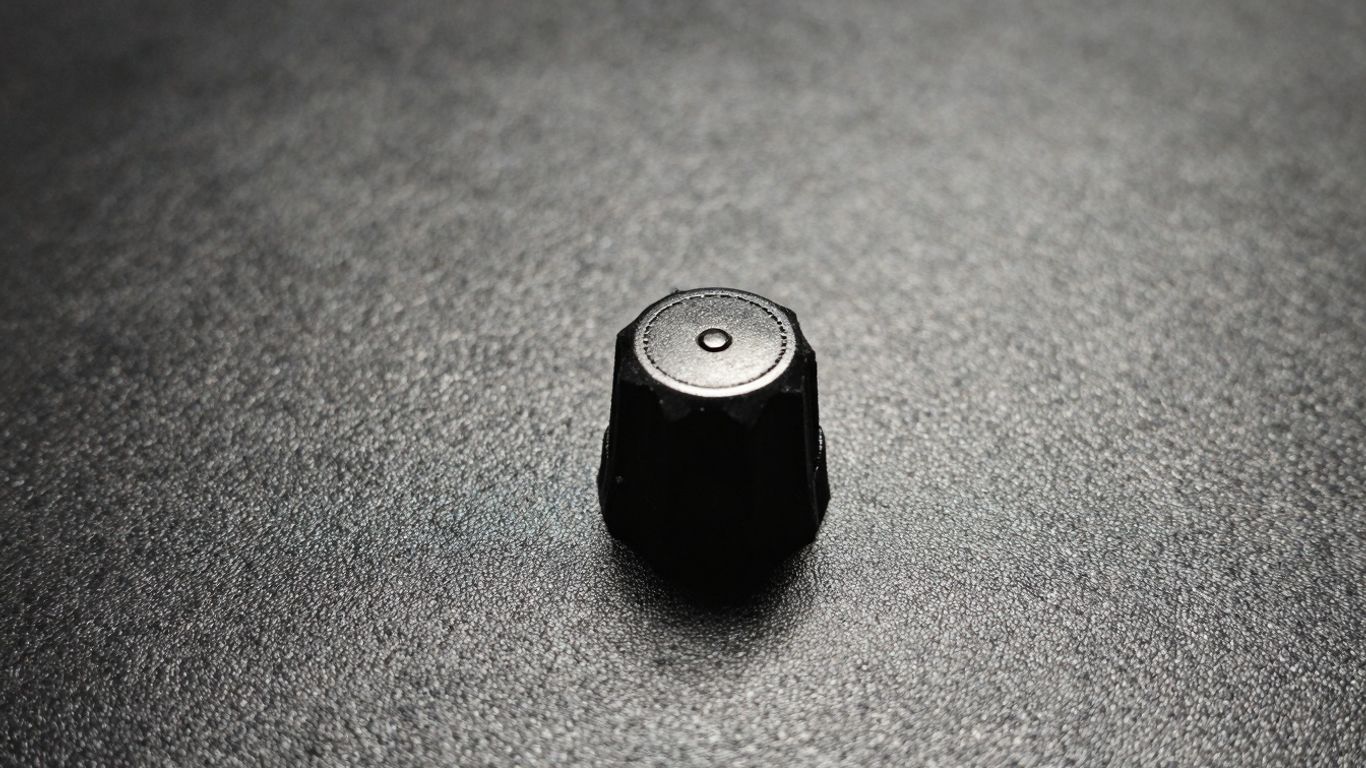
So, you've lost a tiny valve cap. Big deal, right? It’s just a little plastic or metal doodad. You might think it’s no worse than losing a sock in the laundry. But let me tell you, that little guy was doing more work than you realized. Losing it isn't just an aesthetic bummer; it can actually cost you money and, yikes, even put you in a sticky situation.
Fuel Economy Fumbles: The Price Of Low Pressure
Think of your tires like your car's shoes. If they're not properly inflated, your car has to work harder to get around. It’s like trying to run a marathon in shoes that are half flat – exhausting! When your tires are underinflated, the contact patch with the road gets bigger. This means more friction, and more friction means your engine is chugging more gas to keep you moving. That missing valve cap might be letting out just enough air to make your wallet feel significantly lighter at the pump. Studies show that even a small drop in tire pressure can noticeably impact your fuel efficiency.
Here’s a little breakdown of how that sneaky air loss adds up:
| Tire Pressure Drop | Estimated Fuel Economy Impact |
|---|---|
| 5% | 1-2% decrease |
| 10% | 2-4% decrease |
| 15% | 3-6% decrease |
Tire Torture: When Underinflation Takes Its Toll
It’s not just about gas money. Those underinflated tires are literally getting cooked from the inside out. That increased friction we talked about? It creates heat. Lots of heat. This heat breaks down the rubber much faster than usual, leading to premature tire wear. You’ll find yourself needing new tires way sooner than you should. Plus, the uneven wear can mess with your car's handling, making it feel sluggish or wobbly. It’s a rough life for a tire that’s constantly losing its cool (and its air).
Safety Slips: The Perils Of A Blowout
This is where things get really serious. A tire that’s constantly losing air is a ticking time bomb. If the valve core gets gunked up (thanks to that missing cap letting dirt in) or if the core itself is faulty, air can escape faster than you think. Driving on a severely underinflated tire, especially at highway speeds, can lead to a catastrophic tire failure – a blowout. A sudden blowout can cause you to lose control of your vehicle, which is incredibly dangerous. It’s a scary thought, but that tiny valve cap is a small but important part of your car's overall safety system.
Losing a valve cap might seem like a minor inconvenience, but it’s a slippery slope. It starts with a little bit of lost air, which leads to wasted fuel and faster tire wear. If left unchecked, it can escalate into a serious safety hazard. So, next time you check your tire pressure, give those little caps a once-over. They’re small, but they pack a punch when it comes to keeping your car running smoothly and safely.
Losing your little cap buddy can be a real bummer, and it might cost you more than you think. These small parts play a big role in keeping your wheels safe and looking good. Don't let a missing cap lead to bigger problems down the road. Visit our website today to find the perfect replacement and keep your ride in top shape!
So, What's the Big Deal About Tiny Caps?
Alright, so we've gone down the rabbit hole of tiny plastic and metal doodads. Who knew these little valve caps could be so… opinionated? Turns out, they're not just for show. They're like the bouncers at the club for your tire's air, keeping the riff-raff (aka dirt and moisture) out. Lose one, and you might find yourself slowly deflating, which is about as fun as a root canal. So next time you see a cap missing, don't just shrug. Give it a little nod of respect, maybe even find its buddy. Your tires, your wallet, and your car's overall vibe will thank you. Now go forth and cap responsibly!
Frequently Asked Questions
Do valve caps really stop air from leaking out of my tires?
Valve caps don't hold air in all by themselves. That's the job of the valve core inside. But, a good cap keeps dirt and gunk out of the valve core. If the core gets dirty or damaged, it can start to leak air slowly. So, the cap acts like a backup protector, helping to prevent those sneaky leaks.
Can I use metal valve caps on tires with TPMS sensors?
Yes, you usually can, as long as they fit correctly and you don't screw them on too tightly. Some metal caps, especially if they don't fit right, can mess with the TPMS sensors. It's best to get caps that are made for your specific car or are the standard size. Over-tightening is a no-no, no matter the cap type.
Are those special locking valve caps worth the extra money?
Locking valve caps are mostly for people who park in areas where car parts get stolen a lot, or if you have really fancy wheels you want to protect. For everyday driving, regular valve caps that just screw on are usually fine. They do the job of keeping things clean and sealed.
How tight should I put on a valve cap?
Just hand-tight is perfect! You don't need tools for this. If you use pliers or anything else, you could damage the threads on the valve stem or the cap itself. This could lead to air leaks, which is exactly what you're trying to avoid.
What size are most tire valve caps?
For most cars and small trucks, the standard size for the threads is called 7/16-20. It's like a common size that fits most valve stems. Bigger trucks or trailers might have different sizes, so it’s always a good idea to check your vehicle's manual or look at the caps you have now if you're unsure.
Why is it important to replace lost or damaged valve caps?
Losing a valve cap might seem like no big deal, but it leaves the valve core open to dirt, moisture, and other road gunk. This stuff can cause slow leaks over time. Also, if your valve core is already a bit worn, the cap acts as a second line of defense to keep air from escaping. Replacing them is cheap and helps keep your tires properly inflated.


