

So, you've probably noticed that cars use either bolts or studs to hold the wheels on. It might seem like a small detail, but it actually makes a pretty big difference, especially when you're dealing with a less-than-perfect setup. We're going to dive into why those wheel studs are often the better choice, and what happens when things go wrong with the bolt-on method. It’s not just about looks; it’s about reliability and ease of use.
Key Takeaways
- Wheel studs generally make mounting wheels easier compared to lug bolts, as the wheel can hang freely while you start the nuts.
- Lug bolts can be a pain if the threads in the hub get stripped, often requiring costly repairs or hub replacement.
- Studs can offer more consistent clamping force due to how they handle tightening forces, similar to how engine heads are fastened.
- Manufacturers sometimes use lug bolts to save costs, as it eliminates one part (the nut) from their inventory.
- For frequent wheel changes, like at a racetrack, wheel studs are often preferred for speed and ease of replacement.
The Great Wheel Stud Debate: Bolts vs. Studs
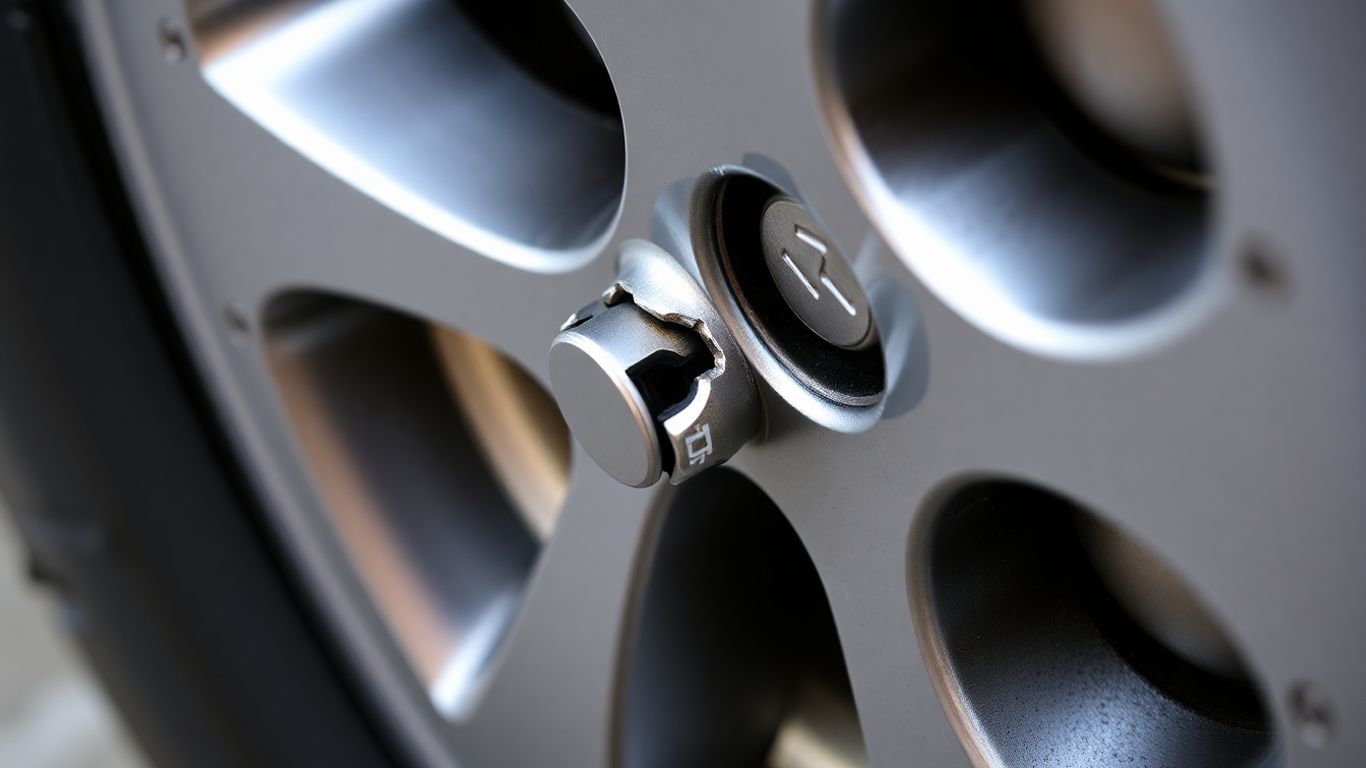
Alright, let's talk wheels. Specifically, how they attach to your car. You've got two main players in this game: lug bolts and wheel studs. For most of us, it's just a thing that happens when we get new tires or, you know, when a wheel decides to go rogue. But there's a whole world of difference, and frankly, a bit of a rumble, about which one is actually better. It’s like choosing between a trusty old hammer and a fancy new power drill – both get the job done, but one might leave you with fewer stripped threads and less grease under your fingernails.
Why Studs Are the 'Stud' of the Show
Think of wheel studs as the unsung heroes. They're the threaded rods that stick out from your hub. When you put a wheel on, you just slide it over the studs, and then you thread nuts onto them. Easy peasy. This makes putting a wheel on way simpler. You don't need three hands to hold the wheel in place while you try to get the first bolt started. The wheel just hangs there, patiently waiting for its nuts. Plus, if you're doing track days or swapping wheels a lot, studs are your best friend. They handle frequent wheel changes like a champ. Some fancy ones, called bullet nose studs, are even designed to make starting those nuts a breeze, especially when things are hot and you're in a hurry. It’s like a pit stop dream.
The Bolt's Lament: A Tale of Stripped Threads
Now, lug bolts are what most everyday cars use. These are the bolts that screw directly into the hub. They look cleaner, sure, with no extra threads sticking out past the nut. But oh, the drama! When you're tightening a lug bolt, the whole bolt is twisting. This twisting action can be a real pain, especially if you're over-tightening. It’s a common cause of stripped threads, both in the bolt and, more importantly, in the hub itself. And let me tell you, stripping threads in the hub is a nightmare that usually means a costly repair. It’s like trying to screw a screw into a hole that’s already stripped – it just spins and spins, getting you nowhere fast.
Nuts About Studs: The Convenience Factor
Let's circle back to studs and why they're so loved by mechanics and gearheads. The biggest win? Ease of use. When you're changing a tire, especially if you're on the side of the road or in a busy garage, the wheel just slides onto the studs. No fumbling, no trying to balance the wheel while you line up a bolt. It’s a much smoother process. This convenience is a big deal when you're dealing with heavy wheels or when time is tight. It means fewer dropped wheels and less frustration. It’s the little things, right?
The debate between bolts and studs often comes down to application. While bolts might look cleaner and save manufacturers a tiny bit of cash, studs generally offer a more user-friendly experience for wheel changes and can provide better clamping force consistency, especially under stress. It's not always about which is
When Bolts Go Bad: A Stripped Thread Nightmare
So, you've got a car that uses lug bolts instead of studs. No biggie, right? Most European cars roll with them, and hey, they seem to work fine for Porsche, so what's the fuss? Well, the fuss starts when things go wrong, and when they do, it's usually a real pain in the axle. We're talking about stripped threads, folks. It's the kind of problem that can turn a simple tire rotation into a full-blown mechanical meltdown.
The Hub's Revenge: When Bolts Strip
Imagine this: you're trying to tighten down your lug bolt, and instead of that satisfying snug feeling, you get… nothing. Just a smooth, endless turn. Yep, you've stripped the threads. This can happen in a couple of ways. Maybe the bolt wasn't seated properly, and you forced it. Or perhaps the threads in the hub itself are just plain worn out from years of service, or maybe a previous over-tightening incident. When a lug bolt strips, it's not just the bolt that's toast; the threads in your hub are likely damaged too. This means the bolt can no longer create a secure connection, leaving your wheel precariously attached. It's like trying to screw a lid onto a jar with no threads left – utterly useless and a bit terrifying.
The Costly Consequence of a Bad Bolt
Stripped threads aren't just an annoyance; they're an expensive problem. Replacing a single lug bolt is usually pretty straightforward. But when the threads in the hub are shot? That's a whole different ballgame. You're looking at potentially needing to replace the entire hub assembly, which can get pricey fast. We're talking hundreds, maybe even thousands, of dollars depending on your vehicle. Plus, there's the downtime. Your car is stuck in the shop until the repair is done, and nobody likes being without their ride.
Why Bolts Can Be a Pain in the Axle
Part of the issue with lug bolts is how they work. When you tighten a lug bolt, the bolt itself is twisting. This twisting action puts stress on the threads, both on the bolt and in the hub. Over time, or with a bit too much enthusiasm from an impact wrench, these threads can wear down or strip. It's a bit like trying to unscrew a stubborn jar lid by twisting the jar itself – eventually, something's gotta give. Studs, on the other hand, have the nut doing the twisting, which is generally a more robust system for repeated tightening and loosening. Plus, if a stud does get damaged, it's usually much easier and cheaper to replace just the stud rather than dealing with a damaged hub.
The core problem with lug bolts is that the entire fastening force relies on the threads within the hub. If those threads fail, the wheel is no longer secured. This single point of failure, combined with the twisting forces during installation, makes them more susceptible to damage over time compared to a stud-and-nut system where the threads are more accessible and replaceable.
Studs to the Rescue: Making Wheel Changes a Breeze
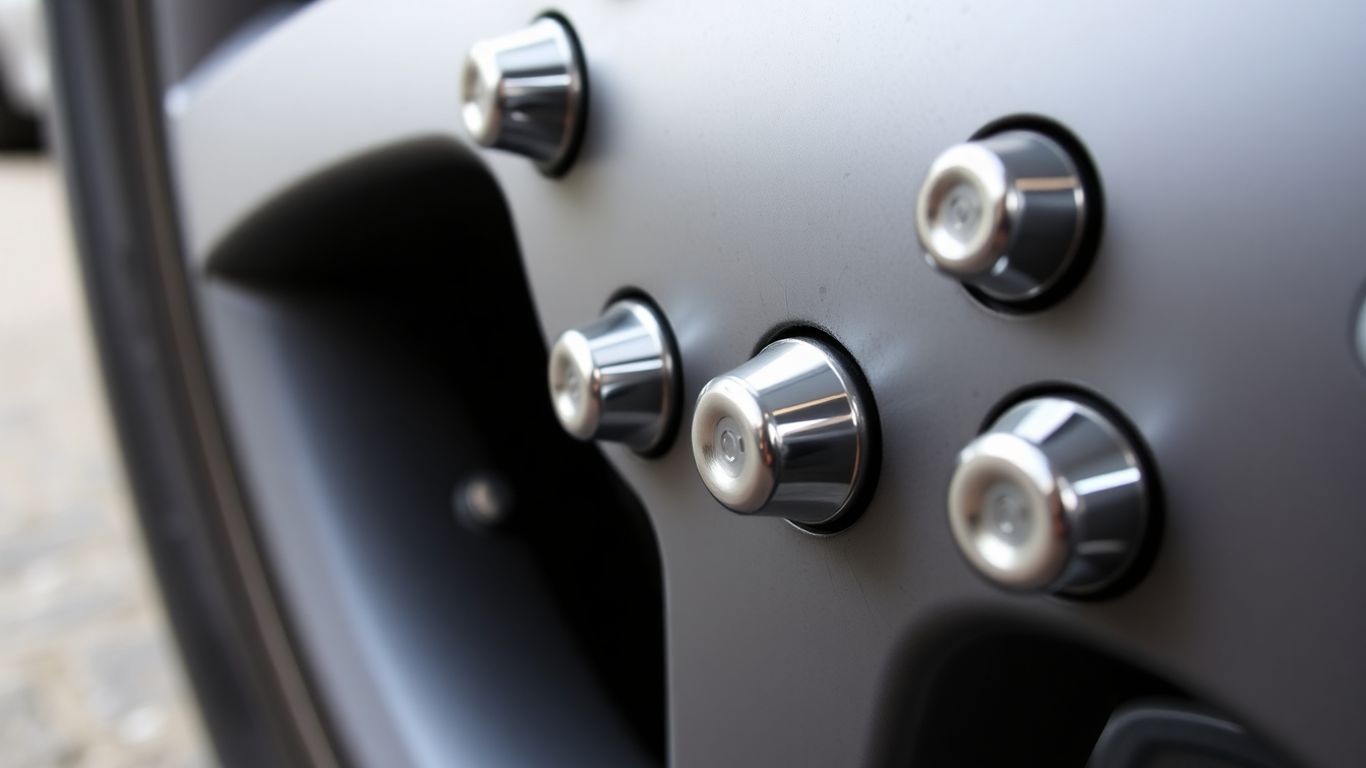
Alright, let's talk about studs. If you've ever wrestled with a stubborn lug bolt while trying to get a wheel back on your car, you know the struggle is real. But when you've got studs, things get a whole lot simpler. Seriously, it's like the universe decided to make your life easier.
Why Studs Are the 'Stud' of the Show
Imagine this: you've got a heavy wheel in one hand, trying to balance it while fumbling with a lug bolt. It's a two-handed job, and then some. With studs, the wheel just hangs there, waiting patiently for you to thread on the nuts. It frees up a hand, and honestly, it just feels more secure. No more awkward balancing acts or praying the bolt doesn't fall out. It's a small change, but it makes a big difference, especially if you're doing this often. Plus, if you're into track days or just like to tinker, studs can make swapping wheels a much quicker affair. Some folks even go for longer studs, kind of like what you see in NASCAR, to make things even faster. It's all about making the process less of a headache.
The Bolt's Lament: A Tale of Stripped Threads
We've all heard the horror stories, right? A stripped lug bolt thread means a whole lot of trouble. You're not just replacing a bolt; you might be looking at a whole new hub or spending hours drilling and tapping. It's a costly mistake, both in time and money. Bolts can be a pain, especially when they decide to give up the ghost. It’s like they have a personal vendetta against your wallet. While bolts might look a bit cleaner with acorn nuts, the potential for a stripped thread is a constant worry. It’s a trade-off, and for many, the convenience and reliability of studs win out.
Nuts About Studs: The Convenience Factor
This is where studs really shine. Think about it: the wheel just slides onto the studs. You can then start threading the nuts on with your fingers. It's so much easier than trying to line up a bolt hole while the wheel is trying to escape your grasp. For anyone who frequently changes wheels, whether it's for track days, tire rotations, or just because you like to keep things fresh, studs are a game-changer. They're designed for this kind of use. You can even get special 'bullet nose' studs that make starting the nuts even easier. It’s all about making the job faster and less frustrating. If you're looking to simplify your wheel maintenance, consider looking into how to install wheel studs.
The Elasticity of Excellence: Why Studs Hold Tighter
Alright, let's talk about why studs are the unsung heroes when it comes to keeping your wheels firmly attached. It all comes down to something called elasticity, which sounds fancy, but it's basically how well something can stretch and snap back without breaking. Think of a rubber band versus a dry twig. You want the rubber band, not the twig, holding your wheels on.
Studs: The Secret to Consistent Clamping Force
When you tighten a lug nut onto a stud, the stud itself stretches a little. This stretch is what creates the clamping force holding your wheel to the hub. Because studs are generally longer and have threads on both ends (one in the hub, one for the nut), they offer a more consistent stretch. This means the clamping force is more predictable and stable. It’s like having a perfectly tuned spring holding everything together.
- More Consistent Stretch: Studs allow for a more uniform elongation under load.
- Reduced Friction Issues: The threads in the hub only see action when the stud is installed or removed, not every time you tighten a nut.
- Better Vibration Resistance: That consistent stretch helps absorb road vibrations, preventing fasteners from loosening up over time.
With bolts, the tightening process can be a bit of a wild card. As you thread a bolt in, more threads engage, and friction increases. This means you might need more torque to achieve the same amount of stretch (clamping force) compared to a stud. It’s like trying to tighten a screw into wood that’s already a bit sticky – you never quite know how tight it really is.
The Twisting Torment of Lug Bolts
Lug bolts have a tougher job. When you tighten them, they're not just stretching; they're also twisting. This twisting motion, especially when you're really cranking down, can put extra stress on the threads in your hub. Over time, or if you overtighten, those threads can get stripped, leading to a whole heap of trouble. It’s like trying to unscrew a jar lid that’s stuck – you’re twisting and pulling, and something’s gotta give eventually.
Why Engine Heads Prefer Studs
Ever wonder why the engines in most cars use studs to hold the cylinder heads on? It’s the same principle! Cylinder heads experience a lot of heat and pressure changes, which can cause expansion and contraction. Studs, with their consistent clamping force and elasticity, can handle these changes much better than bolts. They allow for a little movement without losing their grip, preventing leaks and keeping everything sealed up tight. So, if it’s good enough for your engine’s heart, it’s probably pretty good for your wheels too.
| Fastener Type | Primary Force During Tightening | Consistency of Clamping Force | Vibration Resistance |
|---|---|---|---|
| Stud | Stretch | High | Good |
| Lug Bolt | Stretch & Twist | Moderate | Fair |
Hubcentricity and the Hubris of Bolts
So, we've talked about how studs are generally the cooler, more convenient option for wheel changes. But what about that little detail called hubcentricity? It's basically how the wheel perfectly centers itself on the hub. Think of it like a handshake – a good, solid connection. When wheels are hubcentric, they sit snugly on the hub, and that's a good thing. It means the weight is distributed properly, and you don't get those annoying vibrations that make your teeth rattle.
When Aftermarket Wheels Go Rogue
Now, here's where bolts can get a bit, shall we say, haughty. Many aftermarket wheels, especially the flashy ones, don't have the right size opening to sit perfectly on the hub. They rely on the lug bolts to do all the centering work. This is like asking your pinky finger to hold up a bowling ball. It's not what it's designed for. The bolts end up taking all the stress, and if they're not perfectly aligned, or if the wheel isn't seated right, you can end up with a wobbly mess. Some folks try to fix this with plastic hub rings, but let me tell you, those little guys can melt faster than ice cream on a hot day, especially if you're hitting the track.
The Melting Point of Plastic Hubcentricity
Speaking of melting, those plastic hub rings? Yeah, they're often a temporary fix at best. Imagine this: you're having a blast on a track day, pushing your car to its limits, and suddenly, you feel a shimmy. Turns out, that cheap plastic ring that was supposed to keep your aftermarket wheel centered has decided to call it quits, turning into a gooey mess. It's a real bummer and can put a lot of stress on your lug bolts. This is precisely why a proper hub-centric fit is so important for safety and performance.
The Case for Conical Seats: No Hub Needed?
Some wheels, particularly those with conical or ball-shaped seats for the lug bolts, don't strictly need to be hub-centric. The shape of the seat itself helps to center the wheel as you tighten the bolts. It's a different approach, and for some applications, it works just fine. However, it still puts a lot of faith in those bolts to do the centering job. If you're swapping wheels frequently or dealing with wheels that aren't perfectly manufactured, you might find yourself missing the solid, centered feel that a true hub-centric setup provides. It's a trade-off, and sometimes, the simpler bolt design just doesn't have the same robust feel as a wheel that's properly guided by the hub itself. For a more secure fit, consider looking into hub-centric spacers if your aftermarket wheels lack this feature.
The Manufacturer's Penny-Pinching Predicament
Let's be honest, car manufacturers are in the business of making money. And sometimes, that means making choices that are good for their bottom line, even if they aren't always the most convenient for us, the folks who actually have to deal with the wheels. When it comes to wheel fasteners, the humble lug bolt often wins out for the bean counters.
Why Bolts Save the Bean Counters
It's pretty simple, really. Using lug bolts means one less part to worry about. Instead of needing separate studs that thread into the hub and then nuts that thread onto the studs, you just have bolts that thread directly into the hub. Fewer parts mean less manufacturing, less inventory, and less money spent. Think of it like this: why buy two things when you can get away with just one? It's the same logic that might lead a company to stop painting the inside of an ashtray – it saves a few cents per car, and over millions of vehicles, that adds up. This focus on cost reduction is a major reason why lug bolts became so common on many production cars.
The Hidden Costs of Bolt-On Wheels
While bolts might save the manufacturer a few bucks upfront, they can end up costing us more down the line. Stripped threads are a common complaint. When you're tightening a bolt, the entire fastener is twisting. This twisting action, especially if you've got a bit too much enthusiasm with the impact wrench, can easily damage the threads in the hub. Once those threads are toast, you're looking at a potentially expensive repair, often involving replacing the entire hub assembly. That's a hidden cost that the manufacturer doesn't have to worry about, but you definitely will.
Profit Over Practicality: A Bolt's Burden
Ultimately, the decision often comes down to profit margins versus user-friendliness. Lug bolts are cheaper to implement from a manufacturing standpoint. They offer a cleaner look, too, with no extra threads sticking out past the nut, which is why you often see them paired with acorn-style nuts or wheel covers. But for anyone who's ever wrestled a heavy wheel onto a hub while trying to line up bolt holes and start a bolt, the practicality of studs becomes pretty clear. Studs make mounting wheels a breeze, letting the wheel hang in place while you thread on the nuts. It's a small difference in the grand scheme of car manufacturing, but it's a difference that makes a big impact on the person doing the actual work. It's a classic case of profit taking precedence over a slightly more practical design for the end-user.
Studs: Built for the Long Haul (and Frequent Changes)
Handling Frequent Wheel Removals Like a Champ
If you're the kind of person who swaps wheels more often than socks – maybe you're hitting the track every weekend or just really like to switch up your look – then studs are your best friend. Think about it: with studs, the wheel just hangs there, waiting for its nut. You don't need three hands and a prayer to get the wheel started like you do with bolts. It's way easier to line things up, especially when you're in a hurry. This convenience really adds up when you're doing multiple changes.
Faster Tire Swaps: A Pit Stop Dream
This whole ease-of-use thing really shines when speed is the name of the game. For race teams or anyone who needs to get wheels on and off quickly, studs are a no-brainer. You can get those nuts started way faster than fiddling with bolts. It’s like the difference between a leisurely stroll and a brisk walk – both get you there, but one is just more efficient.
Bullet Nose Studs: The Professional's Choice
Now, for the real pros, there are bullet nose studs. These bad boys are designed so you don't even have to start threading the nut. It just slides right on. This is super handy if you're dealing with hot wheels right off the track. It saves precious seconds and a lot of frustration. It’s a small detail, but when you’re trying to shave time off every single step, these kinds of features make a big difference.
Replaceable Threads: A Stud's Superpower
One of the coolest things about studs is that the threads aren't permanently stuck in your hub. If the threads on a stud or a nut get chewed up (and let's be honest, it happens), you can just replace the stud or the nut. With bolts, if the threads in the hub strip out, you've got a much bigger, more expensive problem on your hands. It’s like having spare parts readily available instead of having to rebuild the whole engine.
The Track Rat's Choice: Studs for the Win
For serious gearheads and track enthusiasts, studs are often the go-to. They handle the stress of frequent wheel changes and the high demands of performance driving better. Plus, the ability to easily replace individual studs or nuts means you can keep your setup in top shape without major headaches. It’s all about reliability and making life easier when you’re focused on the drive, not wrestling with your wheels.
Our wheel studs are made tough to last, even with lots of use and changes. They're built strong to handle whatever you throw at them, ensuring your wheels stay secure. Want to learn more about keeping your vehicle in top shape? Visit our website today for all the details!
So, Bolts vs. Studs: Who Wins?
Look, after all this talk, it’s clear that both bolts and studs have their good points and their bad points. Bolts can look cleaner, and sometimes they’re just what the car came with. But man, when those threads get messed up, it’s a real headache. Studs, on the other hand, can make swapping wheels a bit easier, especially if you’re doing it a lot. But then you’ve got those nuts sticking out, which isn’t everyone’s favorite look. Honestly, it seems like the best choice really depends on what you’re doing with your car and what you prefer. Just try not to strip anything, okay? That’s the real disaster.
Frequently Asked Questions
What's the main difference between wheel studs and wheel bolts?
Wheel bolts screw directly into your car's hub, kind of like a regular screw. Wheel studs are like threaded rods that stick out from the hub, and you tighten a nut onto them to hold the wheel in place. Think of it like a bolt versus a screw and nut.
Why do some people prefer wheel studs over bolts?
Many prefer studs because they make putting a wheel on much easier. The wheel can just hang on the studs while you start the nuts. Also, if a stud gets damaged, it's usually easier to replace than a bolt that's stripped inside the hub.
Are wheel bolts less safe than studs?
It's not that bolts are inherently unsafe, but studs might offer a slight edge. Some say studs provide a more consistent clamping force, and they're often used in high-performance engines because they handle stress well. Plus, if a stud strips, it's typically easier to fix than a damaged bolt in the hub.
Can I use wheel bolts on a car designed for studs, or vice versa?
Generally, no. Your car is designed for one system or the other. Using the wrong type can cause serious problems, like wheels coming loose. If you want to switch, it usually requires significant modifications.
What happens if a wheel bolt strips?
If a wheel bolt strips, it means the threads are damaged and it won't tighten properly. This can be a big problem because it might mean replacing the entire hub assembly, which can be expensive and time-consuming.
Why do some car makers use bolts instead of studs?
Car companies sometimes choose bolts to save a little money on their parts list. It might seem like a small saving, but across millions of cars, it adds up. It also can give a cleaner look since the threads aren't sticking out past the wheel.


