

It's a common problem, right? You're in the middle of a project, you need that specific wrench or socket, and poof! It's vanished. Your hub tools seem to have a mind of their own, disappearing just when you need them most. This can be super frustrating, turning a simple fix into a treasure hunt. But don't worry, there are some simple ways to keep your hub tools from going AWOL and make your workshop a much more productive place.
Key Takeaways
- Use pegboards or wall-mounted shelves to give your hub tools a designated home.
- Magnetic strips are great for keeping frequently used metal hub tools easily accessible.
- Small containers like jars or cans work well for organizing tiny hub tools like screws and bolts.
- Labeling everything, from shelves to containers, makes finding your hub tools a breeze.
- Consider vertical storage options like ceiling shelves or baskets to maximize space for your hub tools.
Stop The Great Hub Tool Escape
Ever feel like your favorite wrench has sprouted legs and walked off? Or maybe your go-to socket set decided to elope with a stray bolt? You're not alone. The workshop can be a black hole for tools, a place where they go to retire from service, never to be seen again. It’s a mystery that plagues DIYers and seasoned pros alike. The sheer frustration of needing a specific tool only to find its designated spot empty is enough to make anyone consider a career in interpretive dance. It’s like they have a secret society, a clandestine meeting place where they plot their disappearances. We’ve all been there, digging through drawers, rummaging through bins, muttering curses under our breath, all while the missing tool is probably chilling under a pile of sawdust or, worse, borrowed indefinitely by a well-meaning (or not-so-well-meaning) neighbor.
The Case Of The Vanishing Wrench
Ah, the wrench. The workhorse of the workshop. You had it five minutes ago, right? You used it to tighten that one bolt, and now... poof! Gone. It’s not like wrenches are small and easily misplaced. They’re substantial. Yet, they have a knack for vanishing into thin air. Did it roll under the workbench? Did it get mixed up with a pile of scrap metal? Or did it, perhaps, get mistaken for a very sturdy, metallic pretzel and accidentally eaten by the dog?
Where Did My Favorite Hub Tool Go?
This is the million-dollar question, isn't it? It’s that one specific tool, the one that just feels right in your hand. Maybe it’s a screwdriver with the perfect grip, or a pair of pliers that never slip. You know you put it somewhere. But where is that somewhere? It’s a maddening quest, a treasure hunt where the treasure is usually found under a pile of forgotten projects or tucked away in a box you haven’t opened since the last garage sale.
The Mystery Of The Missing Socket Set
Socket sets are particularly notorious escape artists. They come in a neat little case, all organized and accounted for. Then, you use one or two sockets, and suddenly, the case looks like a bomb went off in a tiny metal factory. Where do the individual sockets go? Do they have tiny little legs and wander off in search of adventure? It’s a common lament: you have a dozen different sizes, but the one you need is always the one that’s gone AWOL. It’s enough to make you want to just glue them all together.
Fort Knox For Your Hub Tools
Alright, let's talk about making your hub tools so secure, even a squirrel with a master's degree in lock-picking couldn't get their paws on them. We're talking about turning your workshop into a veritable vault, a place where tools go to retire, not to wander off into the abyss. Forget the days of frantically searching for that one specific wrench that seems to have sprouted legs. It's time to get serious about tool security, and thankfully, it doesn't require a team of ex-special forces operatives.
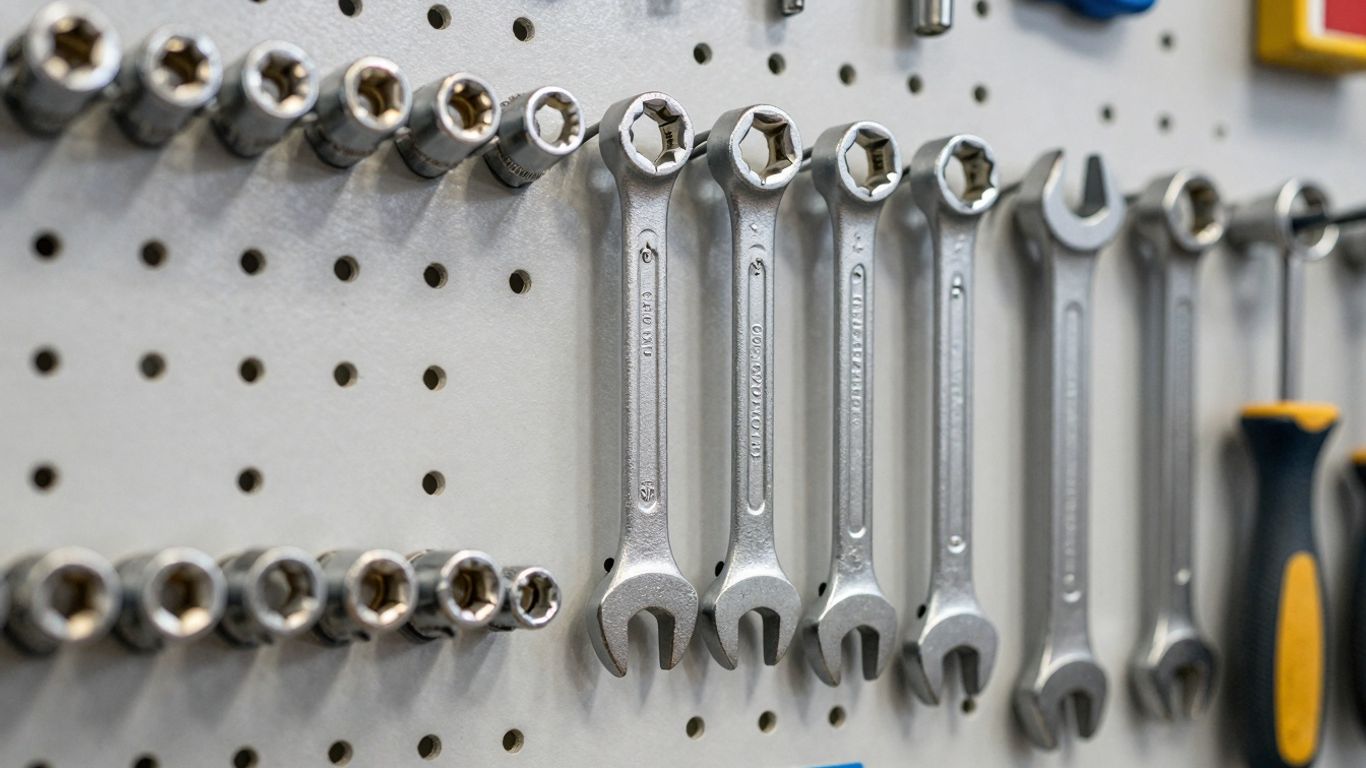
### Pegboards: The Wall Of Fame For Your Hub Tools
Think of a pegboard as the ultimate "wanted" poster for your tools, except instead of criminals, it's showcasing your trusty sidekicks. Mount one of these bad boys up, and suddenly, every tool has its own designated spot. It's like a tiny, organized village for your wrenches and pliers. Plus, it looks pretty darn professional, making you feel like a tool-wielding superhero.
- Easy visibility: You can see everything at a glance. No more digging.
- Customizable: Arrange your tools however your heart desires. Alphabetical? By size? By how much you love them?
- Space saver: Gets tools off your workbench and onto the wall, freeing up valuable real estate.
Magnetic Strips: Where Hub Tools Go To Stick Around
Got metal tools? Then magnetic strips are your new best friend. Stick these bad boys on the wall, above your workbench, or even on the side of a metal cabinet. Suddenly, your screwdrivers, pliers, and even that oddly shaped hex key will cling on for dear life. It's like a sticky situation, but in the best possible way. This is probably the easiest way to keep frequently used tools from disappearing. It’s also great for those moments when you need a tool right now and don't want to rummage.
The Jar-ring Solution For Tiny Hub Tools
What about all those little doodads? Nuts, bolts, washers, those tiny screws that seem to multiply when you're not looking? Jars are your answer. Old pickle jars, jam jars, that weird artisanal salsa jar your aunt gave you – they all work. Label them clearly (more on that later, obviously) and line them up. It’s a surprisingly effective way to keep small parts from staging a rebellion and scattering across your entire workshop floor. It’s a simple, almost quaint solution, but don't underestimate its power to bring order to chaos.
Hub Tool Hideouts And Havens
Shoe Organizers: Not Just For Kicks Anymore
Who knew that the humble shoe organizer, usually tasked with corralling sneakers and flip-flops, could become a secret weapon in the war against missing hub tools? These fabric wonders, with their myriad of little pockets, are surprisingly adept at holding all sorts of bits and bobs. Think screwdrivers, pliers, Allen wrenches, and even those tiny, easily-lost washers. Just hang one on the wall or the side of a cabinet, and suddenly you've got a dedicated, visible home for your smaller, more elusive tools. It's like a treasure chest, but instead of gold, you find your favorite socket.
Kitchen Utensil Holders: Beyond The Spatula
Your kitchen might be overflowing with gadgets, but don't overlook its potential for workshop organization. Those sturdy ceramic or metal utensil crocks that usually hold whisks and spatulas? They're perfect for standing up longer tools like pry bars, files, or even a collection of those oddly shaped wrenches that never seem to fit anywhere. It keeps them upright, visible, and less likely to roll off into the abyss. Plus, it adds a touch of unexpected flair to your workspace. Who needs a fancy tool stand when you've got a repurposed pasta server holder?
Rolling Carts: The Hub Tool Getaway Vehicle
Sometimes, your hub tools don't just disappear; they go on an adventure. They get moved from the workbench to the project site, then maybe to the car, and poof! Gone. A rolling tool cart is your best bet for keeping them contained during these excursions. These mobile command centers can hold a surprising amount of gear, and the best part is, you can just wheel the whole lot wherever you need it. No more leaving half your toolbox scattered across the driveway. It's like giving your tools their own personal chauffeur service, ensuring they arrive at their destination and, more importantly, stay there. For a more systematic approach, consider using Systainers for modular tool storage within your cart.
Label Everything, Or Else!
Okay, let's talk about the real MVP of workshop organization: labels. Seriously, if you've ever spent ten minutes hunting for that one specific socket, you know the pain. It's like your tools have a secret life where they play hide-and-seek. Labeling is your secret weapon against this tool-based tomfoolery.
Think of it this way: you wouldn't walk into a library and expect to find a book just by its cover, right? You look for the title, the author, maybe the genre. Your workshop should be no different. A little bit of labeling goes a long way in preventing those "Where did my favorite hub tool go?" moments.
The Power Of The Label Maker
This is where you get to feel fancy. A label maker isn't just for organizing your spice rack (though it's great for that too). It's your personal tool-naming service. You can get specific. Instead of just "Wrench," you can have "10mm Wrench - Metric" or "Stubby Wrench - For Tight Spots." It sounds like overkill, but trust me, when you're elbow-deep in an engine, you'll thank yourself.
Here's a quick rundown of why a label maker is your new best friend:
- Clarity: No more squinting at faded marker or trying to decipher your own handwriting from three years ago.
- Consistency: All your labels look neat and tidy, making your whole workshop feel more put-together.
- Speed: Grab the right tool the first time, every time. Less frustration, more doing.
When In Doubt, Label It Out
Got a drawer full of random bits and bobs? A shelf overflowing with miscellaneous hardware? Label it. Seriously, if you pause for even a second to think about what's inside, it needs a label. This applies to everything from toolboxes and drawers to individual bins and even shelves.
Consider this a gentle nudge, or maybe a not-so-gentle shove, towards labeling. It's the simplest way to bring order to chaos. You might even find yourself enjoying the process, turning your workshop into a place where everything has its own designated spot. It's like a spa day for your tools, but instead of cucumber water, they get a nice, clear label.
Don't Make Your Hub Tools Play Hide-And-Seek
Let's be honest, tools disappearing is a tale as old as time. It's the workshop equivalent of socks vanishing in the laundry. But unlike the sock mystery, this one has a solution. And that solution is labels. They're not just stickers; they're peace of mind. They're the silent guardians of your sanity, preventing those frantic searches that eat up precious workshop time. So, grab that label maker, embrace the power of clear identification, and tell those disappearing tools to find a new hobby. Your future self, the one who needs that specific wrench right now, will thank you.
Vertical Victory For Hub Tools
Ceiling Storage: Reaching New Heights
Ever feel like your workshop floor is staging a hostile takeover by rogue tools? It's time to look up! Ceiling storage is your secret weapon against tool sprawl. Think of it as giving your tools their own little sky-condos. You can install simple shelves or even specialized racks that hang from the ceiling joists. This is especially great for those bulky, less-used items that just take up precious workbench real estate. Plus, it adds a certain 'industrial chic' vibe, right? Just make sure whatever you hang is securely fastened – nobody wants a surprise socket set shower.
Shelving Solutions: Don't Let Hub Tools Fall Through The Cracks
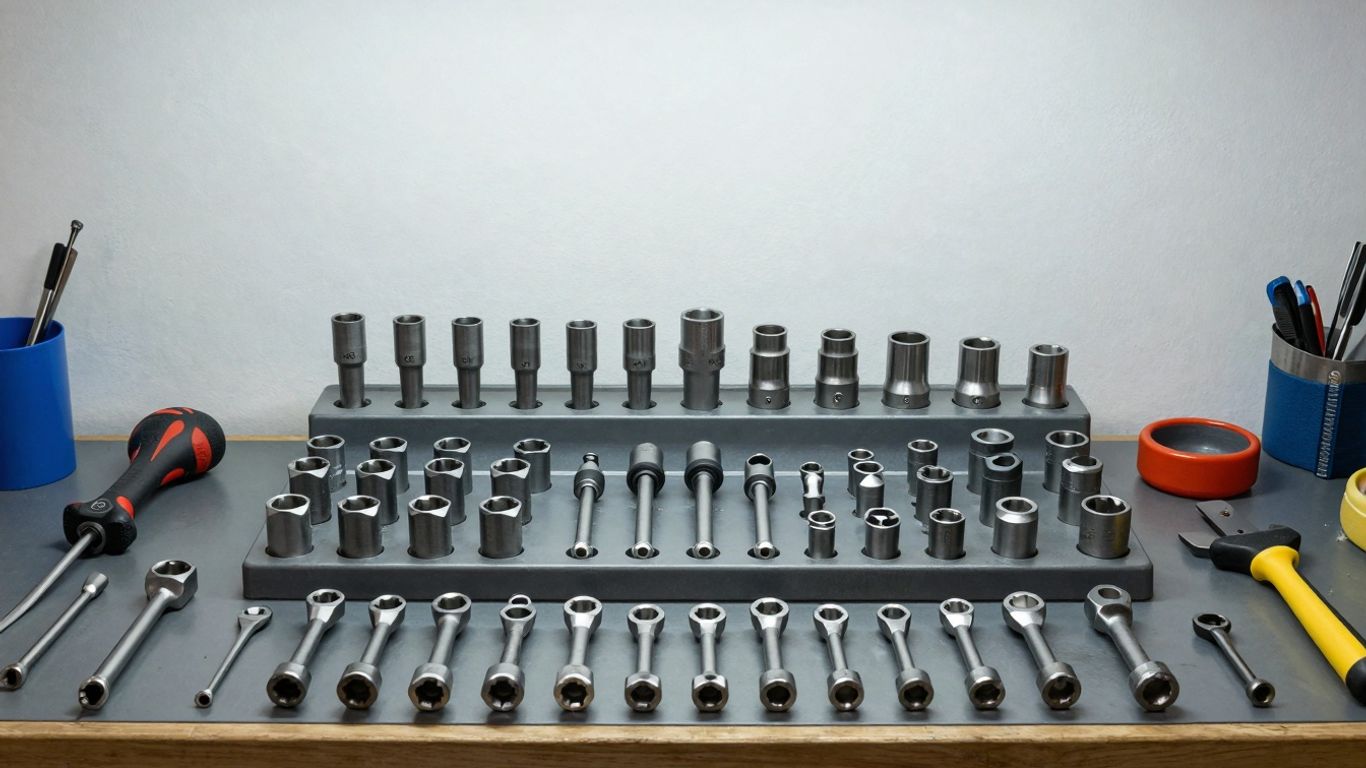
Shelving is the old reliable of organization, but let's get creative. Instead of just one big, daunting shelf, break it down. Think tiered shelving units for maximum space utilization. You can even use shallow shelves for frequently accessed items so you don't have to dig. For those smaller bits and bobs, consider adding small bins or containers onto the shelves. This stops them from rolling off and disappearing into the abyss. It’s like giving each tool its own little designated parking spot.
Here’s a quick rundown of shelving ideas:
- Adjustable Shelving: Perfect for when your tool collection evolves (or multiplies).
- Floating Shelves: Sleek and modern, great for lighter items or decorative tool displays.
- Corner Shelves: Utilizes often-wasted space.
- Pegboard Shelves: Combine the best of both worlds – hanging and shelf space.
Baskets: The Hub Tool Hammock
Baskets are the unsung heroes of tool storage. They’re flexible, portable, and can corral a surprising amount of gear. Think about using them for tool kits that get moved around a lot, or for grouping similar items. A sturdy wire basket can hold a surprising amount of weight, and clear plastic ones let you see what’s inside at a glance. You can hang them, stack them, or just place them on shelves. They’re like little tool hammocks, keeping everything cozy and contained. Just remember to choose baskets that are durable enough for your tools – nobody wants a basket failure during a critical moment.
The Whiteboard Way To Hub Tool Wisdom
Project Planning: Keep Your Hub Tools On Task
Ever start a project with a grand vision, only to have your tools scatter like startled pigeons? A whiteboard is your new best friend for wrangling those wayward wrenches and elusive end mills. Before you even pick up a hammer, sketch out your plan. What tools do you need? Where will they live during the project? A little pre-planning on the board can save you a whole lot of searching later. Think of it as a treasure map, but instead of gold, you're hunting for that specific socket you know you had yesterday.
Task Tracking: Where Are My Hub Tools Supposed To Be?
Let's be honest, sometimes our tools have a mind of their own. They wander off, get borrowed indefinitely, or simply decide to take a vacation in that mysterious corner of the garage. A whiteboard can act as your workshop's command center. Create a simple chart listing your main tools and their current 'station'.
| Tool Name | Location |
|---|---|
| Torque Wrench | Bench Vise |
| Pliers Set | Red Tool Chest |
| Allen Key Set | Near the Lathe |
| Impact Driver | On the Cart |
| Small Screwdrivers | Drawer 3 |
This might seem a bit much for a few screwdrivers, but for those specialty tools that vanish into the ether, it's a lifesaver. It also helps when you're trying to remember who borrowed what. "Oh, Dave, you took the 10mm socket? The whiteboard says it's supposed to be on the drill press. Weird."
Brainstorming Hub Tool Bonanzas
Sometimes, the best way to keep track of your tools is to have a clear idea of what you actually need. Maybe you're constantly searching for a specific size of drill bit, or you're tired of using pliers when you really need a proper crimper. Use your whiteboard to jot down these tool 'wish list' items as they come to you. Over time, you'll build a fantastic list of tools to acquire or organize better. It's like a wish list for your workshop, but way more practical. Plus, seeing the list grow can be surprisingly motivating. Who knows, you might even discover you have duplicates of tools you rarely use – another win for organization!
Want to keep your wheels looking sharp and running smoothly? Our special tool makes cleaning wheel studs and hubs a breeze. It's designed to get the job done right, so you can spend less time tinkering and more time enjoying your ride. Visit our website today to learn more about how our tools can help you!
So Long, Lost Tools!
Alright, so there you have it. A bunch of ways to stop your trusty tools from playing hide-and-seek. Whether you’re sticking things on pegboards, labeling jars like a mad scientist, or just making sure your favorite wrench has its own VIP spot on a magnetic strip, you’re basically a workshop ninja now. No more digging through piles of who-knows-what for that one specific screw. Go forth and conquer your projects, and may your tools always be exactly where you left them... or at least, where they're supposed to be. Happy building!
Frequently Asked Questions
Why do my tools always disappear in the workshop?
It's super common for tools to go missing! Things get moved around when you're busy, or maybe a buddy borrowed it and forgot to return it. Sometimes, they just roll under something. Having a system helps stop this.
What's the easiest way to keep track of small parts like screws?
Using old jars or cans is a great trick! You can see what's inside, and it keeps all those tiny bits from getting lost. Labeling the jars makes it even faster to find what you need.
How can I make sure I always know where my most-used tools are?
Try putting up magnetic strips or hooks on the wall. Tools like wrenches or screwdrivers will stick right to them. This way, they're always in sight and easy to grab when you need them.
Are pegboards really helpful for organizing tools?
Absolutely! Pegboards are awesome because you can hang almost anything on them. You can see all your tools at a glance, and it keeps your workbench clear. Plus, it looks pretty cool!
What if I have a lot of tools and not much space?
Think vertical! You can add shelves higher up or even hang storage from the ceiling. Rolling carts are also fantastic because you can move your tools around easily and tuck them away when you're done.
Is labeling really that important for workshop tools?
Yes, it's a big help! Labeling shelves, drawers, and even tool containers means you won't waste time digging around. It makes finding things quick and easy, so you can get back to your project faster.


